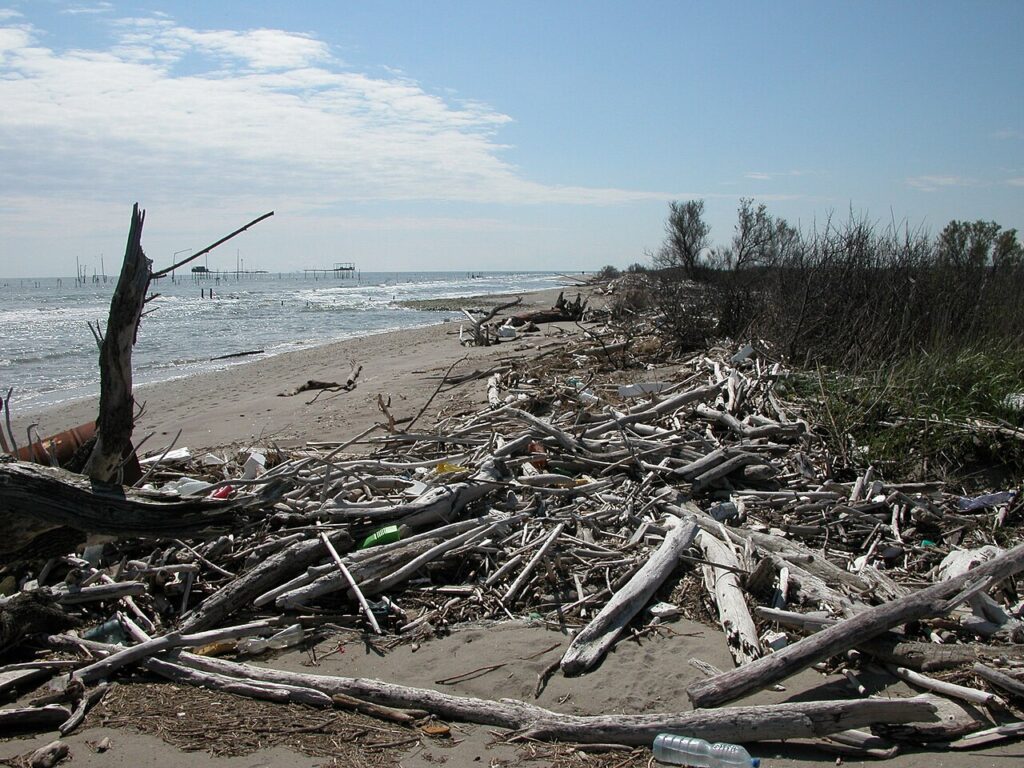
So ungepützelt sieht ein natürlicher Strand aus; spiaggia libera nördlich von Ravenna (Foto: Carlo Pelagalli)
Das grossenteils von Meer umgebene Italien hat 1700 km Strände, die alle dem Staat gehören. Nach dem Gesetz müsste die Hälfte davon frei zugänglich sein; tatsächlich sind in etlichen Regionen nur noch etwa ein 30 Prozent aller Strände «spiagge libere», in einigen sogar nur 10 Prozent, meist abgelegene und weniger beliebte Strandabschnitte. Was einst als Rente für Kriegsversehrte gedacht war, hat sich längst in eine paramafiöse Krake verwandelt, trotz jahrelangem Druck der EU auf Italien, die Strandkonzessionen periodisch öffentlich auszuschreiben.
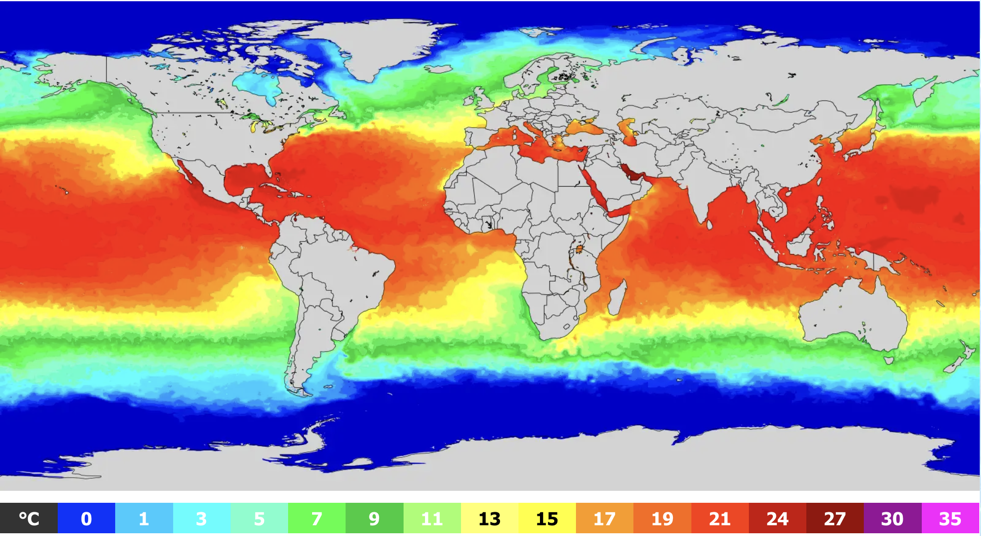
Meerestemperaturen am 30.08.2026, Farbskala in Grad Celsius (Grafik: seatemperature.org)
Im Sommer 2026 spiegelte die Umwelt mehr als je das Fehlverhalten der Menschheit. Der «Klimawandel», der richtiger als Erderwärmung bezeichnet werden muss (das Klima verändert sich ja weitgehend nicht aus eigenem Antrieb) wird meist als Grund genannt. Weniger Beachtung findet die falsche oder fehlende Bewirtschaftung unseres Lebensraums.
Human civilisation has exploited the planet to such an extent that life is under threat — including our own survival. There is still a way out of this catastrophe if we recognise what has gone wrong and act accordingly.
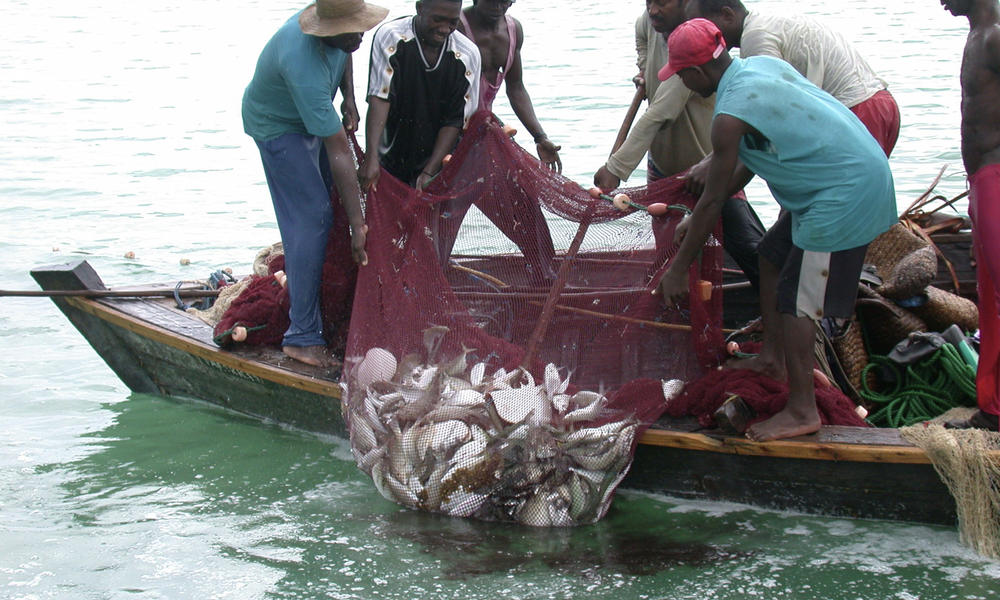
Humanity uses 1.3 billion acres for intensive agriculture, whilst 2 billion hectares have already been abandoned due to overuse and depletion. The planet’s plant biomass has decreased by 50%. To date, 73% of all species are in decline. 10,000 years ago, 95% of animal biomass consisted of wild animals, whereas today 95% of animal biomass consists of humans and their domesticated species, i.e. mainly farm animals. The biomass of marine fish has decreased by 60 to 80%, mainly over the last 100 years. The planet has lost around 50% of its productive capacity.
However, if we let cover large parts of land with trees and shrubs, we could significantly boost photosynthesis, create more life, reduce water consumption for plant care, and gain more shade, greater biodiversity, and a landscape that protects us from the extremes to which we are exposed as a result of man-made global warming.
Summary of a speech by Brett KenCairn [1] Founding Director of the Center of Regenerative Solutions
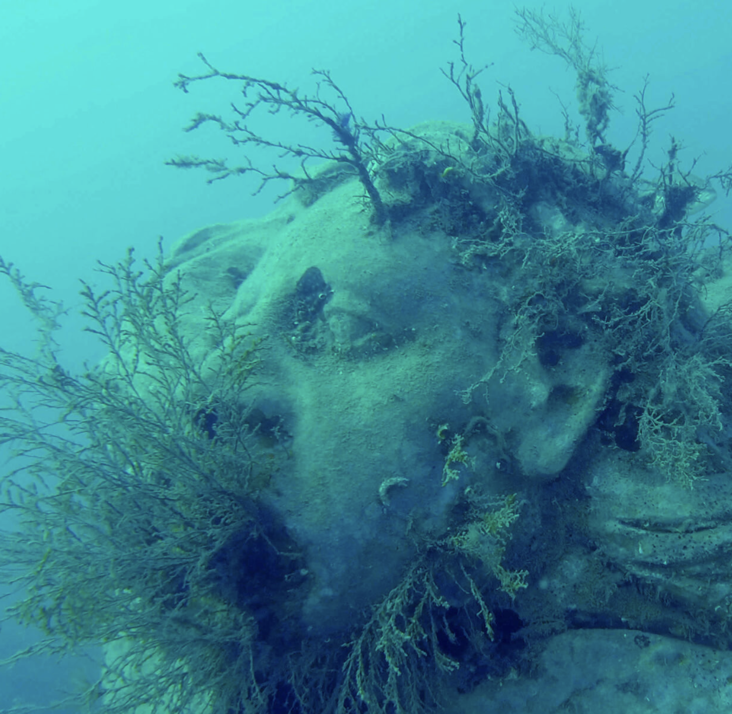
The overgrown head of a marble sculpture, underwater museum in the Thyrranean Sea (screenshot from www.casadeipesci.it)
Dragging huge nets on heavy runners or rollers across the seadbed is the second most destructive fishing method after dynamite fishing. For years, many organisations have been calling for a ban on bottom trawling, so far to no avail. Local communities face the challenge of defending their fishing grounds on their own. Concrete blocks and art sculptures are their weapons.
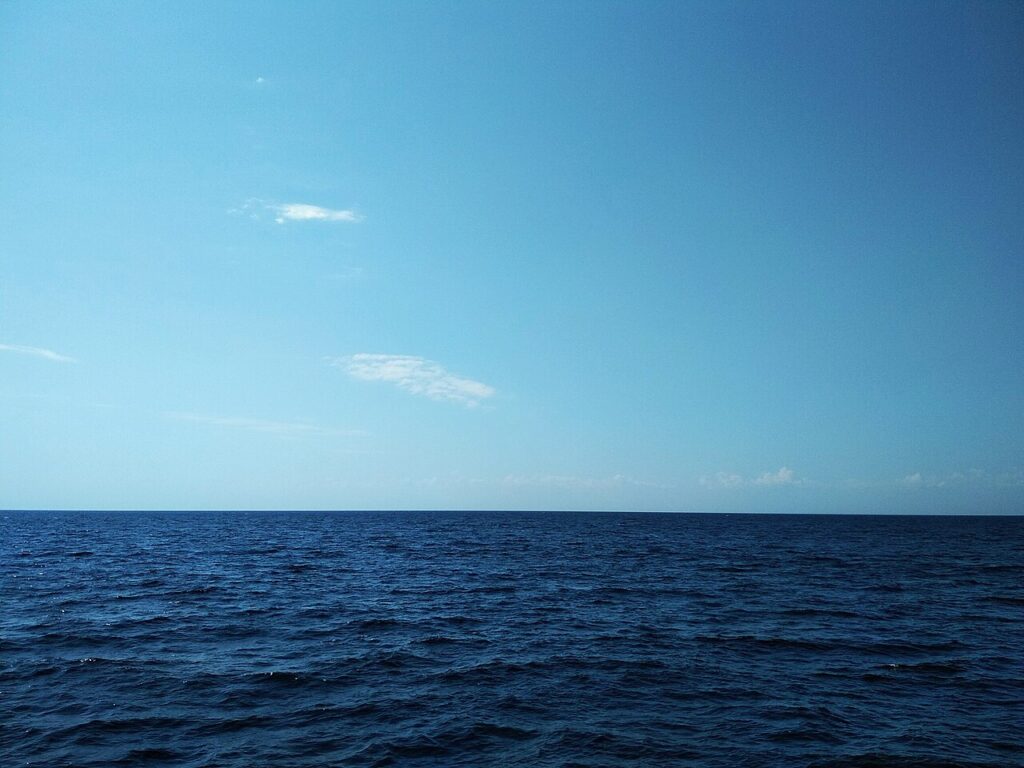
This is not a Rothko, but a view of the High Sea (photo: Lesless / Wikimedia Commons)
Yesterday, on 17 January 2026, after years of difficult negotiations, a treaty to protect the high seas came into force. This is a historic moment for the marine environment and also for the international community in times of war and the formation of new blocs. What is the story behind it and which are the problems (not yet) solved?
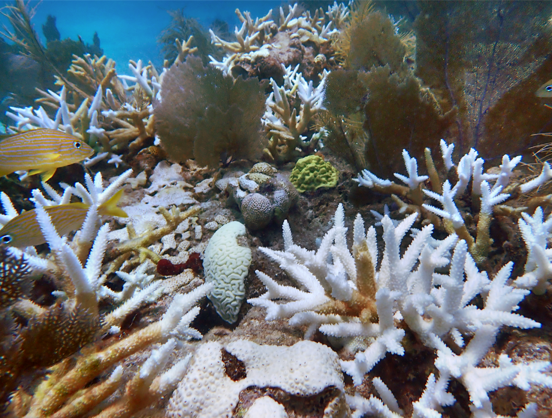
In an article worth reading on AEON, Iris Braverman comes to a simple but not so easy to implement conclusion: regulatory authorities, scientists, and local communities must work together to make coral reefs fit for rising sea temperatures.
Producers, sellers, and consumers of slaughtered animals try to resolve the cognitive dissonance between the desire to be a good person and the fact of taking part in something cruel. This gives rise to terms such as ‘humane slaughter’ or ‘animal welfare in fishing’ — both of which are simply impossible if we think about it carefully. But there is still much we can do.
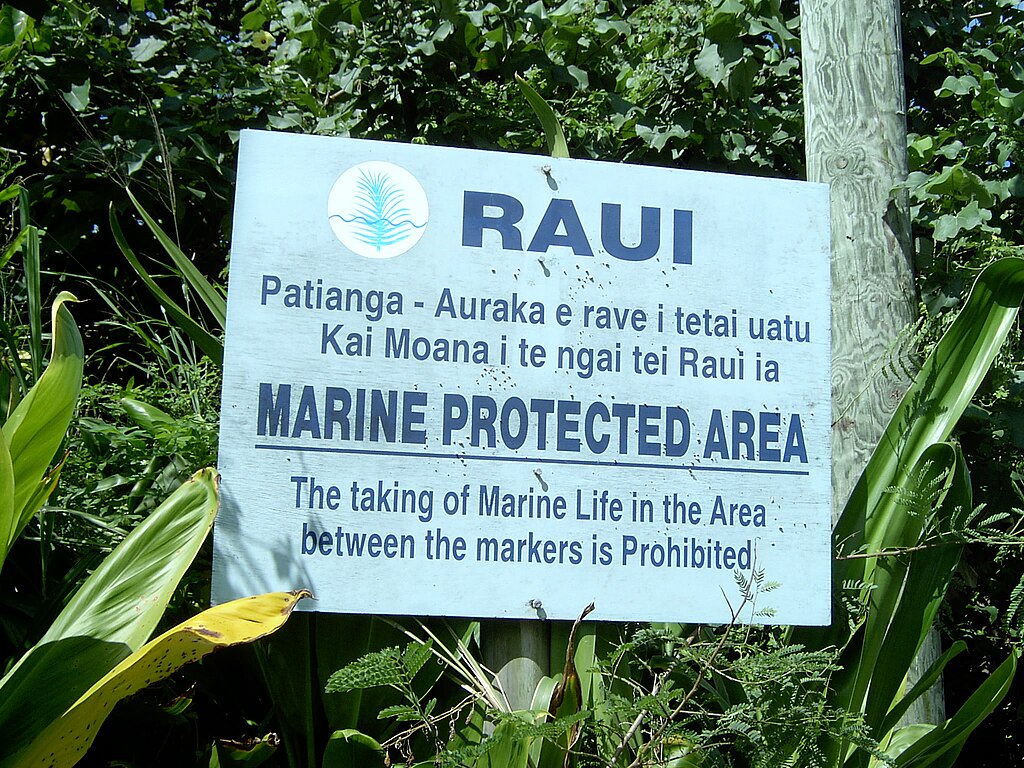
Marine scientists and environmentalists are calling for at least 30 percent of the oceans to be designated as Marine Protected Areas (MPA) to help fish stocks and marine life in general to recover and thrive. However, the fishing industry often opposes MPA projects. And yet, 30 percent is not even enough!