How big does a step have to be so one can consider it an improvement in animal welfare, and how small can it be and still be considered as such? It’s an old debate, yet there are moments when it needs to be reignited.
(mehr …)Schlagwort: Senegal
-
Suche:
Übersetzen · Translate
Alle Themen · All topics:
Stichwortliste · Keyword list
Abfall advertisement animal suffering Animal welfare artisanal fisheries Betriebsschliessung Betäubung Blauhai bottom trawl bycatch Canada Carefish/catch Catch Welfare Plattform certification Chile China Danio rerio Don Staniford E. O. Wilson Elysia Erderwärmung Ethologie EU EU-Kommission evolution fair-fish fair-fish database Fischfutter Fischmehl Fischwohl Fischzucht Fischzucht Balterswil FishEthoGroup fish meal fish oil Fish stocks Fish welfare Greenpeace greenwashing Grossbritannien Half Earth Project human-animal interaction Humane Schlachtung humane slaughter Humpback whale ICSF Intelligenz investment Kantonstierarzt Kognition labels Lachs Landwirtschaft Litopenaeus vannamei marine life Marine Protected Area Marine Protected Areas (MPA) Massentötung microalgae MPA Newfoundland Norway Norwegen Notfallplan Oktopoden Omega-3 Pacific whiteleg shrimp phytoplankton piano play Pole and line Quecksilber Ray Hilborn Reducing animal suffering respect Salmon Sandtigerhai Schweiz Scotland Senegal shrimps small-scale fisheries small scale fisheries spatial needs Stellvertretung stocking density Swiss Shrimp Thunfisch Thurgau Tierleid Tierschutz Tintenfische training trawler Umfrage Vortrag Westafrika whales Whale shark Überfischung
Artikelarchiv · Articles by date
- Januar 2026
- Dezember 2025
- November 2025
- Oktober 2025
- September 2025
- August 2025
- Juli 2025
- Juni 2025
- März 2025
- Februar 2025
- Januar 2025
- Dezember 2024
- Juli 2024
- April 2024
- März 2024
- Dezember 2023
- November 2023
- Oktober 2023
- September 2023
- August 2023
- Juli 2023
- Januar 2023
- Oktober 2022
- September 2021
- Dezember 2019
- Dezember 2018
- August 2017
- November 2016
- Dezember 2013
- Dezember 2011
-
Kleinfischerei gewinnt an Beachtung

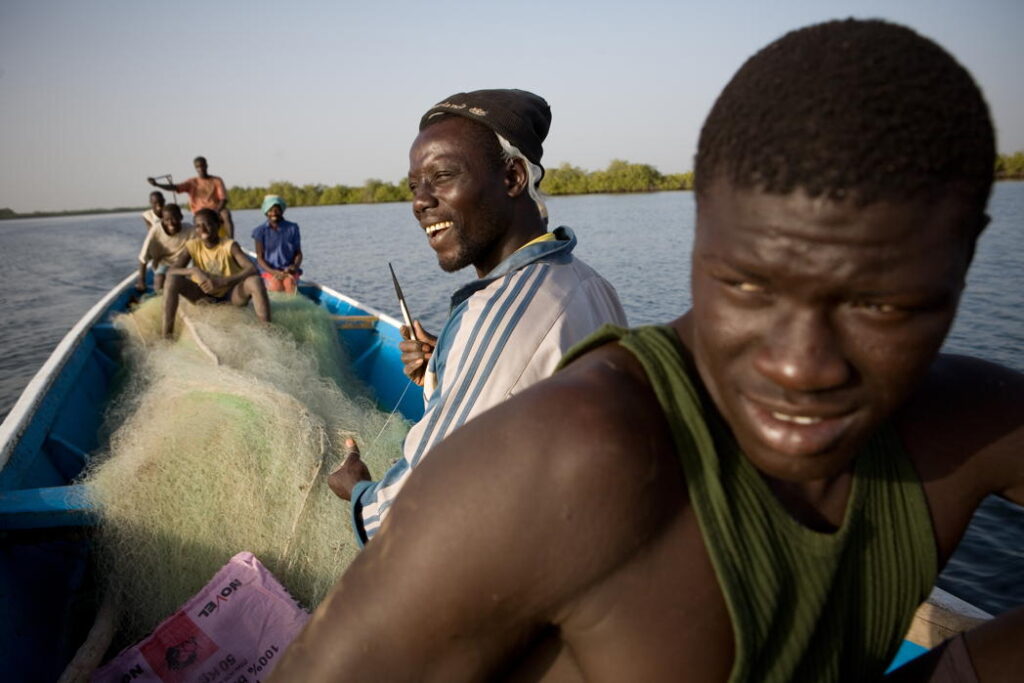
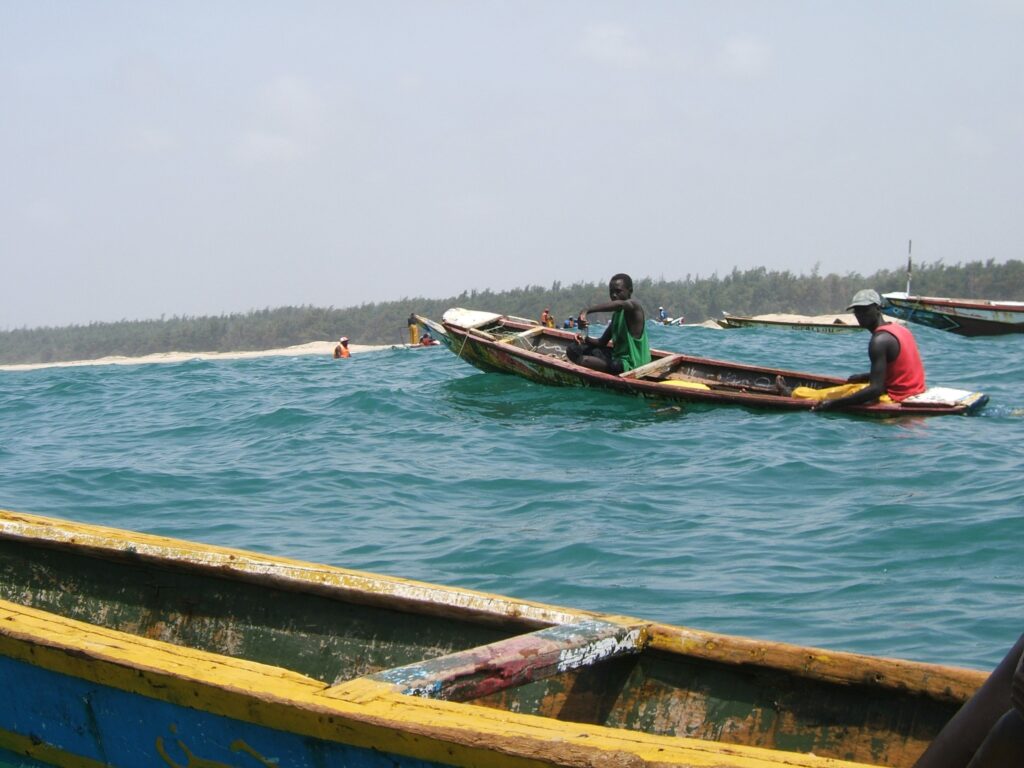
Artisanale Fischer im Saloum, Senegal (Foto: Michael Hauri) Gut die Hälfte des Fischs, der weltweit gegessen wird, stammt nicht von industriellen Fangschiffen, sondern aus der kleinen Fischerei. Sie könnte ohne die industrielle Konkurrenz sogar einen noch grösseren Anteil liefern.
(mehr …)Suche:
Übersetzen · Translate
Alle Themen · All topics:
Stichwortliste · Keyword list
Abfall advertisement animal suffering Animal welfare artisanal fisheries Betriebsschliessung Betäubung Blauhai bottom trawl bycatch Canada Carefish/catch Catch Welfare Plattform certification Chile China Danio rerio Don Staniford E. O. Wilson Elysia Erderwärmung Ethologie EU EU-Kommission evolution fair-fish fair-fish database Fischfutter Fischmehl Fischwohl Fischzucht Fischzucht Balterswil FishEthoGroup fish meal fish oil Fish stocks Fish welfare Greenpeace greenwashing Grossbritannien Half Earth Project human-animal interaction Humane Schlachtung humane slaughter Humpback whale ICSF Intelligenz investment Kantonstierarzt Kognition labels Lachs Landwirtschaft Litopenaeus vannamei marine life Marine Protected Area Marine Protected Areas (MPA) Massentötung microalgae MPA Newfoundland Norway Norwegen Notfallplan Oktopoden Omega-3 Pacific whiteleg shrimp phytoplankton piano play Pole and line Quecksilber Ray Hilborn Reducing animal suffering respect Salmon Sandtigerhai Schweiz Scotland Senegal shrimps small-scale fisheries small scale fisheries spatial needs Stellvertretung stocking density Swiss Shrimp Thunfisch Thurgau Tierleid Tierschutz Tintenfische training trawler Umfrage Vortrag Westafrika whales Whale shark Überfischung
Artikelarchiv · Articles by date
- Januar 2026
- Dezember 2025
- November 2025
- Oktober 2025
- September 2025
- August 2025
- Juli 2025
- Juni 2025
- März 2025
- Februar 2025
- Januar 2025
- Dezember 2024
- Juli 2024
- April 2024
- März 2024
- Dezember 2023
- November 2023
- Oktober 2023
- September 2023
- August 2023
- Juli 2023
- Januar 2023
- Oktober 2022
- September 2021
- Dezember 2019
- Dezember 2018
- August 2017
- November 2016
- Dezember 2013
- Dezember 2011
-
Everyday madness from the fish’s perspective

The Mackerel stock in the north-east Atlantic have been so severely depleted that ICES advices a 70% cut in fishing quota [1]— it would be a miracle if EU fisheries ministers were to follow this advice… A study led by fisheries biologist Rainer Froese (University of Kiel) accuses the EU of ‚gross mismanagement‘ in the protection of fish stocks, particularly cod and herring. According to Froese, ‚whatever can be done wrong is done wrong‘ [2]. Urgent political action is also needed to prevent the collapse of British fish stocks, the NGO Oceana warns [3].
(mehr …)Suche:
Übersetzen · Translate
Alle Themen · All topics:
Stichwortliste · Keyword list
Abfall advertisement animal suffering Animal welfare artisanal fisheries Betriebsschliessung Betäubung Blauhai bottom trawl bycatch Canada Carefish/catch Catch Welfare Plattform certification Chile China Danio rerio Don Staniford E. O. Wilson Elysia Erderwärmung Ethologie EU EU-Kommission evolution fair-fish fair-fish database Fischfutter Fischmehl Fischwohl Fischzucht Fischzucht Balterswil FishEthoGroup fish meal fish oil Fish stocks Fish welfare Greenpeace greenwashing Grossbritannien Half Earth Project human-animal interaction Humane Schlachtung humane slaughter Humpback whale ICSF Intelligenz investment Kantonstierarzt Kognition labels Lachs Landwirtschaft Litopenaeus vannamei marine life Marine Protected Area Marine Protected Areas (MPA) Massentötung microalgae MPA Newfoundland Norway Norwegen Notfallplan Oktopoden Omega-3 Pacific whiteleg shrimp phytoplankton piano play Pole and line Quecksilber Ray Hilborn Reducing animal suffering respect Salmon Sandtigerhai Schweiz Scotland Senegal shrimps small-scale fisheries small scale fisheries spatial needs Stellvertretung stocking density Swiss Shrimp Thunfisch Thurgau Tierleid Tierschutz Tintenfische training trawler Umfrage Vortrag Westafrika whales Whale shark Überfischung
Artikelarchiv · Articles by date
- Januar 2026
- Dezember 2025
- November 2025
- Oktober 2025
- September 2025
- August 2025
- Juli 2025
- Juni 2025
- März 2025
- Februar 2025
- Januar 2025
- Dezember 2024
- Juli 2024
- April 2024
- März 2024
- Dezember 2023
- November 2023
- Oktober 2023
- September 2023
- August 2023
- Juli 2023
- Januar 2023
- Oktober 2022
- September 2021
- Dezember 2019
- Dezember 2018
- August 2017
- November 2016
- Dezember 2013
- Dezember 2011
-
Small fisher(wo)men make a big difference

Handliners on the coast of Kayar, Senegal (photo: Billo Studer) Small-scale artisanal fisheries are largely underestimated in terms of their catch volumes and contribution to the local economy — and at the same time they are adversely affected by industrial fishing, offshore aquaculture, tourism and other uses of coastal waters. Assessing the value and importance of small-scale fisheries is a crucial step towards countering the threats they face. This also benefits fishes, because if fisheries can minimise the suffering of the animals concerned, small-scale fisheries are more likely to succeed than their industrial competitors, which use heavy fishing gear.
(mehr …)Suche:
Übersetzen · Translate
Alle Themen · All topics:
Stichwortliste · Keyword list
Abfall advertisement animal suffering Animal welfare artisanal fisheries Betriebsschliessung Betäubung Blauhai bottom trawl bycatch Canada Carefish/catch Catch Welfare Plattform certification Chile China Danio rerio Don Staniford E. O. Wilson Elysia Erderwärmung Ethologie EU EU-Kommission evolution fair-fish fair-fish database Fischfutter Fischmehl Fischwohl Fischzucht Fischzucht Balterswil FishEthoGroup fish meal fish oil Fish stocks Fish welfare Greenpeace greenwashing Grossbritannien Half Earth Project human-animal interaction Humane Schlachtung humane slaughter Humpback whale ICSF Intelligenz investment Kantonstierarzt Kognition labels Lachs Landwirtschaft Litopenaeus vannamei marine life Marine Protected Area Marine Protected Areas (MPA) Massentötung microalgae MPA Newfoundland Norway Norwegen Notfallplan Oktopoden Omega-3 Pacific whiteleg shrimp phytoplankton piano play Pole and line Quecksilber Ray Hilborn Reducing animal suffering respect Salmon Sandtigerhai Schweiz Scotland Senegal shrimps small-scale fisheries small scale fisheries spatial needs Stellvertretung stocking density Swiss Shrimp Thunfisch Thurgau Tierleid Tierschutz Tintenfische training trawler Umfrage Vortrag Westafrika whales Whale shark Überfischung
Artikelarchiv · Articles by date
- Januar 2026
- Dezember 2025
- November 2025
- Oktober 2025
- September 2025
- August 2025
- Juli 2025
- Juni 2025
- März 2025
- Februar 2025
- Januar 2025
- Dezember 2024
- Juli 2024
- April 2024
- März 2024
- Dezember 2023
- November 2023
- Oktober 2023
- September 2023
- August 2023
- Juli 2023
- Januar 2023
- Oktober 2022
- September 2021
- Dezember 2019
- Dezember 2018
- August 2017
- November 2016
- Dezember 2013
- Dezember 2011
-
Well equipped local services are key to combatting illegal fishing activities
The government of Bangladesh will introduce new regulations for the size and fabric of fishing nets to prevent unwanted bycatch of all kinds of fish due to indiscriminate mesh size. What are the chances of enforcement?
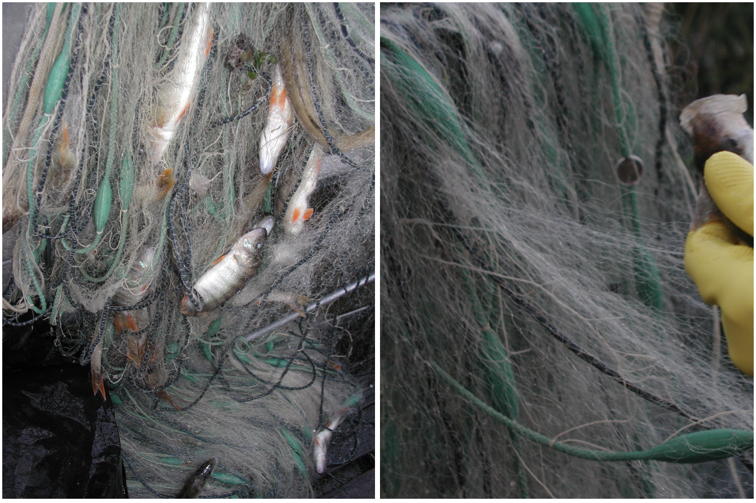
Together with experts and local net manufacturers, the nets will be developed for the respective target species [1]. Back in March 2024, the Bangladeshi Fisheries Minister announced the government’s intention to restrict the production of illegal fishing nets, including monofilament nets [2], which are mainly used for gillnets and which, once lost in the water, become the most dangerous type of ghost nets because fish easily get caught in the finespun but strong synthetic fabric, which does not decompose for many years.
Bangladesh could learn from Senegal’s mistakes
As in many structurally weak countries with widespread poverty, particularly in informal sectors such as artisanal fishing, the main problem is the enforcement of rules against the short-term interests of some stakeholders. Senegal is an illustrative example of this problem. The West African republic, considered one of the best governed countries on the continent, banned monofilament as early as 1987. Despite this law, which has since been confirmed twice, the use of monofilament nets is still widespread in artisanal fisheries [2], as I observed during the fair-fish project I led in Senegal almost 20 years ago. Fisheries officers are occasionally sent out to inspect fishing gear, but too often reportedly look the other way when they come across monofilament nets; there are even officers who are not sure whether monofilament has really been banned [3]. Even the director of Senegal’s marine fisheries authority recently tried to downplay the threat posed by abandoned gillnets to already depleted fish stocks: ‘We still have fish,’ he said, in contrast to the serious scientific evidence.
My own experiences with the local fisheries services were disappointing almost everywhere in Senegal. The officers in charge did not document the daily catches, so when they were asked for data by their superiors, if at all, they made it up, months or even years after the fact, giving the daily weighings to the nearest decimal point. They may not have neglected their work out of sheer laziness, but also under pressure from some fishermen or fishmongers.
Governments should invest in brave officers
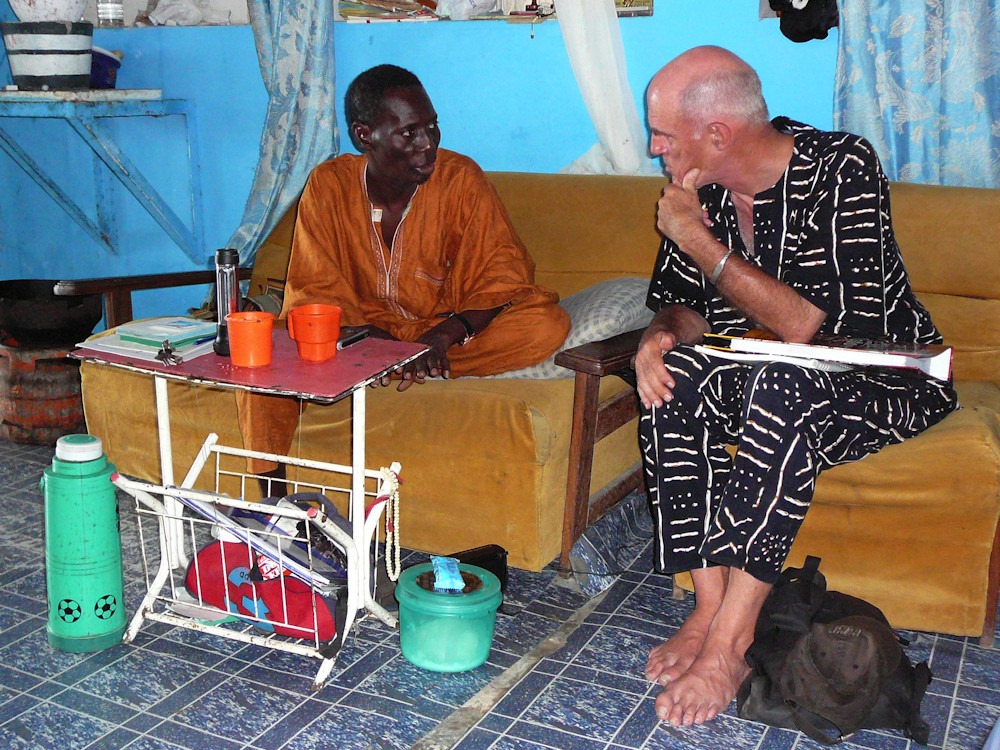
However, I had the opportunity to befriend Eric, the then head of the fisheries service of one of the department in the Saloum, a remote region in the south of the country, from where all seconded civil servants, including doctors and teachers, tried to get a job in the capital Dakar as quickly as possible. Not so Eric. After being in charge of fisheries services at various points along the coast and having to leave again and again because he was performing his duties strictly, he ended up in the Saloum and knew that this was his last post. But even here he had trouble finding staff after two of his agents were severely beaten up in revenge for the confiscation of an irregular net.
Therefore, investing in local fisheries services to equip them with enough trained staff and adequate means of transport and communication is absolutely key to combating and preventing illegal fishing activities. Regulations alone will never do the job.
Title picture:
Permitted gillnet made of monofilament in use by a Swiss artisanal fisherman (credit: Billo Heinzpeter Studer)References:
[1] https://www.dhakatribune.com/bangladesh/370824/fisheries-adviser-farida-govt-to-regulate-size (thanks to ICSF for this link)
Suche:
Übersetzen · Translate
Alle Themen · All topics:
Stichwortliste · Keyword list
Abfall advertisement animal suffering Animal welfare artisanal fisheries Betriebsschliessung Betäubung Blauhai bottom trawl bycatch Canada Carefish/catch Catch Welfare Plattform certification Chile China Danio rerio Don Staniford E. O. Wilson Elysia Erderwärmung Ethologie EU EU-Kommission evolution fair-fish fair-fish database Fischfutter Fischmehl Fischwohl Fischzucht Fischzucht Balterswil FishEthoGroup fish meal fish oil Fish stocks Fish welfare Greenpeace greenwashing Grossbritannien Half Earth Project human-animal interaction Humane Schlachtung humane slaughter Humpback whale ICSF Intelligenz investment Kantonstierarzt Kognition labels Lachs Landwirtschaft Litopenaeus vannamei marine life Marine Protected Area Marine Protected Areas (MPA) Massentötung microalgae MPA Newfoundland Norway Norwegen Notfallplan Oktopoden Omega-3 Pacific whiteleg shrimp phytoplankton piano play Pole and line Quecksilber Ray Hilborn Reducing animal suffering respect Salmon Sandtigerhai Schweiz Scotland Senegal shrimps small-scale fisheries small scale fisheries spatial needs Stellvertretung stocking density Swiss Shrimp Thunfisch Thurgau Tierleid Tierschutz Tintenfische training trawler Umfrage Vortrag Westafrika whales Whale shark Überfischung
Artikelarchiv · Articles by date
- Januar 2026
- Dezember 2025
- November 2025
- Oktober 2025
- September 2025
- August 2025
- Juli 2025
- Juni 2025
- März 2025
- Februar 2025
- Januar 2025
- Dezember 2024
- Juli 2024
- April 2024
- März 2024
- Dezember 2023
- November 2023
- Oktober 2023
- September 2023
- August 2023
- Juli 2023
- Januar 2023
- Oktober 2022
- September 2021
- Dezember 2019
- Dezember 2018
- August 2017
- November 2016
- Dezember 2013
- Dezember 2011
-
An der Überfischung im Senegal trägt Europa nur einen Teil der Schuld

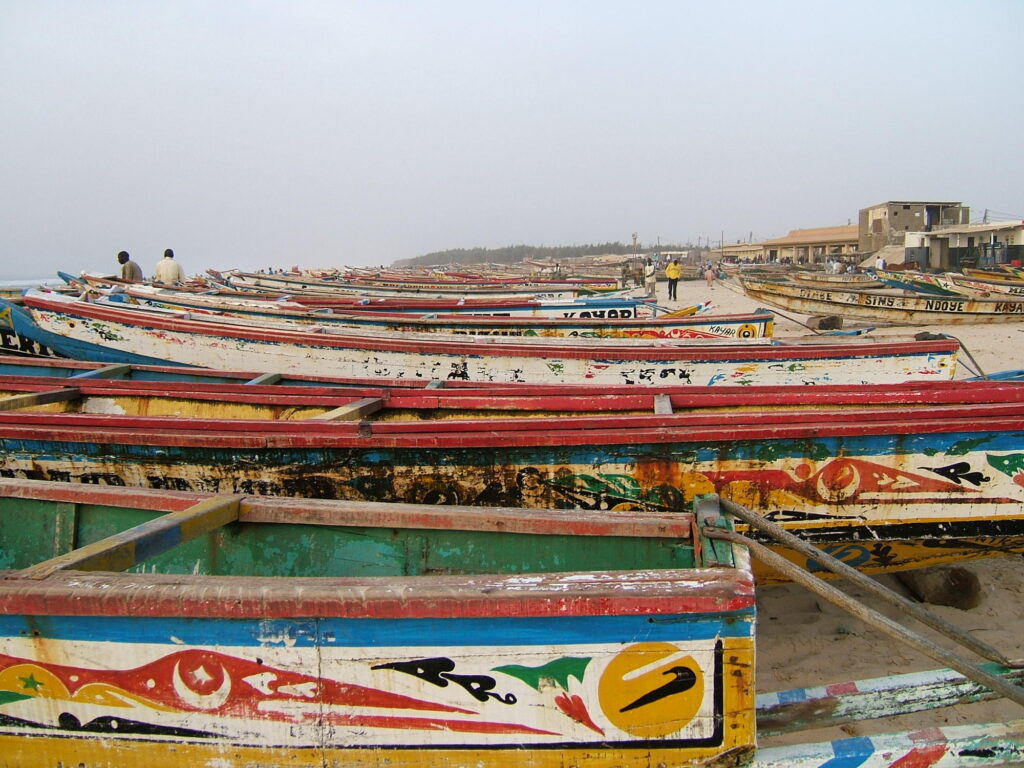
Fischerhafen von Kayar, Senegal, 2005 (Foto: Billo HP. Studer) Es ist ein beliebtes Bild im Senegal und unter europäischen NGOs, dass europäische Fangschiffen die Schuld tragen an der Erschöpfung der senegalesischen Fischbestände. Die Realität ist wesentlich komplexer.
(mehr …)Suche:
Übersetzen · Translate
Alle Themen · All topics:
Stichwortliste · Keyword list
Abfall advertisement animal suffering Animal welfare artisanal fisheries Betriebsschliessung Betäubung Blauhai bottom trawl bycatch Canada Carefish/catch Catch Welfare Plattform certification Chile China Danio rerio Don Staniford E. O. Wilson Elysia Erderwärmung Ethologie EU EU-Kommission evolution fair-fish fair-fish database Fischfutter Fischmehl Fischwohl Fischzucht Fischzucht Balterswil FishEthoGroup fish meal fish oil Fish stocks Fish welfare Greenpeace greenwashing Grossbritannien Half Earth Project human-animal interaction Humane Schlachtung humane slaughter Humpback whale ICSF Intelligenz investment Kantonstierarzt Kognition labels Lachs Landwirtschaft Litopenaeus vannamei marine life Marine Protected Area Marine Protected Areas (MPA) Massentötung microalgae MPA Newfoundland Norway Norwegen Notfallplan Oktopoden Omega-3 Pacific whiteleg shrimp phytoplankton piano play Pole and line Quecksilber Ray Hilborn Reducing animal suffering respect Salmon Sandtigerhai Schweiz Scotland Senegal shrimps small-scale fisheries small scale fisheries spatial needs Stellvertretung stocking density Swiss Shrimp Thunfisch Thurgau Tierleid Tierschutz Tintenfische training trawler Umfrage Vortrag Westafrika whales Whale shark Überfischung
Artikelarchiv · Articles by date
- Januar 2026
- Dezember 2025
- November 2025
- Oktober 2025
- September 2025
- August 2025
- Juli 2025
- Juni 2025
- März 2025
- Februar 2025
- Januar 2025
- Dezember 2024
- Juli 2024
- April 2024
- März 2024
- Dezember 2023
- November 2023
- Oktober 2023
- September 2023
- August 2023
- Juli 2023
- Januar 2023
- Oktober 2022
- September 2021
- Dezember 2019
- Dezember 2018
- August 2017
- November 2016
- Dezember 2013
- Dezember 2011