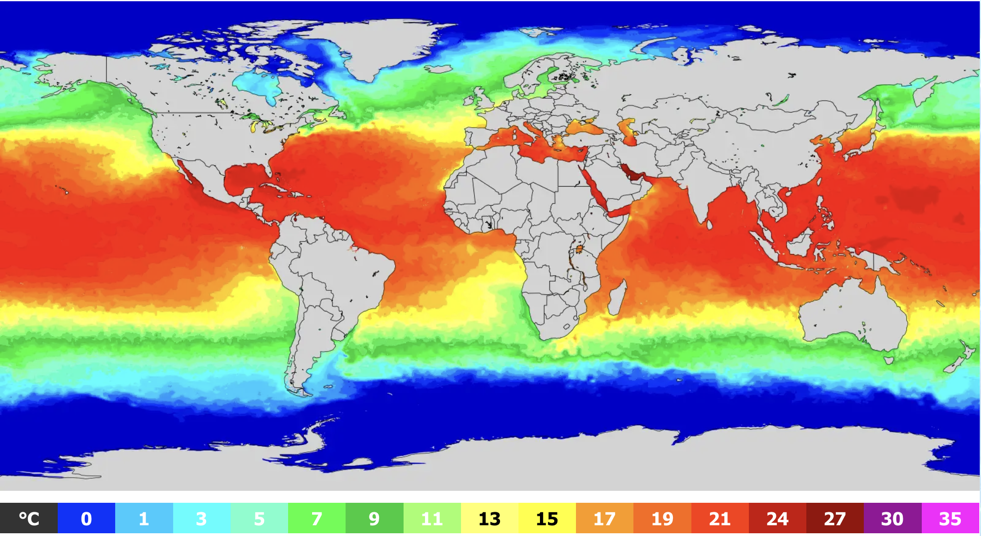
Meerestemperaturen am 30.08.2026, Farbskala in Grad Celsius (Grafik: seatemperature.org)
Im Sommer 2026 spiegelte die Umwelt mehr als je das Fehlverhalten der Menschheit. Der «Klimawandel», der richtiger als Erderwärmung bezeichnet werden muss (das Klima verändert sich ja weitgehend nicht aus eigenem Antrieb) wird meist als Grund genannt. Weniger Beachtung findet die falsche oder fehlende Bewirtschaftung unseres Lebensraums.
Traditional family in Jask port (credit: Mostafa Hassanzadeh / Wikimedia Commons)
On the second night of the war against Iran, on March 1, 2026, air strikes carried out by Israel and the USA thoroughly hit fishing harbours on the Iranian coast of the Gulf of Oman. More than 100 fishing boats and the livelihoods of tens of thousands of people were destroyed at once.
Human civilisation has exploited the planet to such an extent that life is under threat — including our own survival. There is still a way out of this catastrophe if we recognise what has gone wrong and act accordingly.
Humanity uses 1.3 billion acres for intensive agriculture, whilst 2 billion hectares have already been abandoned due to overuse and depletion. The planet’s plant biomass has decreased by 50%. To date, 73% of all species are in decline. 10,000 years ago, 95% of animal biomass consisted of wild animals, whereas today 95% of animal biomass consists of humans and their domesticated species, i.e. mainly farm animals. The biomass of marine fish has decreased by 60 to 80%, mainly over the last 100 years. The planet has lost around 50% of its productive capacity.
However, if we let cover large parts of land with trees and shrubs, we could significantly boost photosynthesis, create more life, reduce water consumption for plant care, and gain more shade, greater biodiversity, and a landscape that protects us from the extremes to which we are exposed as a result of man-made global warming.
Summary of a speech by Brett KenCairn [1] Founding Director of the Center of Regenerative Solutions
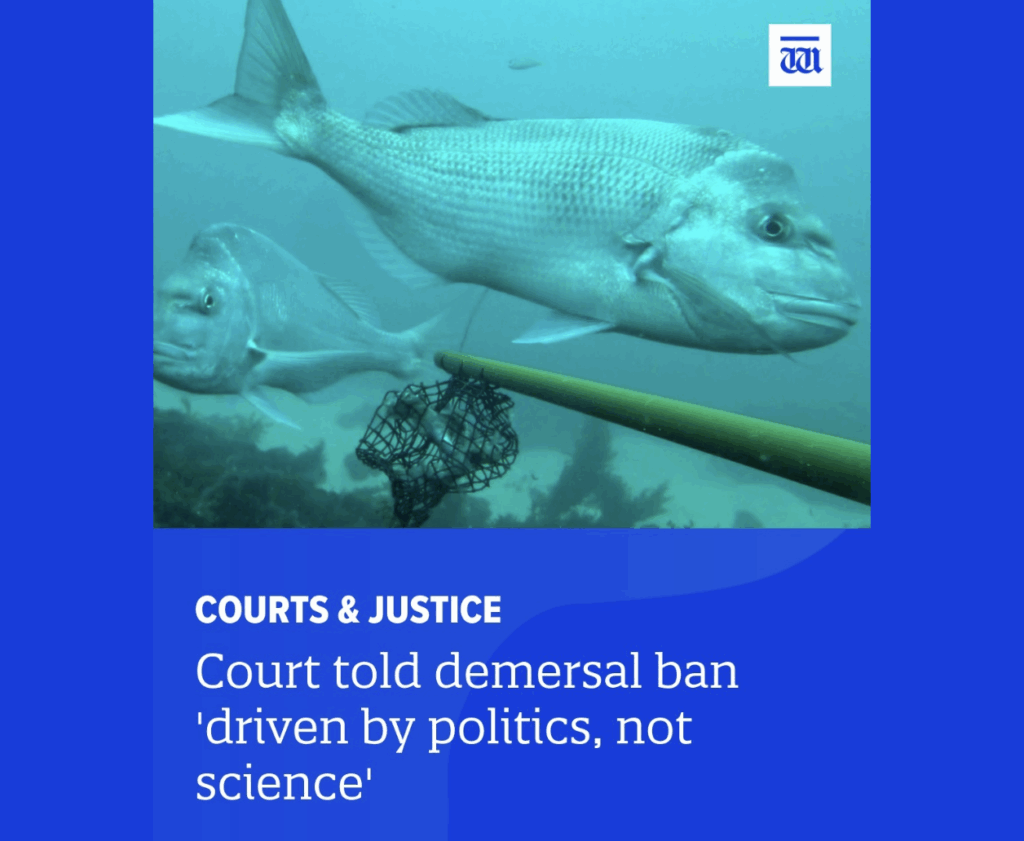
Governments are often criticised for failing to follow scientific advice when setting overly generous fishing quotas. But what if authorities, driven by political campaigns, disregard scientific findings — in the opposite direction?
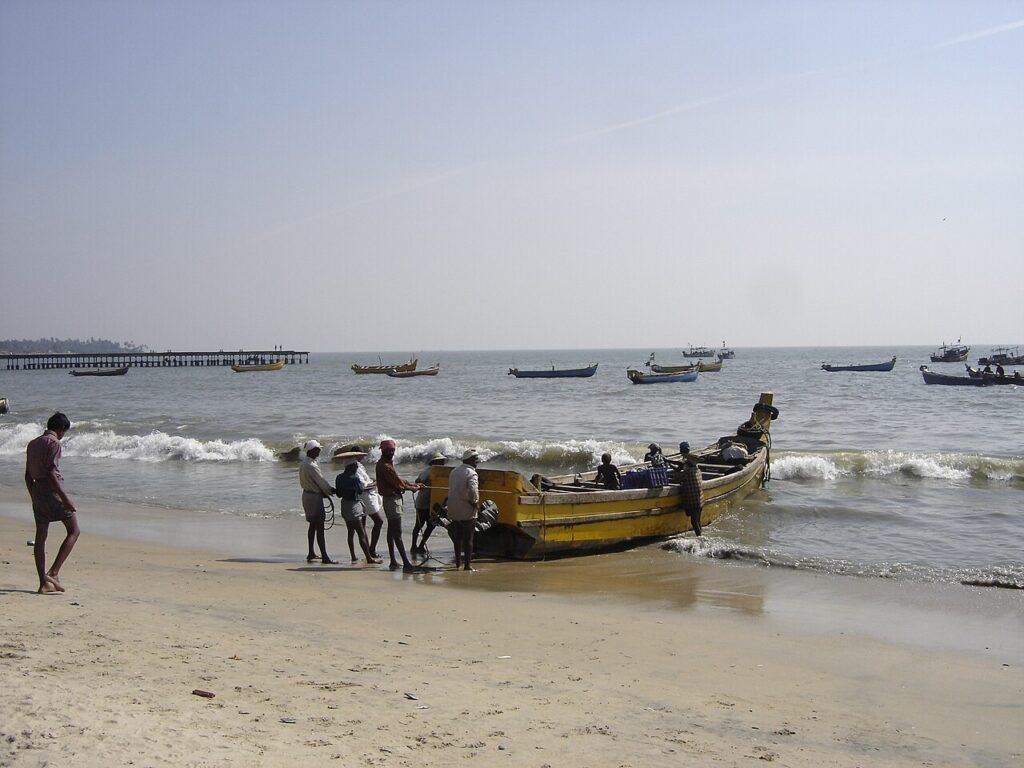
Fishermen at Thalassery Beach, Kerala (photo: Primejyothi / Wikimedia Commons)
This is what happens when big nations sign big trade deals. After concluding free trade agreements with the European Union and the United States of America, India now plans to massively ramp up its fisheries budget in order to export more fish.
This is not a Rothko, but a view of the High Sea (photo: Lesless / Wikimedia Commons)
Yesterday, on 17 January 2026, after years of difficult negotiations, a treaty to protect the high seas came into force. This is a historic moment for the marine environment and also for the international community in times of war and the formation of new blocs. What is the story behind it and which are the problems (not yet) solved?
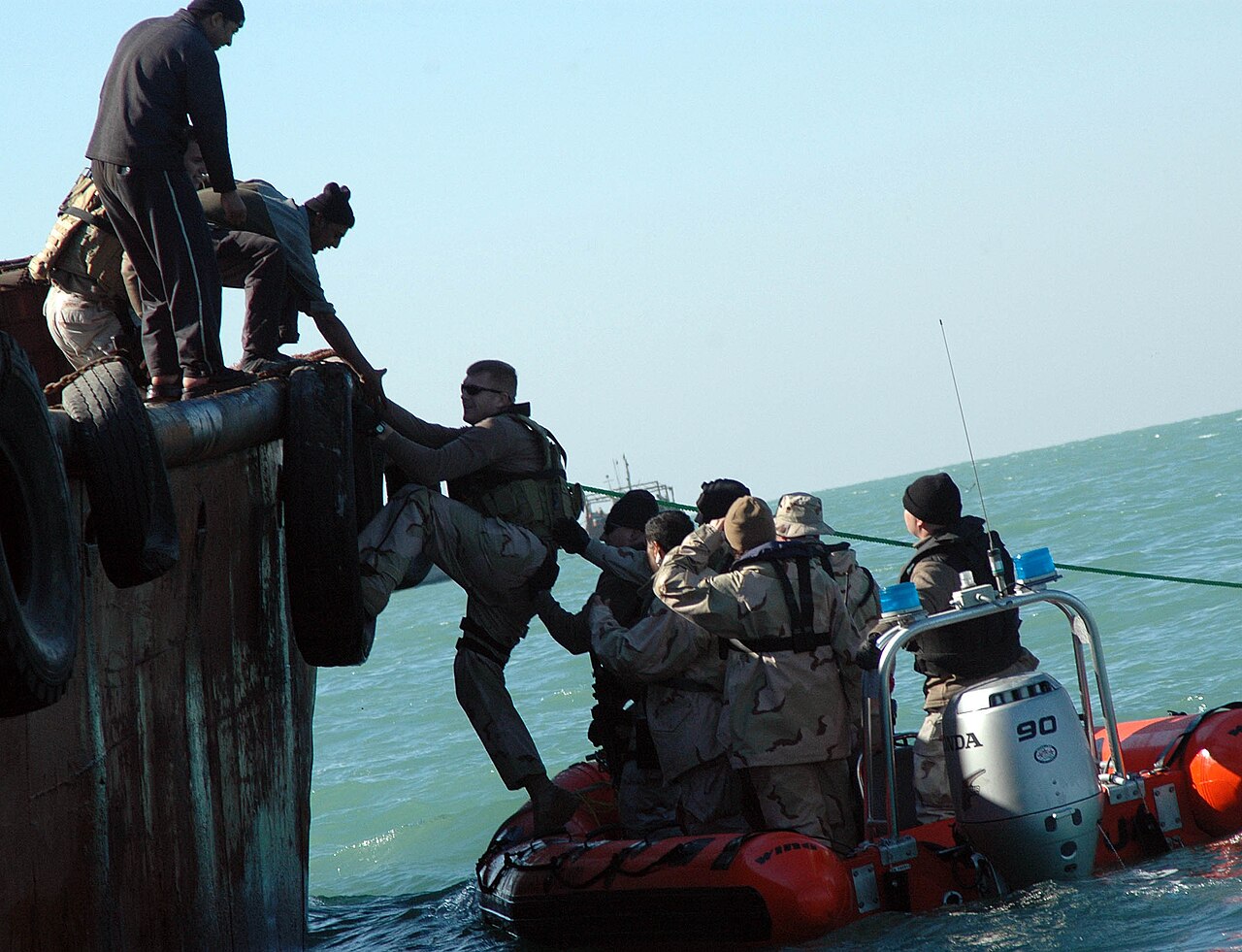
The US Navy has a tradition of combating illegal fishing in distant waters around the globe. This may be acceptable as long as US vessels operate in a maritime zone at the invitation of the coastal state.
Leckendes Atommüllfass in der Tiefsee (Video-Still aus dem hier zitierten ARD-Report 2011)
Während darüber gestritten wird, ob die atomaren Abwässer von Fukushima bereits den ganzen oder erst den halben Pazifik verseucht haben, tickt seit Jahrzehnten eine atomare Zeitbombe auf dem Grund etlicher Meere: Atommüll. Die Fässer mit den AKW-Abfällen drohen zu lecken. Doch die Regierungen jener Länder, die Abertausende dieser Fässer hatten verklappen lassen, schauen gar nicht hin. Ganz nach der Logik dieser Entsorgung: aus den Augen, aus dem Sinn. Gilt das auch für die Umweltorganisationen?