
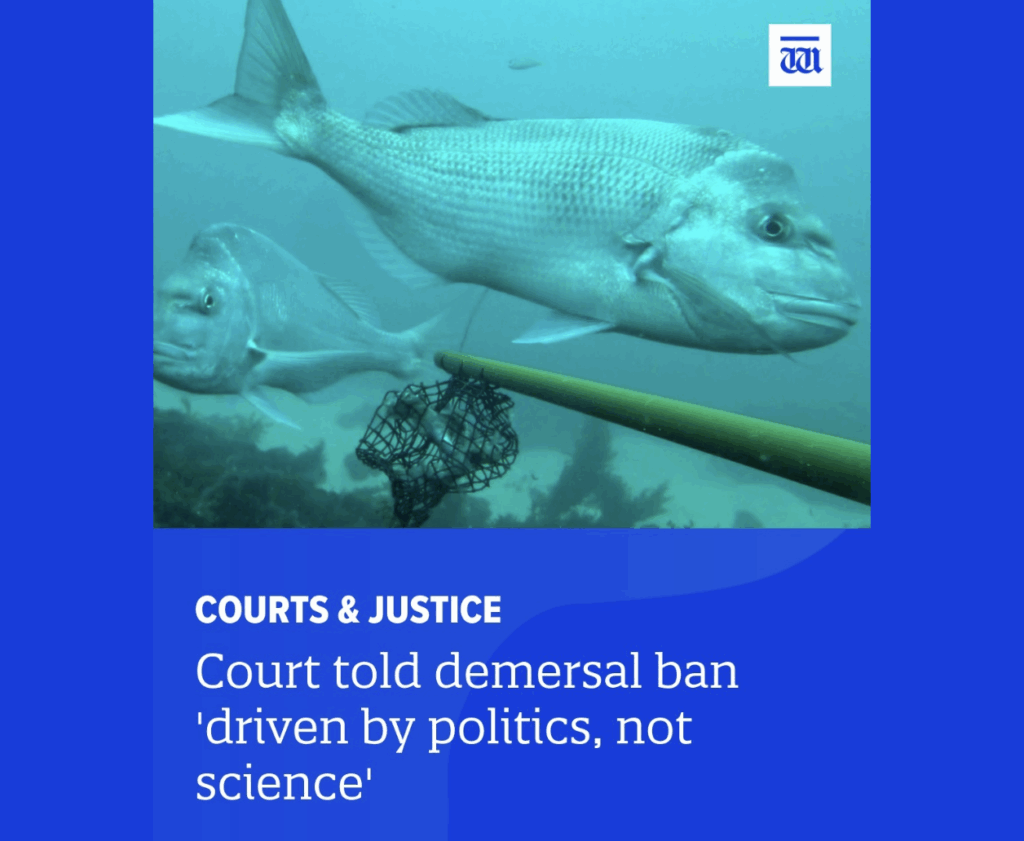
Governments are often criticised for failing to follow scientific advice when setting overly generous fishing quotas. But what if authorities, driven by political campaigns, disregard scientific findings — in the opposite direction?
Governments are often criticised for failing to follow scientific advice when setting overly generous fishing quotas. But what if authorities, driven by political campaigns, disregard scientific findings — in the opposite direction?
animal suffering Animal welfare artisanal fisheries ASC Badetourismus Betäubung Blauhai bottom trawl bycatch Canada Carefish/catch Catch Welfare Plattform certification Chile China Cod consumer attitudes Danio rerio Don Staniford Erderwärmung EU evolution fair-fish fair-fish database Fischfutter Fischkonsum Fischmehl Fischwohl Fischzucht fish consumption FishEthoGroup fishing ban fish meal fish oil Fish stocks Fish welfare global warming Greenpeace greenwashing Grossbritannien Hummer Humpback whale ICSF India Intelligenz Kleinfischerei Kognition krill Label labels Lachs Lachszucht Litopenaeus vannamei local communities Marine Protected Areas (MPA) max. 1x im Monat Melander microalgae migration Mittelmeer MSC Norway Oktopoden Oman Omega-3 Ostsee Pacific whiteleg shrimp phytoplankton play Pole and line Rainer Froese RAS Ray Hilborn Reducing animal suffering Salmon Sandtigerhai Schweiz Scotland Senegal shrimps small-scale fisheries small scale fisheries stocking density Strand Strandschutz Swiss Shrimp Tierleid Tierschutz Tintenfische Tourismus trawler Tötung USA Wal Westafrika whales Whale shark whale song Überfischung ökologische Nische
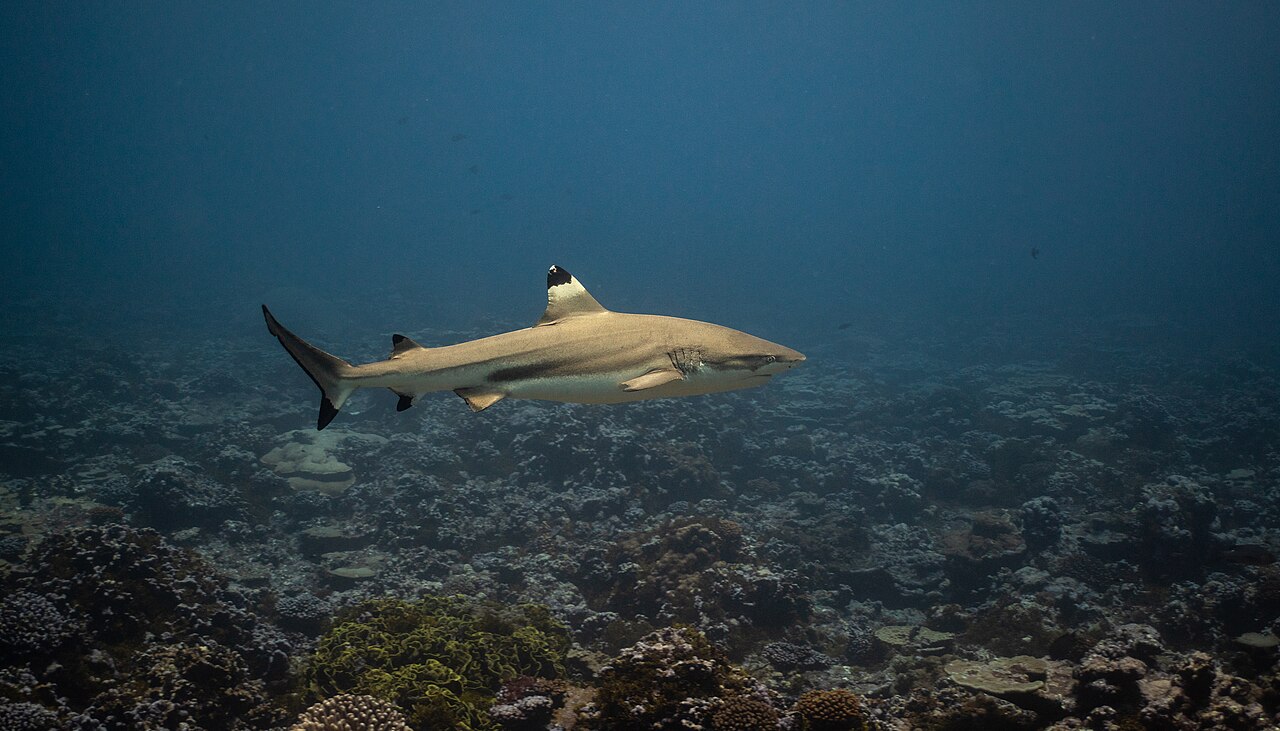
When it comes to the environmental, ethical, and socio-economic impacts of fishing, I always advocate taking into account the obvious differences in practice between artisanal fishing communities and their more or less industrialised competitors [1].
(mehr …)animal suffering Animal welfare artisanal fisheries ASC Badetourismus Betäubung Blauhai bottom trawl bycatch Canada Carefish/catch Catch Welfare Plattform certification Chile China Cod consumer attitudes Danio rerio Don Staniford Erderwärmung EU evolution fair-fish fair-fish database Fischfutter Fischkonsum Fischmehl Fischwohl Fischzucht fish consumption FishEthoGroup fishing ban fish meal fish oil Fish stocks Fish welfare global warming Greenpeace greenwashing Grossbritannien Hummer Humpback whale ICSF India Intelligenz Kleinfischerei Kognition krill Label labels Lachs Lachszucht Litopenaeus vannamei local communities Marine Protected Areas (MPA) max. 1x im Monat Melander microalgae migration Mittelmeer MSC Norway Oktopoden Oman Omega-3 Ostsee Pacific whiteleg shrimp phytoplankton play Pole and line Rainer Froese RAS Ray Hilborn Reducing animal suffering Salmon Sandtigerhai Schweiz Scotland Senegal shrimps small-scale fisheries small scale fisheries stocking density Strand Strandschutz Swiss Shrimp Tierleid Tierschutz Tintenfische Tourismus trawler Tötung USA Wal Westafrika whales Whale shark whale song Überfischung ökologische Nische
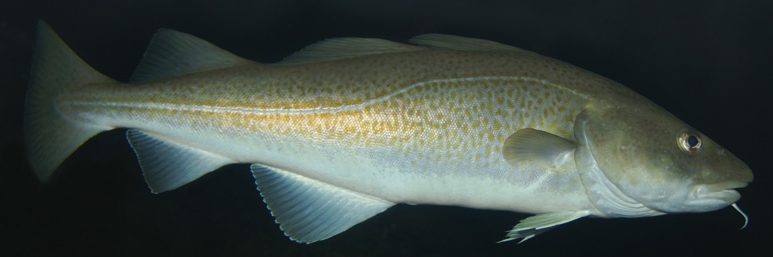
For thirty years, Atlantic cod (Gadus morhua) has been a symbolic example of the irreversible collapse of a fish stock due to continued overfishing. Now cod appears to be recovering, but experts are urging caution and resisting overly optimistic pressure from the industry.
In 1992, the Canadian government was forced to impose a ban on cod fishing. The once abundant stock in the Northwest Atlantic, which provided a livelihood for thousands of fishermen, still yielded an annual catch of 250,000 tonnes at the end of the 1980s after more than a century of reckless fishing, but was eventually completely decimated.
The moratorium was initially imposed for two years, but as there were no signs of recovery, it was repeatedly extended and ultimately lasted 32 years, causing many fishermen to lose their livelihoods. Now, however, the species is finally recovering. ’This much cod hasn’t been caught in the inshore since 1991, so we’re navigating new ground’, says the head of fish processing company Icewater Seafoods, Canada’s largest cod processor, which is facing changes to cope with the sudden catch level. [1]
I’d like to subscribe to the think.fish newsletter
But how much has the cod stock really recovered? A year ago, experts warned against giving in to the industry’s excessive optimism [2]. This year, too, experts are critical of the government’s lifting of the moratorium. According to their studies, the cod stock has only partially recovered, to 38 per cent of its peak in the 1960s. The decline of the cod stock was mainly due to the collapse of the capelin (Mallotus villosus) stock, the main food source for cod, in the early 1990s. And as capelin continue to decline, there are clear limits to the further recovery of cod. ‘Until capelin rebounds, this really isn’t the time to ramp up fishing,’ said a representative of the non-governmental organisation Oceana. [3]
References:
[2] https://www.facebook.com/groups/think.fish/posts/1008275744184804/
[3] https://www.france24.com/en/live-news/20250604-canada-s-reopened-cod-fishery-on-shaky-ground
animal suffering Animal welfare artisanal fisheries ASC Badetourismus Betäubung Blauhai bottom trawl bycatch Canada Carefish/catch Catch Welfare Plattform certification Chile China Cod consumer attitudes Danio rerio Don Staniford Erderwärmung EU evolution fair-fish fair-fish database Fischfutter Fischkonsum Fischmehl Fischwohl Fischzucht fish consumption FishEthoGroup fishing ban fish meal fish oil Fish stocks Fish welfare global warming Greenpeace greenwashing Grossbritannien Hummer Humpback whale ICSF India Intelligenz Kleinfischerei Kognition krill Label labels Lachs Lachszucht Litopenaeus vannamei local communities Marine Protected Areas (MPA) max. 1x im Monat Melander microalgae migration Mittelmeer MSC Norway Oktopoden Oman Omega-3 Ostsee Pacific whiteleg shrimp phytoplankton play Pole and line Rainer Froese RAS Ray Hilborn Reducing animal suffering Salmon Sandtigerhai Schweiz Scotland Senegal shrimps small-scale fisheries small scale fisheries stocking density Strand Strandschutz Swiss Shrimp Tierleid Tierschutz Tintenfische Tourismus trawler Tötung USA Wal Westafrika whales Whale shark whale song Überfischung ökologische Nische