
When it comes to the environmental, ethical, and socio-economic impacts of fishing, I always advocate taking into account the obvious differences in practice between artisanal fishing communities and their more or less industrialised competitors [1].
Artisanal fishers are in direct contact with the elements, habitats, and problems that fishing can bring. They are the first to notice and suffer from the decline in fish stocks, but because of their resource-efficient working methods, they have contributed the least to this decline. They are best placed to recognise the suffering and pain of the individual fish they catch, and their techniques make them best able to meet future consumer demands for a reduction in the duration and extent of suffering. They also secure many times more livelihoods than industrial fishing.
I’d like to subscribe to the think.fish newsletter
The insightful portrait [2] of an artisanal shark fisherman from southern India highlights the contradictions faced by artisanal fishing communities today, as they are forced to comply with stricter regulations introduced to curb the destruction caused by industrial fishing. Today, many shark species are heavily overfished and can no longer be caught, threatening traditional local fisheries. ‘I am the last in a long line of shark hunters. With the disappearance of the ocean, our way of life is also disappearing,’ he says, continuing: ’But it is not only the shark population that is declining, but all fish species. Ironically, artisanal fishermen like us are the most affected, even though our traditional methods contribute the least to this decline.’
Title picture:
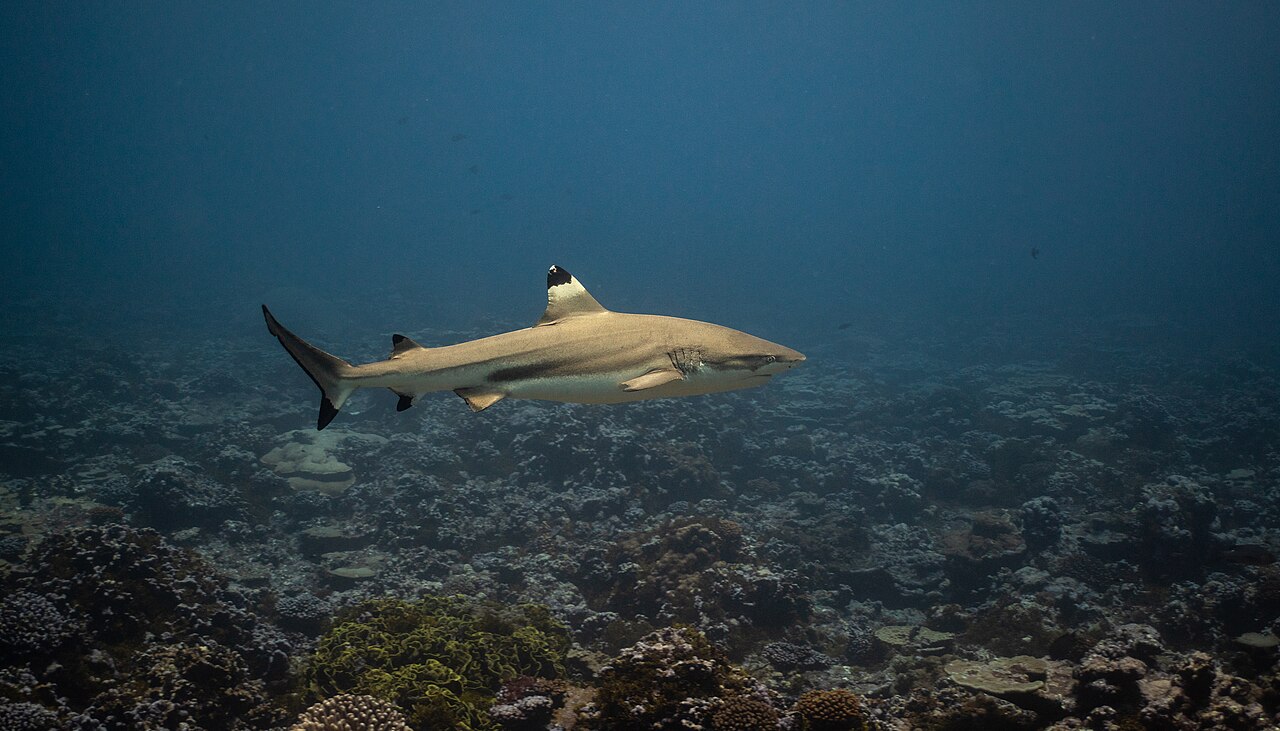
Blacktip reef shark (Carcharhinus melanopterus)
Photo by USFWS Pacific / Wikimedia Commons
Sources:
[1] examples:
’Combining the welfare of fishes and fishermen’
’Artisanal fisheries deserve recognition’ or
’Small fisher(wo)men make a big difference’
[2] Bharath Thampi, 16.02.2026: ’Living off a dying sea’
Schreibe einen Kommentar
Du musst angemeldet sein, um einen Kommentar abzugeben.