Meere, Seen und Flüsse könnten die Menschheit mit genügend Fisch versorgen. Doch dieser natürliche Reichtum wird durch viele Fischereien noch immer so rücksichtslos ausgebeutet, dass sein Fortbestand in Frage steht. Es braucht Vereinbarungen über nachhaltiges Fischen.
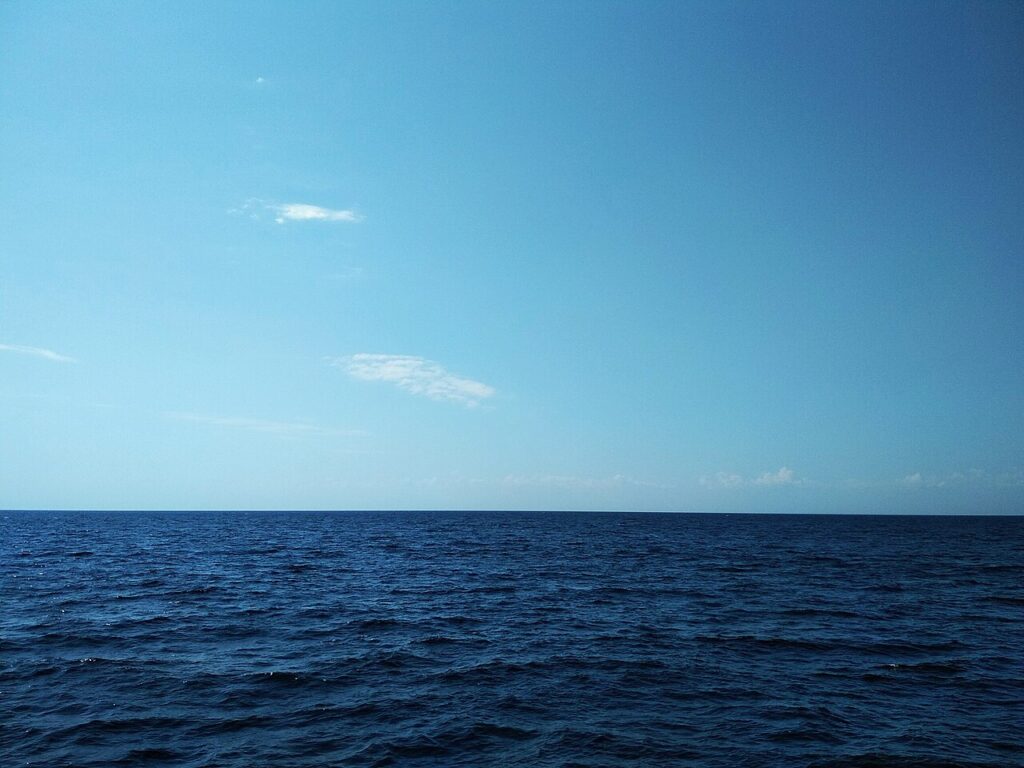
This is not a Rothko, but a view of the High Sea (photo: Lesless / Wikimedia Commons)
Yesterday, on 17 January 2026, after years of difficult negotiations, a treaty to protect the high seas came into force. This is a historic moment for the marine environment and also for the international community in times of war and the formation of new blocs. What is the story behind it and which are the problems (not yet) solved?
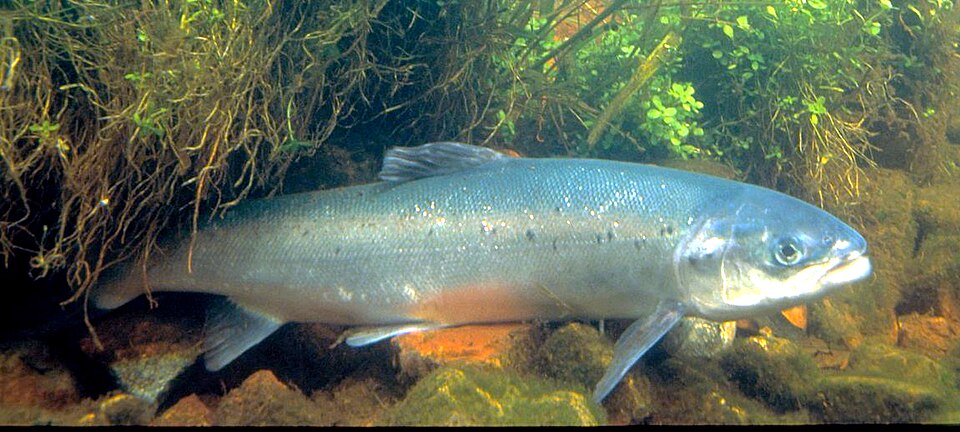
Wildlebender Atlantiklachs (Salmo salar) (Foto: US Fish & Wildlife Service / Wikimedia Commons)
Wieder soll eine grosse Fischzuchtanlage in der Schweiz gebaut werden. Indoor-Kreislaufanlagen sind zwar ökologisch weniger schlimm als Netzkäfige im Meer, erfordern aber viel Kapital und sind daher riskant – besonders in der Schweiz wegen der hohen Lohn- und damit Betriebskosten. Verschiedene Anlagen sind daran gescheitert. Ob das im Kanton Glarus geplante Projekt gelingt, ist auch deshalb fraglich, weil der Verein fair-fish Einsprache gegen das Baugesuch einreichte.
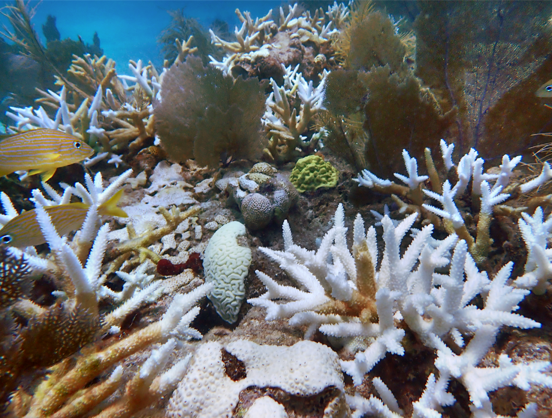
In an article worth reading on AEON, Iris Braverman comes to a simple but not so easy to implement conclusion: regulatory authorities, scientists, and local communities must work together to make coral reefs fit for rising sea temperatures.
While an asteroid wiped out most living beings on the planet 66 million years ago, including the dinosaurs, some species managed to survive, among which some ammonites. At least for quite a while.