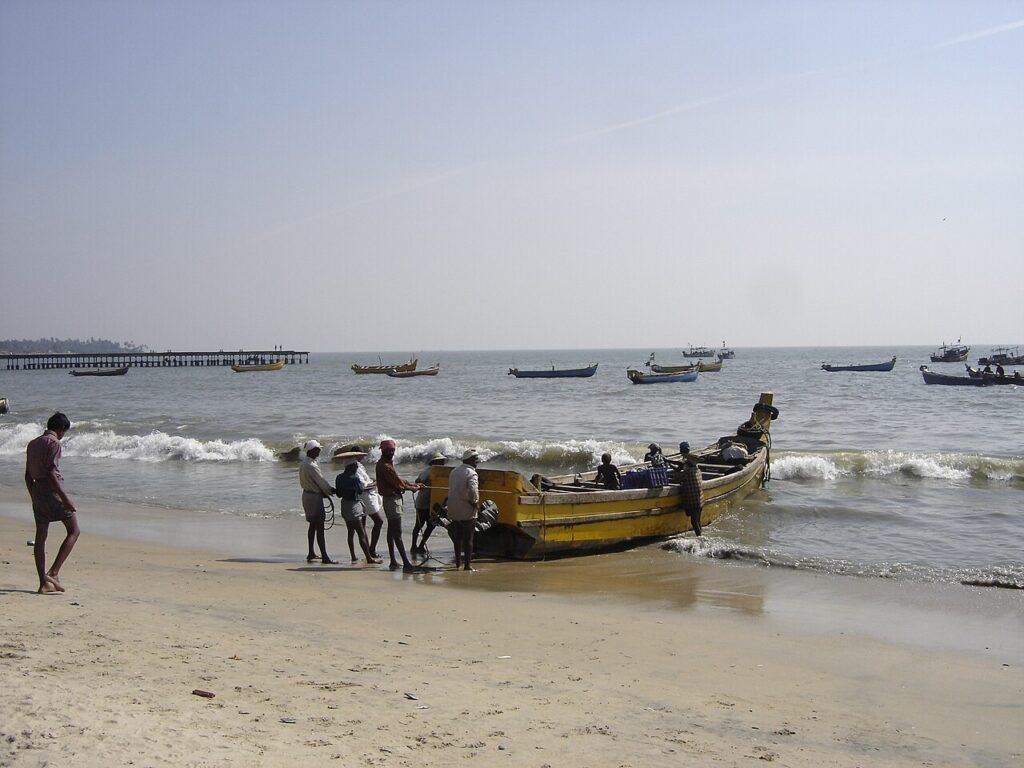
Fishermen at Thalassery Beach, Kerala (photo: Primejyothi / Wikimedia Commons)
This is what happens when big nations sign big trade deals. After concluding free trade agreements with the European Union and the United States of America, India now plans to massively ramp up its fisheries budget in order to export more fish.
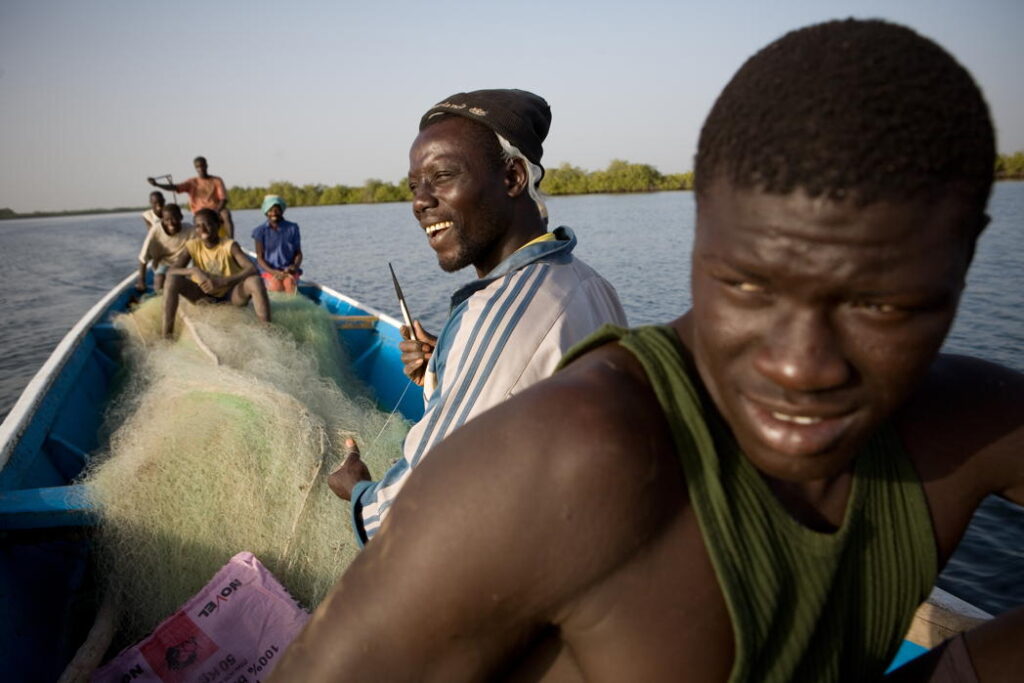
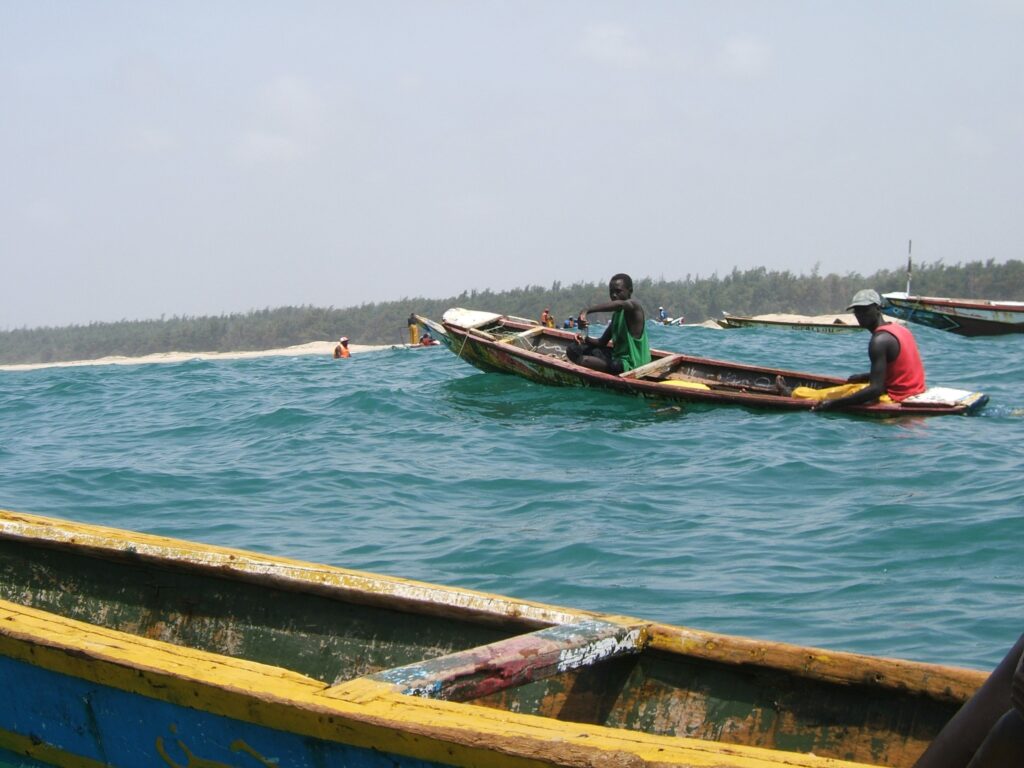
Artisanale Fischer im Saloum, Senegal (Foto: Michael Hauri)
Gut die Hälfte des Fischs, der weltweit gegessen wird, stammt nicht von industriellen Fangschiffen, sondern aus der kleinen Fischerei. Sie könnte ohne die industrielle Konkurrenz sogar einen noch grösseren Anteil liefern.
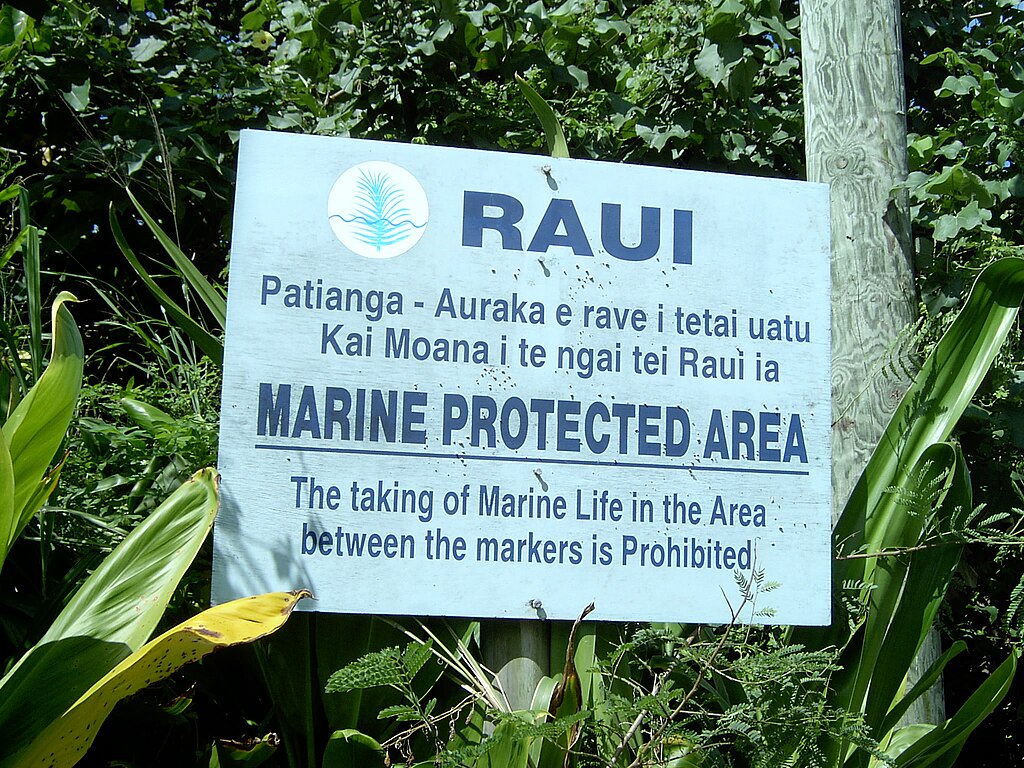
Marine scientists and environmentalists are calling for at least 30 percent of the oceans to be designated as Marine Protected Areas (MPA) to help fish stocks and marine life in general to recover and thrive. However, the fishing industry often opposes MPA projects. And yet, 30 percent is not even enough!
The Mackerel stock in the north-east Atlantic have been so severely depleted that ICES advices a 70% cut in fishing quota [1]— it would be a miracle if EU fisheries ministers were to follow this advice… A study led by fisheries biologist Rainer Froese (University of Kiel) accuses the EU of ‚gross mismanagement‘ in the protection of fish stocks, particularly cod and herring. According to Froese, ‚whatever can be done wrong is done wrong‘ [2]. Urgent political action is also needed to prevent the collapse of British fish stocks, the NGO Oceana warns [3].
Handliners on the coast of Kayar, Senegal (photo: Billo Studer)
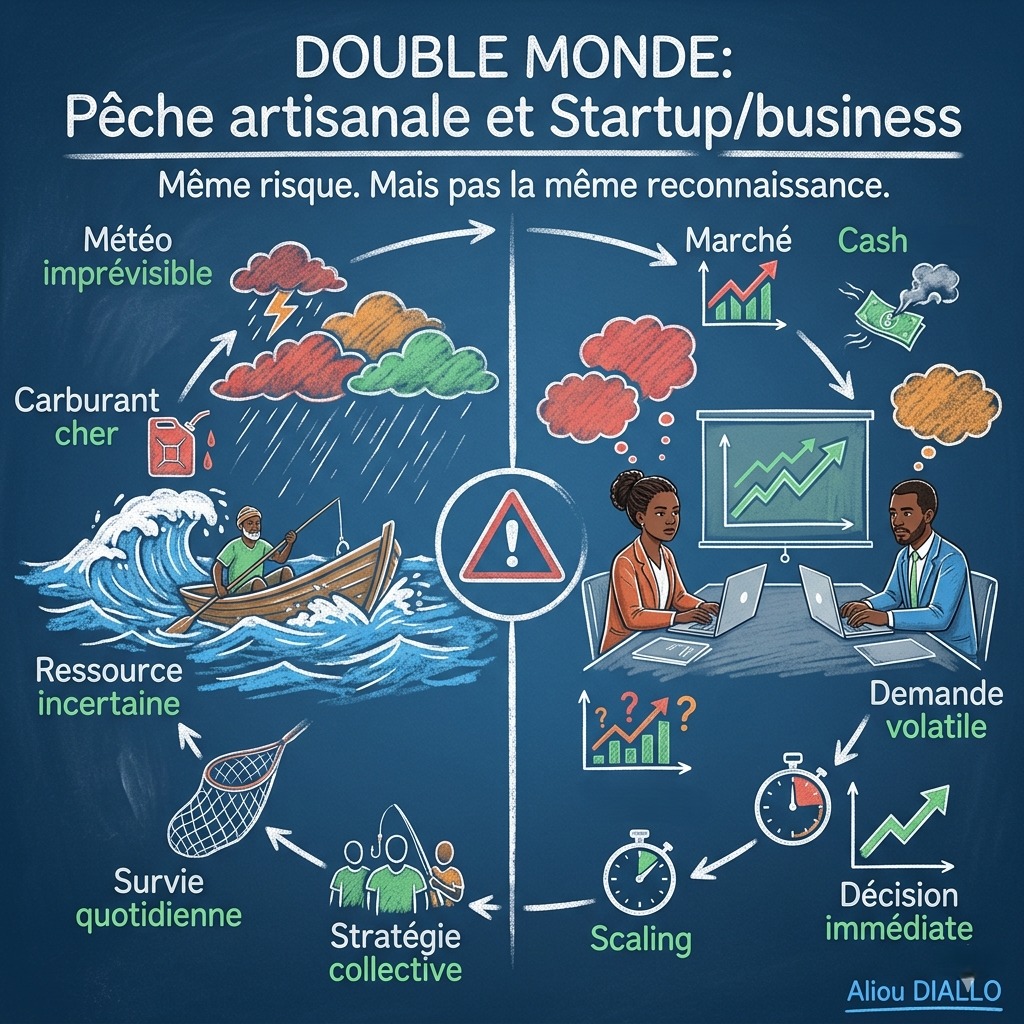
Small-scale artisanal fisheries are largely underestimated in terms of their catch volumes and contribution to the local economy — and at the same time they are adversely affected by industrial fishing, offshore aquaculture, tourism and other uses of coastal waters. Assessing the value and importance of small-scale fisheries is a crucial step towards countering the threats they face. This also benefits fishes, because if fisheries can minimise the suffering of the animals concerned, small-scale fisheries are more likely to succeed than their industrial competitors, which use heavy fishing gear.