Human civilisation has exploited the planet to such an extent that life is under threat — including our own survival. There is still a way out of this catastrophe if we recognise what has gone wrong and act accordingly.
Humanity uses 1.3 billion acres for intensive agriculture, whilst 2 billion hectares have already been abandoned due to overuse and depletion. The planet’s plant biomass has decreased by 50%. To date, 73% of all species are in decline. 10,000 years ago, 95% of animal biomass consisted of wild animals, whereas today 95% of animal biomass consists of humans and their domesticated species, i.e. mainly farm animals. The biomass of marine fish has decreased by 60 to 80%, mainly over the last 100 years. The planet has lost around 50% of its productive capacity.
I’d like to subscribe to the think.fish newsletter
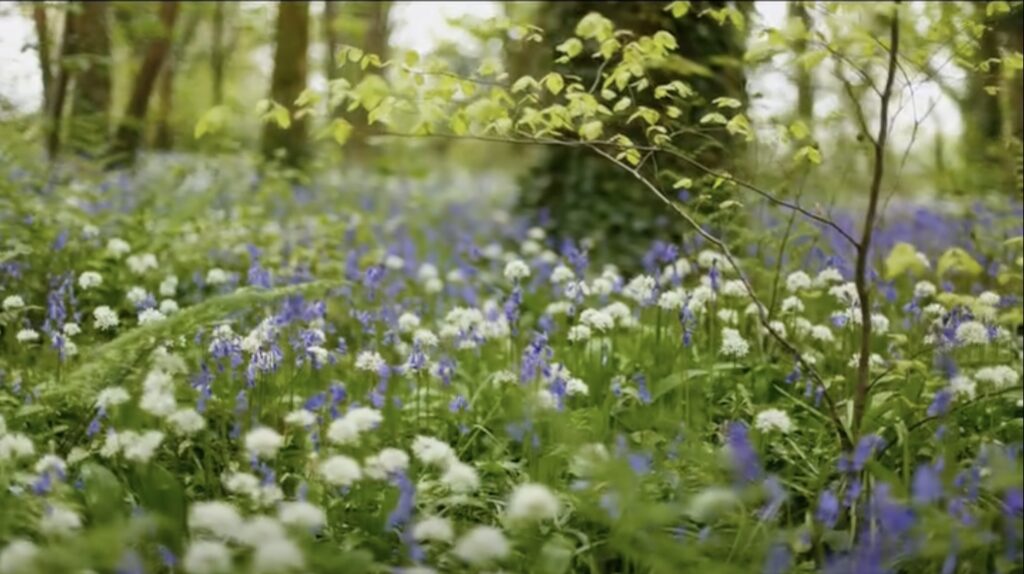
However, if we let cover large parts of land with trees and shrubs, we could significantly boost photosynthesis, create more life, reduce water consumption for plant care, and gain more shade, greater biodiversity, and a landscape that protects us from the extremes to which we are exposed as a result of man-made global warming.
Summary of a speech by Brett KenCairn [1]
Founding Director of the Center of Regenerative Solutions
[1] short video excerpts from KenCairns speech:
https://www.facebook.com/reel/978432761861362
and
https://www.facebook.com/reel/2395238484332695
full audio version:
https://www.thegreatsimplification.com/episode/222-brett-kencairn (1:34:18)
Schreibe einen Kommentar
Du musst angemeldet sein, um einen Kommentar abzugeben.