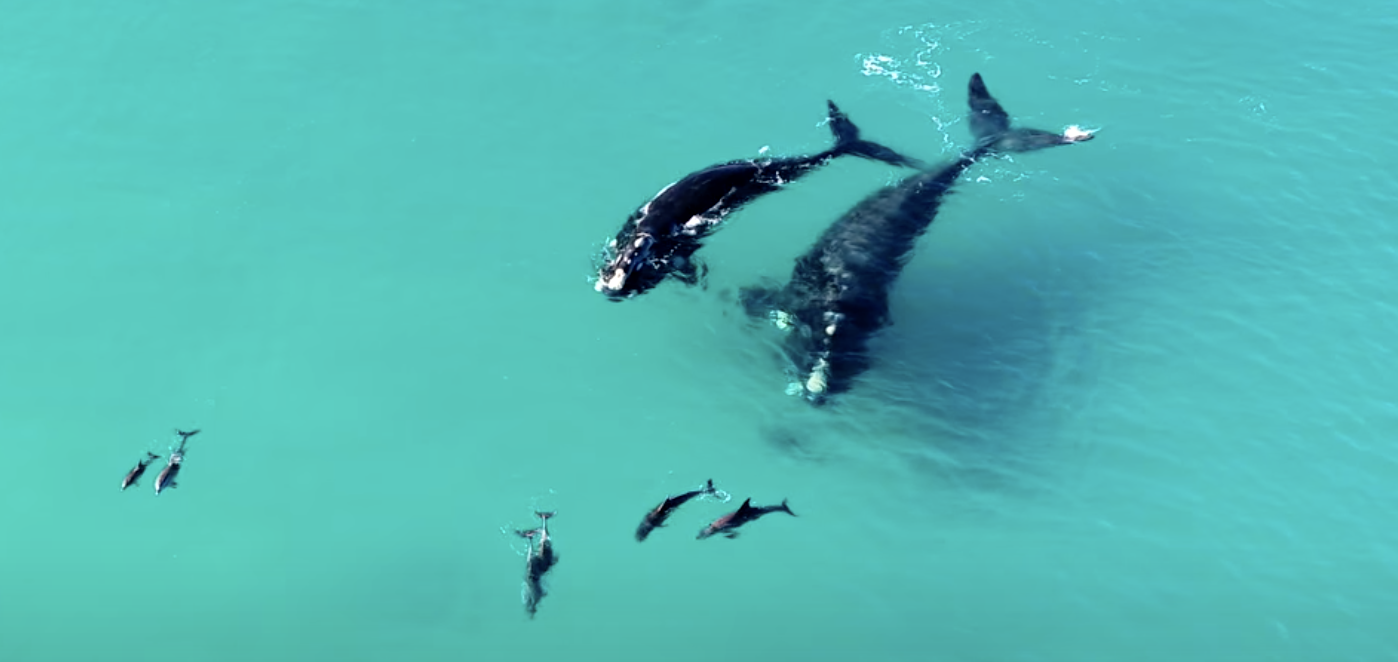
When Humpback whales migrate along the Australian coast in their thousands, dolphins join the shoals of their large relatives. This is not an isolated case. In a recent study [1], two researchers from Griffith University in Australia searched social media and found 199 usable reports of encounters between whales and dolphins from 17 countries over a two-decade period, mainly Humpback whales (Megaptera novaeangliae) and Bottlenose dolphins (Tursiops truncatus). In most cases, the interactions can be interpreted as communal feeding, play, and harassment. The researchers conclude that interactions between these species are by no means as rare as previously thought.
(mehr …)Kategorie: Habitat
-
Suche:
Übersetzen · Translate
Alle Themen · All topics:
Stichwortliste · Keyword list
animal suffering Animal welfare artisanal fisheries ASC Badetourismus Betäubung Blauhai bottom trawl bycatch Canada Carefish/catch Catch Welfare Plattform certification Chile China Cod consumer attitudes Danio rerio Don Staniford Erderwärmung EU evolution fair-fish fair-fish database Fischfutter Fischkonsum Fischmehl Fischwohl Fischzucht FishEthoGroup fishing ban fish meal fish oil Fish stocks Fish welfare Gesellschaftsform global warming Greenpeace greenwashing Grossbritannien Hummer Humpback whale ICSF India Intelligenz Kleinfischerei Kognition krill Label labels Lachs Lachszucht Litopenaeus vannamei local communities Marine Protected Areas (MPA) max. 1x im Monat Melander microalgae migration Mittelmeer MSC Norway Oktopoden Omega-3 Ostsee Pacific whiteleg shrimp phytoplankton play Pole and line Rainer Froese RAS Ray Hilborn Reducing animal suffering Salmon Sandtigerhai Schweiz Scotland Senegal shrimps small-scale fisheries small scale fisheries stocking density Strand Strandschutz Swiss Shrimp Tierleid Tierschutz Tintenfische Tourismus trawler Tötung USA Wal Westafrika whales Whale shark whale song Zufall Überfischung ökologische Nische
Artikelarchiv · Articles by date
- Juni 2026
- Mai 2026
- April 2026
- März 2026
- Februar 2026
- Januar 2026
- Dezember 2025
- November 2025
- Oktober 2025
- September 2025
- August 2025
- Juli 2025
- Juni 2025
- März 2025
- Februar 2025
- Januar 2025
- Dezember 2024
- Juli 2024
- Juni 2024
- April 2024
- März 2024
- Februar 2024
- Dezember 2023
- November 2023
- Oktober 2023
- September 2023
- August 2023
- Juli 2023
- Januar 2023
- Oktober 2022
- September 2021
- Dezember 2019
- Dezember 2018
- August 2017
- November 2016
- Januar 2016
- Februar 2015
- Juni 2014
- Februar 2014
- Dezember 2013
- Januar 2013
- Mai 2012
- Dezember 2011
- März 2011
- Februar 2011
-
Surfer für Strandschutz
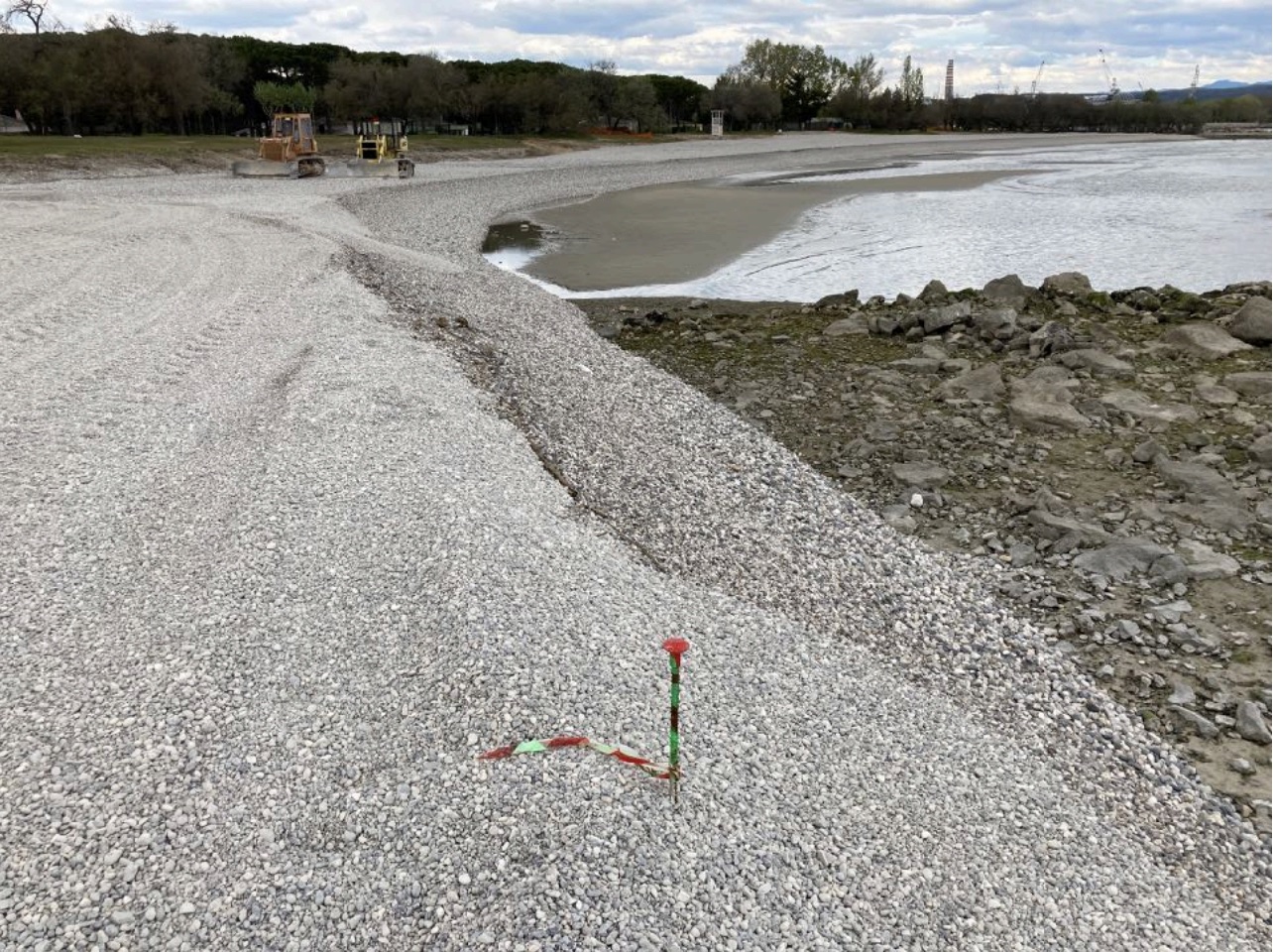
In Peru setzen sich Surfer für den Schutz perfekter Wellen ein und damit für den Schutz der Küsten – ein schönes Beispiel fürs Schützen beim Nutzen. Es zeigt freilich auch, dass Strandschutz weltweit zu kurz greift.
(mehr …)Suche:
Übersetzen · Translate
Alle Themen · All topics:
Stichwortliste · Keyword list
animal suffering Animal welfare artisanal fisheries ASC Badetourismus Betäubung Blauhai bottom trawl bycatch Canada Carefish/catch Catch Welfare Plattform certification Chile China Cod consumer attitudes Danio rerio Don Staniford Erderwärmung EU evolution fair-fish fair-fish database Fischfutter Fischkonsum Fischmehl Fischwohl Fischzucht FishEthoGroup fishing ban fish meal fish oil Fish stocks Fish welfare Gesellschaftsform global warming Greenpeace greenwashing Grossbritannien Hummer Humpback whale ICSF India Intelligenz Kleinfischerei Kognition krill Label labels Lachs Lachszucht Litopenaeus vannamei local communities Marine Protected Areas (MPA) max. 1x im Monat Melander microalgae migration Mittelmeer MSC Norway Oktopoden Omega-3 Ostsee Pacific whiteleg shrimp phytoplankton play Pole and line Rainer Froese RAS Ray Hilborn Reducing animal suffering Salmon Sandtigerhai Schweiz Scotland Senegal shrimps small-scale fisheries small scale fisheries stocking density Strand Strandschutz Swiss Shrimp Tierleid Tierschutz Tintenfische Tourismus trawler Tötung USA Wal Westafrika whales Whale shark whale song Zufall Überfischung ökologische Nische
Artikelarchiv · Articles by date
- Juni 2026
- Mai 2026
- April 2026
- März 2026
- Februar 2026
- Januar 2026
- Dezember 2025
- November 2025
- Oktober 2025
- September 2025
- August 2025
- Juli 2025
- Juni 2025
- März 2025
- Februar 2025
- Januar 2025
- Dezember 2024
- Juli 2024
- Juni 2024
- April 2024
- März 2024
- Februar 2024
- Dezember 2023
- November 2023
- Oktober 2023
- September 2023
- August 2023
- Juli 2023
- Januar 2023
- Oktober 2022
- September 2021
- Dezember 2019
- Dezember 2018
- August 2017
- November 2016
- Januar 2016
- Februar 2015
- Juni 2014
- Februar 2014
- Dezember 2013
- Januar 2013
- Mai 2012
- Dezember 2011
- März 2011
- Februar 2011
-
Has cod really recovered in Canada?

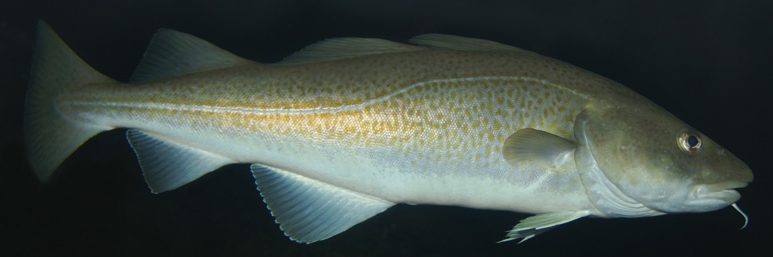
Atlantic cod (credit: Patrick Gijsbers / Wikimedia Commons) For thirty years, Atlantic cod (Gadus morhua) has been a symbolic example of the irreversible collapse of a fish stock due to continued overfishing. Now cod appears to be recovering, but experts are urging caution and resisting overly optimistic pressure from the industry.
In 1992, the Canadian government was forced to impose a ban on cod fishing. The once abundant stock in the Northwest Atlantic, which provided a livelihood for thousands of fishermen, still yielded an annual catch of 250,000 tonnes at the end of the 1980s after more than a century of reckless fishing, but was eventually completely decimated.
The moratorium was initially imposed for two years, but as there were no signs of recovery, it was repeatedly extended and ultimately lasted 32 years, causing many fishermen to lose their livelihoods. Now, however, the species is finally recovering. ’This much cod hasn’t been caught in the inshore since 1991, so we’re navigating new ground’, says the head of fish processing company Icewater Seafoods, Canada’s largest cod processor, which is facing changes to cope with the sudden catch level. [1]
I’d like to subscribe to the think.fish newsletter
But how much has the cod stock really recovered? A year ago, experts warned against giving in to the industry’s excessive optimism [2]. This year, too, experts are critical of the government’s lifting of the moratorium. According to their studies, the cod stock has only partially recovered, to 38 per cent of its peak in the 1960s. The decline of the cod stock was mainly due to the collapse of the capelin (Mallotus villosus) stock, the main food source for cod, in the early 1990s. And as capelin continue to decline, there are clear limits to the further recovery of cod. ‘Until capelin rebounds, this really isn’t the time to ramp up fishing,’ said a representative of the non-governmental organisation Oceana. [3]
References:
[2] https://www.facebook.com/groups/think.fish/posts/1008275744184804/
[3] https://www.france24.com/en/live-news/20250604-canada-s-reopened-cod-fishery-on-shaky-ground
Suche:
Übersetzen · Translate
Alle Themen · All topics:
Stichwortliste · Keyword list
animal suffering Animal welfare artisanal fisheries ASC Badetourismus Betäubung Blauhai bottom trawl bycatch Canada Carefish/catch Catch Welfare Plattform certification Chile China Cod consumer attitudes Danio rerio Don Staniford Erderwärmung EU evolution fair-fish fair-fish database Fischfutter Fischkonsum Fischmehl Fischwohl Fischzucht FishEthoGroup fishing ban fish meal fish oil Fish stocks Fish welfare Gesellschaftsform global warming Greenpeace greenwashing Grossbritannien Hummer Humpback whale ICSF India Intelligenz Kleinfischerei Kognition krill Label labels Lachs Lachszucht Litopenaeus vannamei local communities Marine Protected Areas (MPA) max. 1x im Monat Melander microalgae migration Mittelmeer MSC Norway Oktopoden Omega-3 Ostsee Pacific whiteleg shrimp phytoplankton play Pole and line Rainer Froese RAS Ray Hilborn Reducing animal suffering Salmon Sandtigerhai Schweiz Scotland Senegal shrimps small-scale fisheries small scale fisheries stocking density Strand Strandschutz Swiss Shrimp Tierleid Tierschutz Tintenfische Tourismus trawler Tötung USA Wal Westafrika whales Whale shark whale song Zufall Überfischung ökologische Nische
Artikelarchiv · Articles by date
- Juni 2026
- Mai 2026
- April 2026
- März 2026
- Februar 2026
- Januar 2026
- Dezember 2025
- November 2025
- Oktober 2025
- September 2025
- August 2025
- Juli 2025
- Juni 2025
- März 2025
- Februar 2025
- Januar 2025
- Dezember 2024
- Juli 2024
- Juni 2024
- April 2024
- März 2024
- Februar 2024
- Dezember 2023
- November 2023
- Oktober 2023
- September 2023
- August 2023
- Juli 2023
- Januar 2023
- Oktober 2022
- September 2021
- Dezember 2019
- Dezember 2018
- August 2017
- November 2016
- Januar 2016
- Februar 2015
- Juni 2014
- Februar 2014
- Dezember 2013
- Januar 2013
- Mai 2012
- Dezember 2011
- März 2011
- Februar 2011
-
Alle starren aufs Meer hinaus, doch Leben stirbt auch in Seen und Flüssen
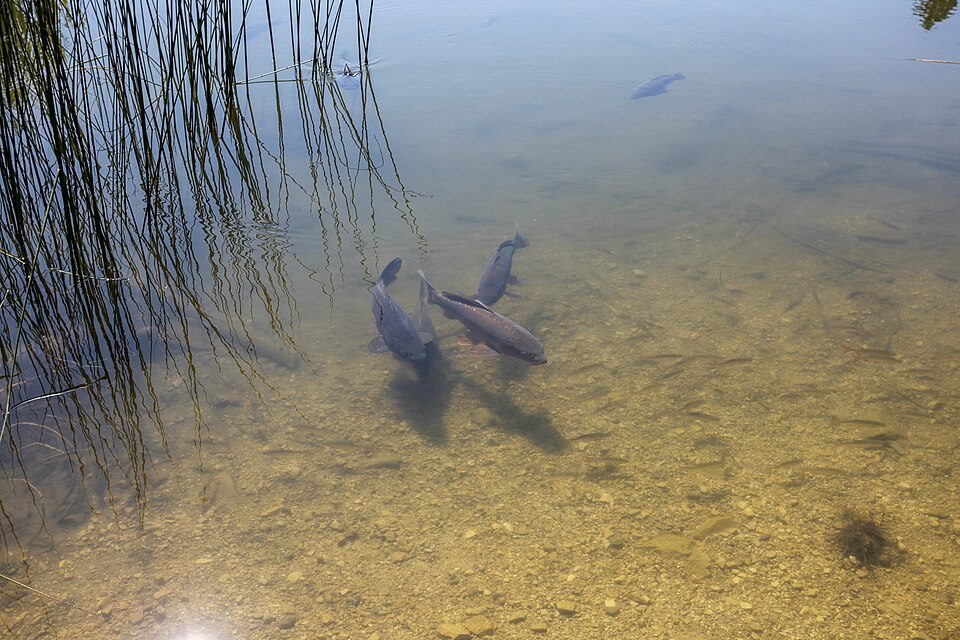
Ein Drittel der Tierarten in Süssgewässern sind gefährdet [1], und sogar ein Drittel aller Süsswasserfischarten [2]. Ein Mix verschiedener Ursachen ist dafür verantwortlich: Umweltverschmutzung, Staudämme, Entnahme von Wasser, veränderte Nutzung der umgebenden Landflächen und invasive Krankheiten. Aber es trifft ja nur die Süsswassertiere…
Halt! Allein von allen Fischarten lebt gut die Hälfte der Arten in Süsswasser, also in Bächen, Flüssen, Tümpeln und Seen, die anderen 49% in Salzwasser [2]. Das ist umso erstaunlicher, als Süsswasser die grosse Ausnahmen auf unserem Planeten ist.
Auf der Erde gibt es rund 1,4 Milliarden Kubikkilometer Wasser, das sind 1,4 Trilliarden Liter, also 1’400’000’000’000’000’000’000 Liter (1,4 * 1021 Liter). Fast alles Wasser befindet sich in den Meeren und Ozeanen, nur 2,5 Prozent sind Süsswasser, das meiste davon in Eis gebunden. Und nur 3 Prozent des Süsswassers, also etwa 1,05 Trillionen Liter (1’050’000’000’000’000’000 Liter,) sind in Gewässern vorhanden [3]. Das heisst, die Biodiversität der Fischarten in Süssgewässern spielt sich auf einem 325 Mal kleineren Raum ab als in den Meeren. Zudem ist dieser enge Raum steten Schwankungen unterworfen [4]
Daraus kann geschlossen werden, dass die Artenvielfalt in Süssgewässern besonders wichtig ist, auch für uns Menschen [5], und dass ihre Bedrohung mindestens so ernst genommen werden muss wie jene der Vielfalt in den Meeren.
Titelbild:
Fische im Möserer See (Marco Almbauer / Wikimedia Commons)Quellen:
[1] https://fb.watch/xfbqB80FPL/ (Kurzvideo TerraX)
[2] https://www.fishsec.org/2021/02/25/one-third-of-freshwater-fish-populations-at-risk-of-extinction/
[3] https://www.quarks.de/umwelt/faq-so-viel-wasser-gibt-es-auf-der-erde/
[4] https://www.nature.com/articles/nature20584.epdf
[5] https://www.energiezukunft.eu/umweltschutz/artenvielfalt-im-suesswasser-existenziell-fuer-menschen
Suche:
Übersetzen · Translate
Alle Themen · All topics:
Stichwortliste · Keyword list
animal suffering Animal welfare artisanal fisheries ASC Badetourismus Betäubung Blauhai bottom trawl bycatch Canada Carefish/catch Catch Welfare Plattform certification Chile China Cod consumer attitudes Danio rerio Don Staniford Erderwärmung EU evolution fair-fish fair-fish database Fischfutter Fischkonsum Fischmehl Fischwohl Fischzucht FishEthoGroup fishing ban fish meal fish oil Fish stocks Fish welfare Gesellschaftsform global warming Greenpeace greenwashing Grossbritannien Hummer Humpback whale ICSF India Intelligenz Kleinfischerei Kognition krill Label labels Lachs Lachszucht Litopenaeus vannamei local communities Marine Protected Areas (MPA) max. 1x im Monat Melander microalgae migration Mittelmeer MSC Norway Oktopoden Omega-3 Ostsee Pacific whiteleg shrimp phytoplankton play Pole and line Rainer Froese RAS Ray Hilborn Reducing animal suffering Salmon Sandtigerhai Schweiz Scotland Senegal shrimps small-scale fisheries small scale fisheries stocking density Strand Strandschutz Swiss Shrimp Tierleid Tierschutz Tintenfische Tourismus trawler Tötung USA Wal Westafrika whales Whale shark whale song Zufall Überfischung ökologische Nische
Artikelarchiv · Articles by date
- Juni 2026
- Mai 2026
- April 2026
- März 2026
- Februar 2026
- Januar 2026
- Dezember 2025
- November 2025
- Oktober 2025
- September 2025
- August 2025
- Juli 2025
- Juni 2025
- März 2025
- Februar 2025
- Januar 2025
- Dezember 2024
- Juli 2024
- Juni 2024
- April 2024
- März 2024
- Februar 2024
- Dezember 2023
- November 2023
- Oktober 2023
- September 2023
- August 2023
- Juli 2023
- Januar 2023
- Oktober 2022
- September 2021
- Dezember 2019
- Dezember 2018
- August 2017
- November 2016
- Januar 2016
- Februar 2015
- Juni 2014
- Februar 2014
- Dezember 2013
- Januar 2013
- Mai 2012
- Dezember 2011
- März 2011
- Februar 2011
-
Well equipped local services are key to combatting illegal fishing activities
The government of Bangladesh will introduce new regulations for the size and fabric of fishing nets to prevent unwanted bycatch of all kinds of fish due to indiscriminate mesh size. What are the chances of enforcement?
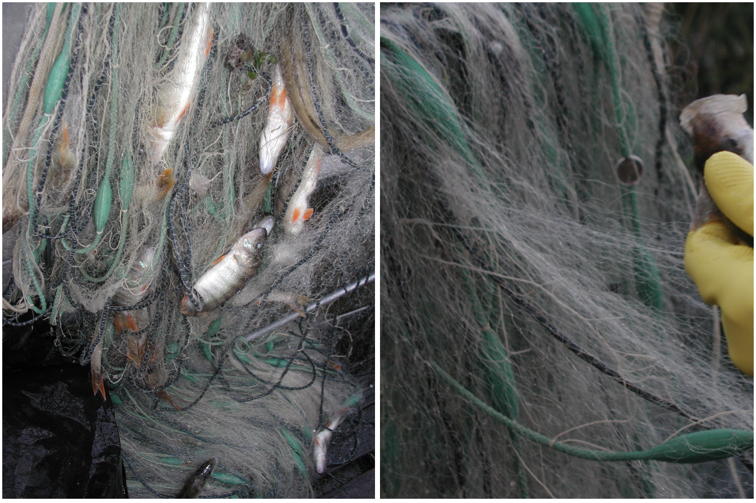
Together with experts and local net manufacturers, the nets will be developed for the respective target species [1]. Back in March 2024, the Bangladeshi Fisheries Minister announced the government’s intention to restrict the production of illegal fishing nets, including monofilament nets [2], which are mainly used for gillnets and which, once lost in the water, become the most dangerous type of ghost nets because fish easily get caught in the finespun but strong synthetic fabric, which does not decompose for many years.
Bangladesh could learn from Senegal’s mistakes
As in many structurally weak countries with widespread poverty, particularly in informal sectors such as artisanal fishing, the main problem is the enforcement of rules against the short-term interests of some stakeholders. Senegal is an illustrative example of this problem. The West African republic, considered one of the best governed countries on the continent, banned monofilament as early as 1987. Despite this law, which has since been confirmed twice, the use of monofilament nets is still widespread in artisanal fisheries [2], as I observed during the fair-fish project I led in Senegal almost 20 years ago. Fisheries officers are occasionally sent out to inspect fishing gear, but too often reportedly look the other way when they come across monofilament nets; there are even officers who are not sure whether monofilament has really been banned [3]. Even the director of Senegal’s marine fisheries authority recently tried to downplay the threat posed by abandoned gillnets to already depleted fish stocks: ‘We still have fish,’ he said, in contrast to the serious scientific evidence.
My own experiences with the local fisheries services were disappointing almost everywhere in Senegal. The officers in charge did not document the daily catches, so when they were asked for data by their superiors, if at all, they made it up, months or even years after the fact, giving the daily weighings to the nearest decimal point. They may not have neglected their work out of sheer laziness, but also under pressure from some fishermen or fishmongers.
Governments should invest in brave officers
However, I had the opportunity to befriend Eric, the then head of the fisheries service of one of the department in the Saloum, a remote region in the south of the country, from where all seconded civil servants, including doctors and teachers, tried to get a job in the capital Dakar as quickly as possible. Not so Eric. After being in charge of fisheries services at various points along the coast and having to leave again and again because he was performing his duties strictly, he ended up in the Saloum and knew that this was his last post. But even here he had trouble finding staff after two of his agents were severely beaten up in revenge for the confiscation of an irregular net.
Therefore, investing in local fisheries services to equip them with enough trained staff and adequate means of transport and communication is absolutely key to combating and preventing illegal fishing activities. Regulations alone will never do the job.
Title picture:
Permitted gillnet made of monofilament in use by a Swiss artisanal fisherman (credit: Billo Heinzpeter Studer)References:
[1] https://www.dhakatribune.com/bangladesh/370824/fisheries-adviser-farida-govt-to-regulate-size (thanks to ICSF for this link)
Suche:
Übersetzen · Translate
Alle Themen · All topics:
Stichwortliste · Keyword list
animal suffering Animal welfare artisanal fisheries ASC Badetourismus Betäubung Blauhai bottom trawl bycatch Canada Carefish/catch Catch Welfare Plattform certification Chile China Cod consumer attitudes Danio rerio Don Staniford Erderwärmung EU evolution fair-fish fair-fish database Fischfutter Fischkonsum Fischmehl Fischwohl Fischzucht FishEthoGroup fishing ban fish meal fish oil Fish stocks Fish welfare Gesellschaftsform global warming Greenpeace greenwashing Grossbritannien Hummer Humpback whale ICSF India Intelligenz Kleinfischerei Kognition krill Label labels Lachs Lachszucht Litopenaeus vannamei local communities Marine Protected Areas (MPA) max. 1x im Monat Melander microalgae migration Mittelmeer MSC Norway Oktopoden Omega-3 Ostsee Pacific whiteleg shrimp phytoplankton play Pole and line Rainer Froese RAS Ray Hilborn Reducing animal suffering Salmon Sandtigerhai Schweiz Scotland Senegal shrimps small-scale fisheries small scale fisheries stocking density Strand Strandschutz Swiss Shrimp Tierleid Tierschutz Tintenfische Tourismus trawler Tötung USA Wal Westafrika whales Whale shark whale song Zufall Überfischung ökologische Nische
Artikelarchiv · Articles by date
- Juni 2026
- Mai 2026
- April 2026
- März 2026
- Februar 2026
- Januar 2026
- Dezember 2025
- November 2025
- Oktober 2025
- September 2025
- August 2025
- Juli 2025
- Juni 2025
- März 2025
- Februar 2025
- Januar 2025
- Dezember 2024
- Juli 2024
- Juni 2024
- April 2024
- März 2024
- Februar 2024
- Dezember 2023
- November 2023
- Oktober 2023
- September 2023
- August 2023
- Juli 2023
- Januar 2023
- Oktober 2022
- September 2021
- Dezember 2019
- Dezember 2018
- August 2017
- November 2016
- Januar 2016
- Februar 2015
- Juni 2014
- Februar 2014
- Dezember 2013
- Januar 2013
- Mai 2012
- Dezember 2011
- März 2011
- Februar 2011
-
Licht und Lärm schaden den Fischen
Nicht nur die stete Erwärmung der Erde und gefährdet das aquatische Leben. Auch andere direkte Auswirkungen des zunehmenden Schiffsverkehrs, des Tourismus und weiterer industrieller Nutzungen machen den Wassertieren das Leben immer schwerer.
Die Verschmutzung der Gewässer durch Licht und Lärm schadet den Fischen. Das machen Studien an Korallenfischen vor der Insel Moorea in Französisch-Polynesien deutlich.
Stete künstliche Beleuchtung während der Nacht beeinträchtigt die Nachkommen der Fische und gefährdet damit langfristig den Bestand der betroffenen Arten. Zudem können beleuchtete Korallen eine höhere Anziehung auf bestimmte Fischarten ausüben, die sich dadurch in einem für ihre Art weniger günstigen Umfeld aufhalten.
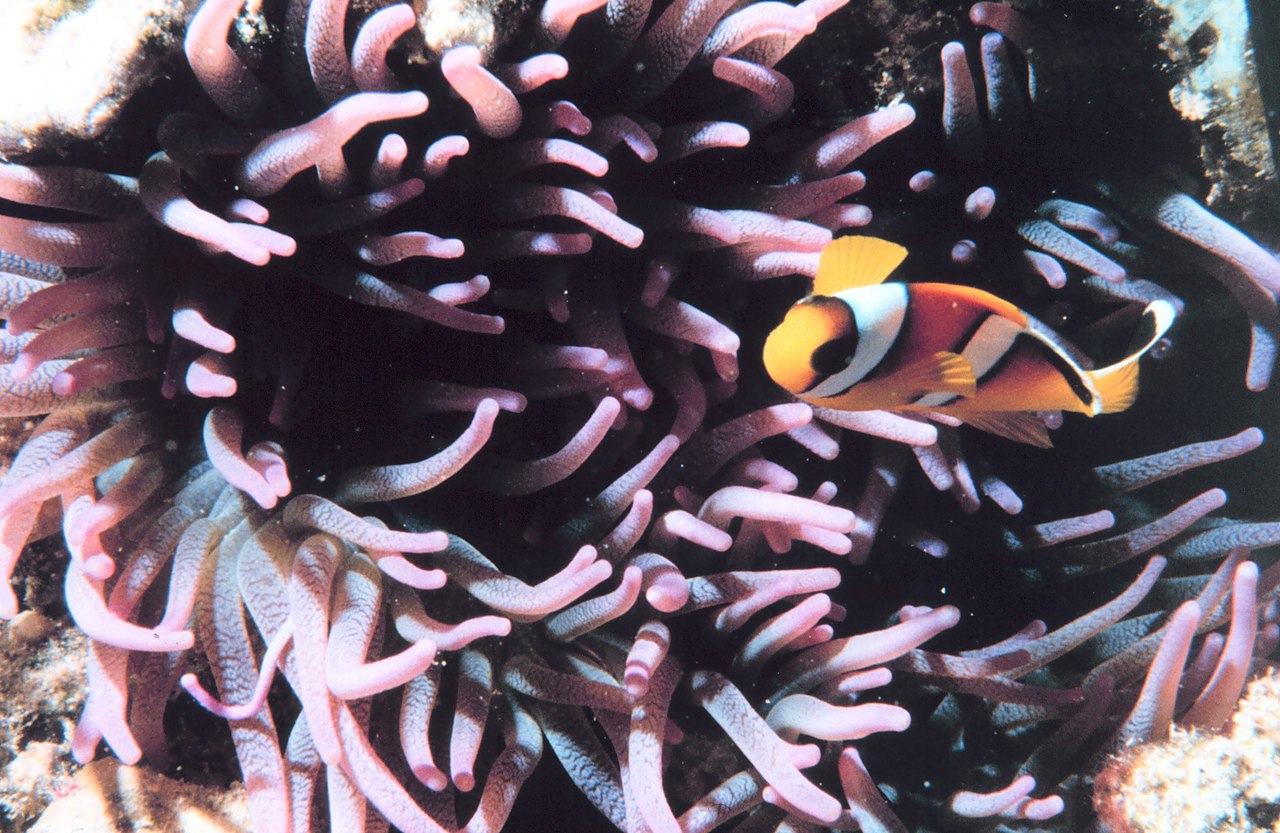
Steter Lärm von Motorbooten und Jetskis verändert den Hormonhaushalt und das Verhalten der untersuchten Fischarten. Anemonenfische verlassen ihren Schutz zwischen den Seeanemonen seltener und fressen daher weniger; die Männchen werden zudem aggressiver. Ähnliches beobachteten australische Forscher bei Stachelmakrelen, die ihre Eier in Korallenriffen ablegen und bewachen; Lärm beeinträchtigt nicht nur die elterliche Pflege, sondern auch die Entwicklung des Dottersacks der Larven.
Titelfoto:
Rotmeer-Anemonenfisch (Amphiprion bicinctus) in einer Lederanemone (Heteractis crispa) (Foto: NOOA / Wikimedia Commons)Quelle:
«Auch Korallenfische bevorzugen Ruhe»Suche:
Übersetzen · Translate
Alle Themen · All topics:
Stichwortliste · Keyword list
animal suffering Animal welfare artisanal fisheries ASC Badetourismus Betäubung Blauhai bottom trawl bycatch Canada Carefish/catch Catch Welfare Plattform certification Chile China Cod consumer attitudes Danio rerio Don Staniford Erderwärmung EU evolution fair-fish fair-fish database Fischfutter Fischkonsum Fischmehl Fischwohl Fischzucht FishEthoGroup fishing ban fish meal fish oil Fish stocks Fish welfare Gesellschaftsform global warming Greenpeace greenwashing Grossbritannien Hummer Humpback whale ICSF India Intelligenz Kleinfischerei Kognition krill Label labels Lachs Lachszucht Litopenaeus vannamei local communities Marine Protected Areas (MPA) max. 1x im Monat Melander microalgae migration Mittelmeer MSC Norway Oktopoden Omega-3 Ostsee Pacific whiteleg shrimp phytoplankton play Pole and line Rainer Froese RAS Ray Hilborn Reducing animal suffering Salmon Sandtigerhai Schweiz Scotland Senegal shrimps small-scale fisheries small scale fisheries stocking density Strand Strandschutz Swiss Shrimp Tierleid Tierschutz Tintenfische Tourismus trawler Tötung USA Wal Westafrika whales Whale shark whale song Zufall Überfischung ökologische Nische
Artikelarchiv · Articles by date
- Juni 2026
- Mai 2026
- April 2026
- März 2026
- Februar 2026
- Januar 2026
- Dezember 2025
- November 2025
- Oktober 2025
- September 2025
- August 2025
- Juli 2025
- Juni 2025
- März 2025
- Februar 2025
- Januar 2025
- Dezember 2024
- Juli 2024
- Juni 2024
- April 2024
- März 2024
- Februar 2024
- Dezember 2023
- November 2023
- Oktober 2023
- September 2023
- August 2023
- Juli 2023
- Januar 2023
- Oktober 2022
- September 2021
- Dezember 2019
- Dezember 2018
- August 2017
- November 2016
- Januar 2016
- Februar 2015
- Juni 2014
- Februar 2014
- Dezember 2013
- Januar 2013
- Mai 2012
- Dezember 2011
- März 2011
- Februar 2011
-
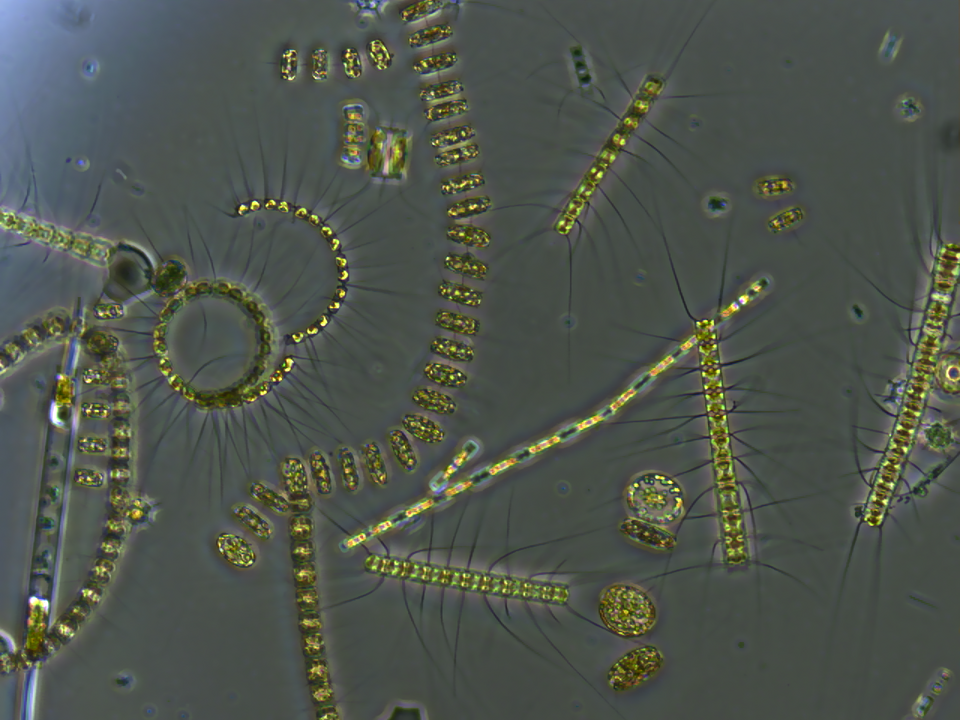
Plankton, the unnoticed source of life
95% of the planet’s biomass is invisible to the naked eye, and most of it is plankton, very tiny plants (phytoplankton such as microalgae) and animals (zooplantkon such as copepods) that live in the water surface area. Microalgae not only form the base of the aquatic food web, but are also the most important origin of the air we breathe (half of the world’s oxygen is produced by microalgae) and of climate stability (half of the global carbon dioxide is absorbed by microalgae).
(mehr …)Suche:
Übersetzen · Translate
Alle Themen · All topics:
Stichwortliste · Keyword list
animal suffering Animal welfare artisanal fisheries ASC Badetourismus Betäubung Blauhai bottom trawl bycatch Canada Carefish/catch Catch Welfare Plattform certification Chile China Cod consumer attitudes Danio rerio Don Staniford Erderwärmung EU evolution fair-fish fair-fish database Fischfutter Fischkonsum Fischmehl Fischwohl Fischzucht FishEthoGroup fishing ban fish meal fish oil Fish stocks Fish welfare Gesellschaftsform global warming Greenpeace greenwashing Grossbritannien Hummer Humpback whale ICSF India Intelligenz Kleinfischerei Kognition krill Label labels Lachs Lachszucht Litopenaeus vannamei local communities Marine Protected Areas (MPA) max. 1x im Monat Melander microalgae migration Mittelmeer MSC Norway Oktopoden Omega-3 Ostsee Pacific whiteleg shrimp phytoplankton play Pole and line Rainer Froese RAS Ray Hilborn Reducing animal suffering Salmon Sandtigerhai Schweiz Scotland Senegal shrimps small-scale fisheries small scale fisheries stocking density Strand Strandschutz Swiss Shrimp Tierleid Tierschutz Tintenfische Tourismus trawler Tötung USA Wal Westafrika whales Whale shark whale song Zufall Überfischung ökologische Nische
Artikelarchiv · Articles by date
- Juni 2026
- Mai 2026
- April 2026
- März 2026
- Februar 2026
- Januar 2026
- Dezember 2025
- November 2025
- Oktober 2025
- September 2025
- August 2025
- Juli 2025
- Juni 2025
- März 2025
- Februar 2025
- Januar 2025
- Dezember 2024
- Juli 2024
- Juni 2024
- April 2024
- März 2024
- Februar 2024
- Dezember 2023
- November 2023
- Oktober 2023
- September 2023
- August 2023
- Juli 2023
- Januar 2023
- Oktober 2022
- September 2021
- Dezember 2019
- Dezember 2018
- August 2017
- November 2016
- Januar 2016
- Februar 2015
- Juni 2014
- Februar 2014
- Dezember 2013
- Januar 2013
- Mai 2012
- Dezember 2011
- März 2011
- Februar 2011
-
Just give up shark liver oil
Instead of following a sensible lifestyle, some people who can afford the price and the thoughtlessness are buying shark liver oil products as a dietary supplement to “treat multiple ailments, including wounds, cancer, heart disease, and infertility“. Research is said to have shown ‚health benefits [thanks] to its high alkylglycerol (AKG), squalene, and omega-3 polyunsaturated fatty acid (PUFA, among which Omega-3) content‘ [1].
Squalene plays a role in topical skin lubrication and protection [2] and was first extracted from the liver of sharks (Squalus), hence its name, but is produced by most living organisms. However, the highest squalene content is found in the liver of sharks, especially deepwater sharks and rays whose stocks are therefore overfished, with half of the target species threatened with extinction, according to a recent study [3]. The authors call for ‚immediate trade and fishing regulations‘ to prevent irreversible damage to deepwater species which are especially sensitive to overexploitation due to their late and slow reproduction.
What you can do
If you are looking for a product that contains squalene, make sure it does not contain shark liver oil from.
And since we’re already talking about it, prefer Omega-3 products made from algae over those made from fish or krill.
Title picture:
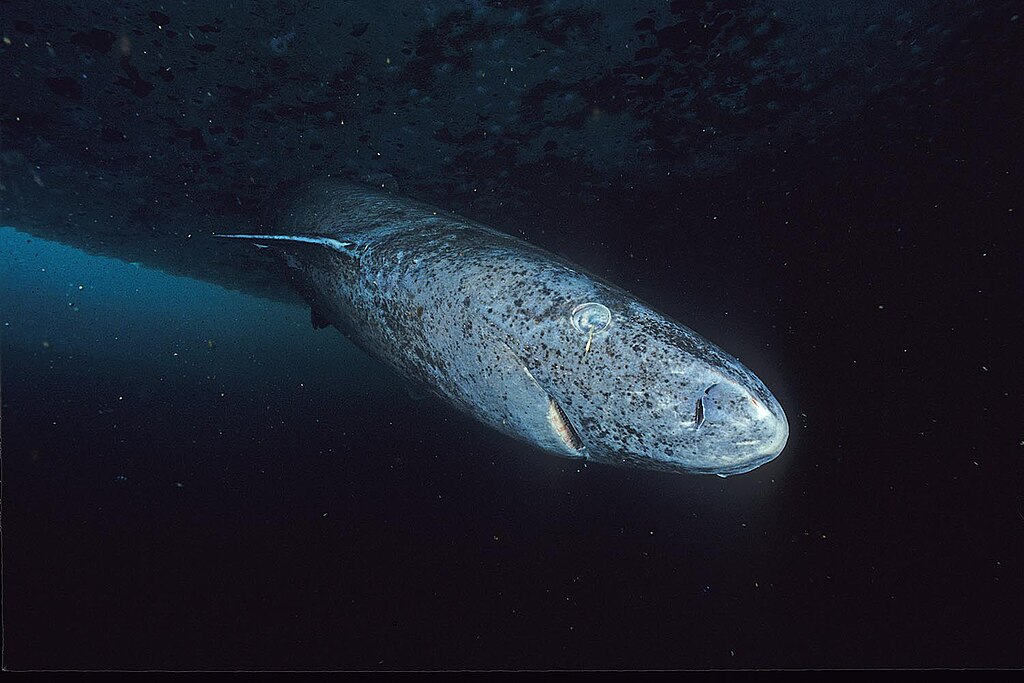
The enigmatic Greenland shark (credit: Hemming1952 / Wikimedia Commons)
Find the review of a book on this species, in German: http://billo.ch/blog/?p=2313
References:
[1] Shark Liver Oil: Benefits, Uses, and Side Effects
[2] Squalene
[3] Fishing for oil and meat drives irreversible defaunation of deepwater sharks and rays
Suche:
Übersetzen · Translate
Alle Themen · All topics:
Stichwortliste · Keyword list
animal suffering Animal welfare artisanal fisheries ASC Badetourismus Betäubung Blauhai bottom trawl bycatch Canada Carefish/catch Catch Welfare Plattform certification Chile China Cod consumer attitudes Danio rerio Don Staniford Erderwärmung EU evolution fair-fish fair-fish database Fischfutter Fischkonsum Fischmehl Fischwohl Fischzucht FishEthoGroup fishing ban fish meal fish oil Fish stocks Fish welfare Gesellschaftsform global warming Greenpeace greenwashing Grossbritannien Hummer Humpback whale ICSF India Intelligenz Kleinfischerei Kognition krill Label labels Lachs Lachszucht Litopenaeus vannamei local communities Marine Protected Areas (MPA) max. 1x im Monat Melander microalgae migration Mittelmeer MSC Norway Oktopoden Omega-3 Ostsee Pacific whiteleg shrimp phytoplankton play Pole and line Rainer Froese RAS Ray Hilborn Reducing animal suffering Salmon Sandtigerhai Schweiz Scotland Senegal shrimps small-scale fisheries small scale fisheries stocking density Strand Strandschutz Swiss Shrimp Tierleid Tierschutz Tintenfische Tourismus trawler Tötung USA Wal Westafrika whales Whale shark whale song Zufall Überfischung ökologische Nische
Artikelarchiv · Articles by date
- Juni 2026
- Mai 2026
- April 2026
- März 2026
- Februar 2026
- Januar 2026
- Dezember 2025
- November 2025
- Oktober 2025
- September 2025
- August 2025
- Juli 2025
- Juni 2025
- März 2025
- Februar 2025
- Januar 2025
- Dezember 2024
- Juli 2024
- Juni 2024
- April 2024
- März 2024
- Februar 2024
- Dezember 2023
- November 2023
- Oktober 2023
- September 2023
- August 2023
- Juli 2023
- Januar 2023
- Oktober 2022
- September 2021
- Dezember 2019
- Dezember 2018
- August 2017
- November 2016
- Januar 2016
- Februar 2015
- Juni 2014
- Februar 2014
- Dezember 2013
- Januar 2013
- Mai 2012
- Dezember 2011
- März 2011
- Februar 2011
-
Today is Seagrass Day, but maybe not tomorrow…
Seagrass meadows are an important part of the vulnerable ecosystem between water and land, a habitat for many species and especially for their offspring. But seagrass meadows have become increasingly endangered along many shores which in turn lose the protection against erosion provided by seagrass roots.
A 30-year-study [1] reveals poor prospects for seagrass meadows. With sea levels rising everywhere, seagrass meadows which grow in shallow water only get increasingly drowned, and many of the new shallow areas along the beaches where seagrass could move to are already occupied by human activities like beach tourism, settlements, harbours, industry, etc.
While seagrass meadows are vanishing at a rate of 7% per year, scientists and conservationists are trying to restore seagrass [2]. Human ingenuity seems to be almost unlimited. However, as sea levels continue to rise, what we need first of all is the allocation of an almost unlimited share of the newly formed shallow areas—where else would we want to restore seagrass?
Picture:
Seagrass meadow (Posidonia oceanica) (credit: Milorad Mikota / Wikimedia Commons)
References:
[1] Rapid sea level rise causes loss of seagrass meadows
[2] A successful method to restore seagrass habitats in coastal areas affected by consecutive natural events
See also (in German) about the Majorcan example in preserving seagrass meadows
Suche:
Übersetzen · Translate
Alle Themen · All topics:
Stichwortliste · Keyword list
animal suffering Animal welfare artisanal fisheries ASC Badetourismus Betäubung Blauhai bottom trawl bycatch Canada Carefish/catch Catch Welfare Plattform certification Chile China Cod consumer attitudes Danio rerio Don Staniford Erderwärmung EU evolution fair-fish fair-fish database Fischfutter Fischkonsum Fischmehl Fischwohl Fischzucht FishEthoGroup fishing ban fish meal fish oil Fish stocks Fish welfare Gesellschaftsform global warming Greenpeace greenwashing Grossbritannien Hummer Humpback whale ICSF India Intelligenz Kleinfischerei Kognition krill Label labels Lachs Lachszucht Litopenaeus vannamei local communities Marine Protected Areas (MPA) max. 1x im Monat Melander microalgae migration Mittelmeer MSC Norway Oktopoden Omega-3 Ostsee Pacific whiteleg shrimp phytoplankton play Pole and line Rainer Froese RAS Ray Hilborn Reducing animal suffering Salmon Sandtigerhai Schweiz Scotland Senegal shrimps small-scale fisheries small scale fisheries stocking density Strand Strandschutz Swiss Shrimp Tierleid Tierschutz Tintenfische Tourismus trawler Tötung USA Wal Westafrika whales Whale shark whale song Zufall Überfischung ökologische Nische
Artikelarchiv · Articles by date
- Juni 2026
- Mai 2026
- April 2026
- März 2026
- Februar 2026
- Januar 2026
- Dezember 2025
- November 2025
- Oktober 2025
- September 2025
- August 2025
- Juli 2025
- Juni 2025
- März 2025
- Februar 2025
- Januar 2025
- Dezember 2024
- Juli 2024
- Juni 2024
- April 2024
- März 2024
- Februar 2024
- Dezember 2023
- November 2023
- Oktober 2023
- September 2023
- August 2023
- Juli 2023
- Januar 2023
- Oktober 2022
- September 2021
- Dezember 2019
- Dezember 2018
- August 2017
- November 2016
- Januar 2016
- Februar 2015
- Juni 2014
- Februar 2014
- Dezember 2013
- Januar 2013
- Mai 2012
- Dezember 2011
- März 2011
- Februar 2011
-
Fragiles Gleichgewicht zwischen Kelp und Seeigeln

Ein Wald des Riesenkelp. Diese Tangart kann unter idealen Bedingungen bis zu einem halben Meter pro Tag wachsen. (Foto: Monterey Bay National Marine Sanctuary, NOAA / Wikimedia Commons) Wie komplex das Nahrungsnetz im Meer geknüpft ist, zeigt das Wechselspiel zwischen Kelp und Seeigeln, Seesternen und Seeottern.
(mehr …)Suche:
Übersetzen · Translate
Alle Themen · All topics:
Stichwortliste · Keyword list
animal suffering Animal welfare artisanal fisheries ASC Badetourismus Betäubung Blauhai bottom trawl bycatch Canada Carefish/catch Catch Welfare Plattform certification Chile China Cod consumer attitudes Danio rerio Don Staniford Erderwärmung EU evolution fair-fish fair-fish database Fischfutter Fischkonsum Fischmehl Fischwohl Fischzucht FishEthoGroup fishing ban fish meal fish oil Fish stocks Fish welfare Gesellschaftsform global warming Greenpeace greenwashing Grossbritannien Hummer Humpback whale ICSF India Intelligenz Kleinfischerei Kognition krill Label labels Lachs Lachszucht Litopenaeus vannamei local communities Marine Protected Areas (MPA) max. 1x im Monat Melander microalgae migration Mittelmeer MSC Norway Oktopoden Omega-3 Ostsee Pacific whiteleg shrimp phytoplankton play Pole and line Rainer Froese RAS Ray Hilborn Reducing animal suffering Salmon Sandtigerhai Schweiz Scotland Senegal shrimps small-scale fisheries small scale fisheries stocking density Strand Strandschutz Swiss Shrimp Tierleid Tierschutz Tintenfische Tourismus trawler Tötung USA Wal Westafrika whales Whale shark whale song Zufall Überfischung ökologische Nische
Artikelarchiv · Articles by date
- Juni 2026
- Mai 2026
- April 2026
- März 2026
- Februar 2026
- Januar 2026
- Dezember 2025
- November 2025
- Oktober 2025
- September 2025
- August 2025
- Juli 2025
- Juni 2025
- März 2025
- Februar 2025
- Januar 2025
- Dezember 2024
- Juli 2024
- Juni 2024
- April 2024
- März 2024
- Februar 2024
- Dezember 2023
- November 2023
- Oktober 2023
- September 2023
- August 2023
- Juli 2023
- Januar 2023
- Oktober 2022
- September 2021
- Dezember 2019
- Dezember 2018
- August 2017
- November 2016
- Januar 2016
- Februar 2015
- Juni 2014
- Februar 2014
- Dezember 2013
- Januar 2013
- Mai 2012
- Dezember 2011
- März 2011
- Februar 2011