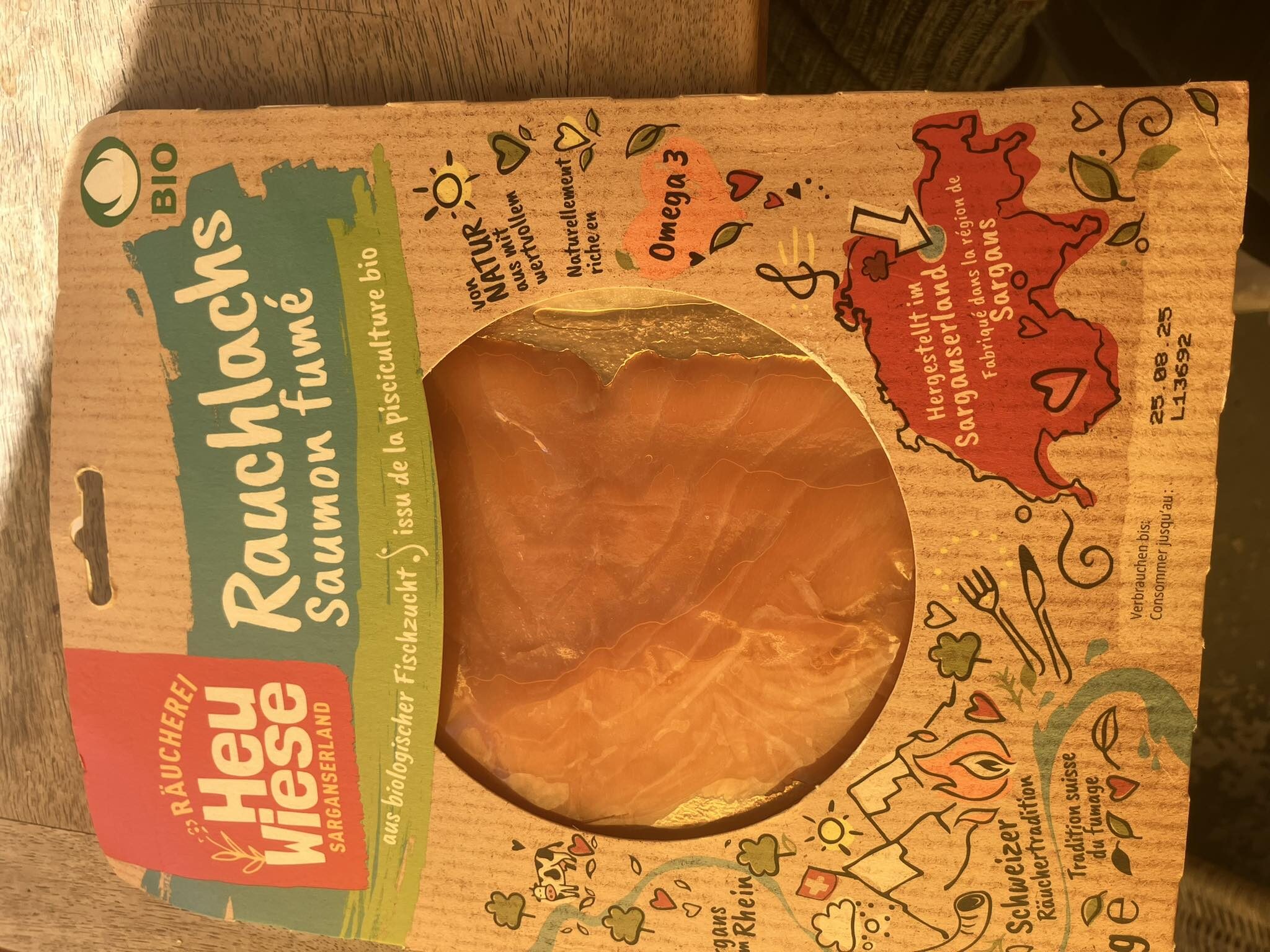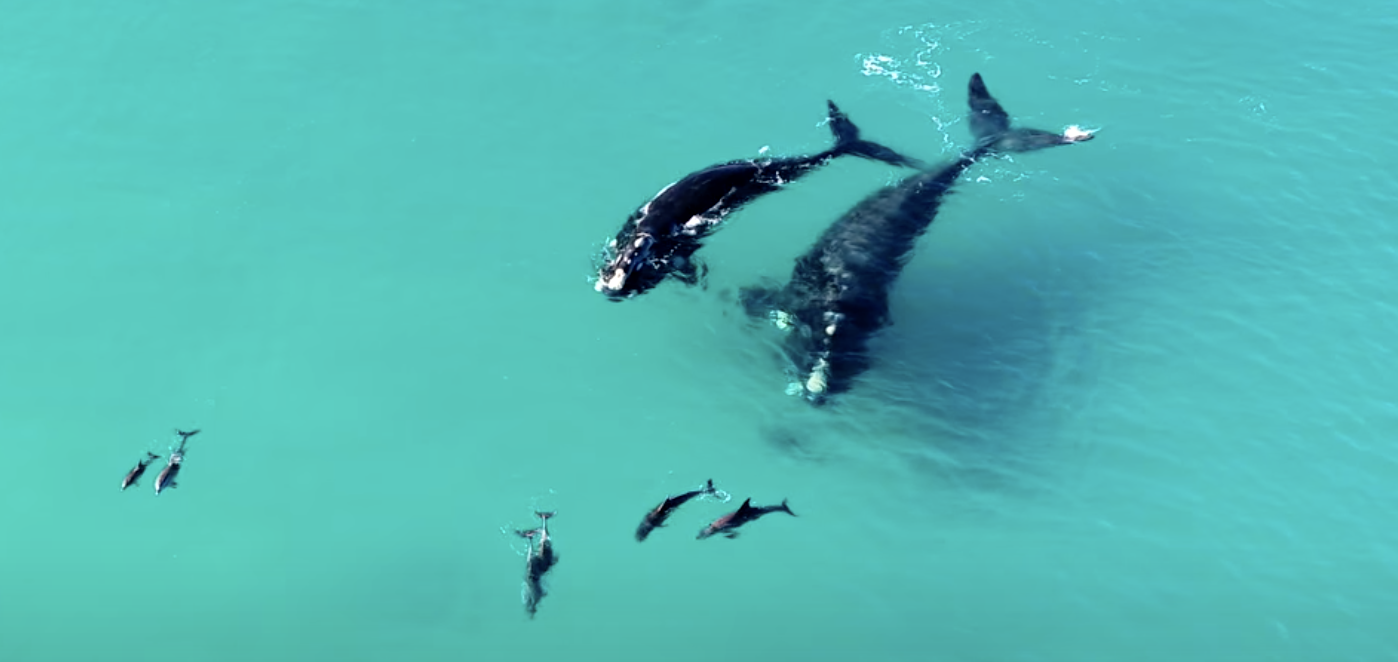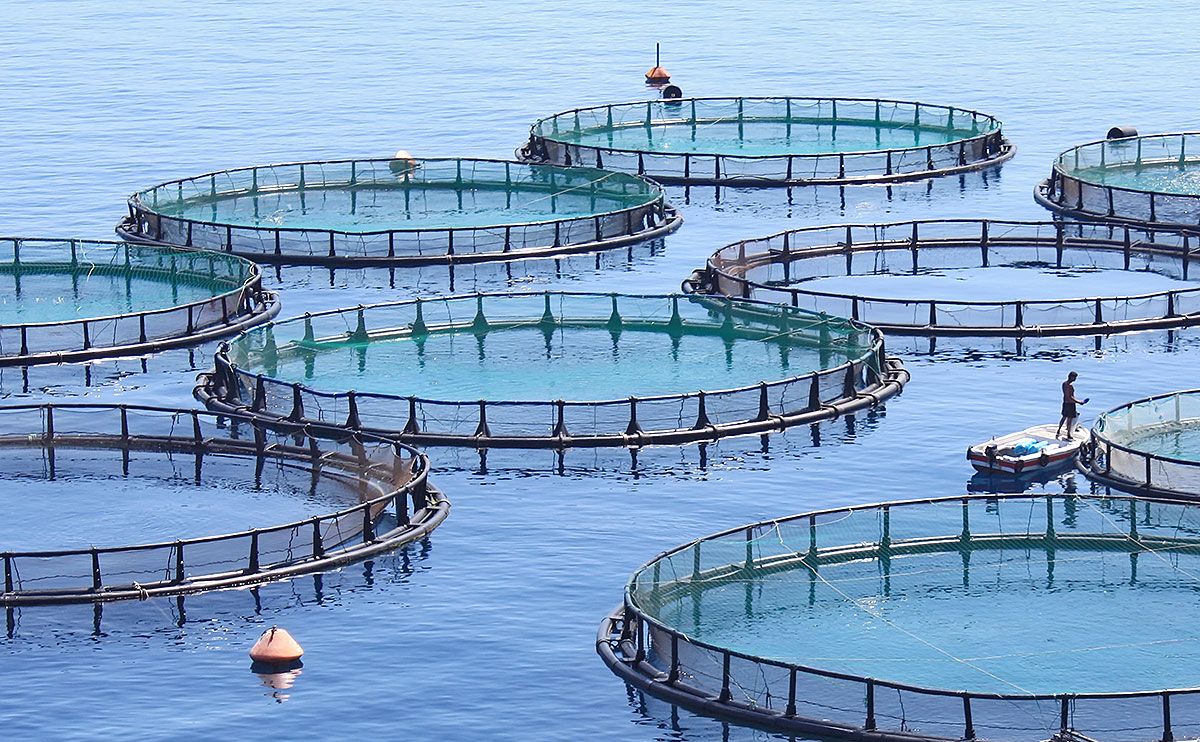
Der in der NZZ am 18. Januar 2025 publizierte «Leitfaden für einen nachhaltigen Fischkonsum» [1] enthält ein paar Informationen, die bewusst Konsumierende leicht in die Irre führen könnten. Ich erlaube mir daher ein paar Hinweise.
(mehr …)think.fish blog
-

Science snippets
#1: Your ear, like the ears of all mammals, has its origin in the gills of ancient fishes
More…#2: Ancient molluscs were more complex and adaptable than previously assumed, as a study of discovered fossils shows.
More…#3: You may think that your skeleton is rigid, but the cells in your bones are constantly being destroyed and rebuilt. You have inherited this fascinating ability from a very old fish, the Astraspis, which lived 460 million years ago.
More…#4: The Bigmouth buffalo, a carp-like species that lives in North American lakes, can grow to be over 100 cm long and 100 years old. Studies show that ageing does not affect the fitness of this species. However, researchers are also wondering why they hardly find any younger specimens and fear that the species could become extinct.
More…#5: Despite all conservation efforts, shark populations in the Mediterranean are still declining.
More…#6: Microplastics in the sea are a problem that you touch with your tongue and intestines when you eat seafood, a new study shows.
More… -

Licht und Lärm schaden den Fischen
Nicht nur die stete Erwärmung der Erde und gefährdet das aquatische Leben. Auch andere direkte Auswirkungen des zunehmenden Schiffsverkehrs, des Tourismus und weiterer industrieller Nutzungen machen den Wassertieren das Leben immer schwerer.
Die Verschmutzung der Gewässer durch Licht und Lärm schadet den Fischen. Das machen Studien an Korallenfischen vor der Insel Moorea in Französisch-Polynesien deutlich.
Stete künstliche Beleuchtung während der Nacht beeinträchtigt die Nachkommen der Fische und gefährdet damit langfristig den Bestand der betroffenen Arten. Zudem können beleuchtete Korallen eine höhere Anziehung auf bestimmte Fischarten ausüben, die sich dadurch in einem für ihre Art weniger günstigen Umfeld aufhalten.
Steter Lärm von Motorbooten und Jetskis verändert den Hormonhaushalt und das Verhalten der untersuchten Fischarten. Anemonenfische verlassen ihren Schutz zwischen den Seeanemonen seltener und fressen daher weniger; die Männchen werden zudem aggressiver. Ähnliches beobachteten australische Forscher bei Stachelmakrelen, die ihre Eier in Korallenriffen ablegen und bewachen; Lärm beeinträchtigt nicht nur die elterliche Pflege, sondern auch die Entwicklung des Dottersacks der Larven.
Titelfoto:
Rotmeer-Anemonenfisch (Amphiprion bicinctus) in einer Lederanemone (Heteractis crispa) (Foto: NOOA / Wikimedia Commons)Quelle:
«Auch Korallenfische bevorzugen Ruhe» -
Food for thought and sharing

Fish once a month max — here’s the reason why.
-
Zum Nachdenken und Weitergeben

Max. 1x pro Monat Fisch auf den Tisch – mehr dazu hier.
-

Whale and Shark whale news
#1: Long-distance swimming whale
We know so little about life in the oceans. We find that a Humpback whale (Megaptera novaeangliae) did travel from the west coast of Latin America to the east coast of Africa, i.e. more than 13,000 kilometer, an extraoridnary long migration for an individual of this species, scientists say and puzzle over what could have caused this whale to go that far — mental confusion? desperately looking for a mating partner? However, we should also envisage that this individual behaviour is not so exceptional. The long-distance swimmer has been detected thanks to a new fluke recognition software, so, more long-distant travelling conspecifics could be detected in future.
More…#2 Whale sharks (and not only them) threatened by deep-sea mining
We know so little about life in the deep sea and what will happen when the industry starts digging there. Just one example: The Sea of Cortez between the Baja California peninsula and the Mexican mainland is one of the few hotspots for whale sharks known to migrate in the Pacific and also dive in the zone around Clarion-Clipperton Island, a key area for deep-sea mining in the Pacific. Whatever happens there will have its consequences in the Sea of Cortez, 2000 kilometres to the north, where global warming is threatening marine life and posing challenges not only to the whale sharks but also to local fishermen and people who live from tourism. This is one example of why the organisation ‘The Ocean and Us’ has launched its petition ‚to call on all governments to take a firm position against deep-sea mining‘.
More… -

Industry news
#1 Wild catch volumes recover, markets stagnate
An outlook [1] from the UN Food and Agriculture Organisation (FAO) for 2024 predicts a slight increase in fisheries yields of 1.1%, while aquaculture is expected to grow by 3.1%, supported by a downward trend in fish meal and fish oil prices. On the other hand, the value of global trade in fish and seafood is expected to fall by 1.2%, although the volume will continue to increase by an estimated 1.0%.
(mehr …) -
Fish welfare: what should we aim for?

Graph by the author, based on the fair-fish database Resources are, as always, limited. Should we then invest in improving some details in the lives of over 500 farmed aquatic animal species, most of which are known not being able to experience welfare in captivity anyway? Or should we rather focus on the few species that possibly may thrive under improved farming conditions?
(mehr …) -

Plankton, the unnoticed source of life
95% of the planet’s biomass is invisible to the naked eye, and most of it is plankton, very tiny plants (phytoplankton such as microalgae) and animals (zooplantkon such as copepods) that live in the water surface area. Microalgae not only form the base of the aquatic food web, but are also the most important origin of the air we breathe (half of the world’s oxygen is produced by microalgae) and of climate stability (half of the global carbon dioxide is absorbed by microalgae).
Furthermore, the much-praised long-chain omega-3 fatty acids found in fish originate from plankton and are only enriched in fish along the food web. If you are looking for pure long-chain omega-3 fatty acids, you do not necessarily have to eat a lot of fish; you can simply take microalgae-based capsules.
Pierre Mollo, a French researcher and teacher of marine biology, has dedicated his entire life to plankton. In his twenties, when films about marine life made a splash, he asked film-makers why they limited themselves to whales, sharks, turtles, and schools of fishes instead of showing the much bigger part of the picture. Eventually, he began filming himself through the lense of his microscope to bring people closer to the fantastic diversity and beauty of plankton. Vulgarisation was also his goal when Mollo founded Océanopolis, the planton observatory in Brest, twenty years ago.
Title picture:
Phytoplankton (credit: Stephanie Anderson / Wikimedia Commons)Reference:
Pierre Mollo and his Océanopolis
In order to be less dependent on social media, whose owners pursue their own private goals, think.fish posts will first appear on our own blog.
Summaries with a link to our blog will be posted on Facebook, LinkedIn, Substack, Bluesky, Telegram, Mastodon, and Instagram.
Suche:
Übersetzen · Translate
Alle Themen · All topics:
Stichwortliste · Keyword list
advertisement animal suffering Animal welfare artisanal fisheries Betriebsschliessung Betäubung Blauhai bottom trawl bycatch Canada Carefish/catch Catch Welfare Plattform certification Chile China Danio rerio Don Staniford Erderwärmung Ethologie EU EU-Kommission evolution fair-fish fair-fish database Fischfutter Fischmehl Fischwohl Fischzucht Fischzucht Balterswil FishEthoGroup fishing ban fish meal fish oil Fish stocks Fish welfare Greenpeace greenwashing Grossbritannien human-animal interaction Humane League Humane Schlachtung humane slaughter Humpback whale ICSF Intelligenz Kantonstierarzt Kognition Korea labels Lachs Lachszucht Landwirtschaft Litopenaeus vannamei Marine Protected Areas (MPA) Massentötung Melander microalgae Newfoundland Norway Norwegen Notfallplan Octopus Oktopoden Omega-3 Pacific whiteleg shrimp phytoplankton piano play Plünderung Pole and line RAS Ray Hilborn recovery Reducing animal suffering respect Salmon Sandtigerhai Schweiz Scotland Seesterne Senegal shrimps small-scale fisheries small scale fisheries Stellvertretung stocking density Swiss Shrimp Thurgau Tierleid Tierschutz Tintenfische training trawler Umfrage Vortrag Wale Westafrika whales Whale shark Überfischung
Artikelarchiv · Articles by date
- Januar 2026
- Dezember 2025
- November 2025
- Oktober 2025
- September 2025
- August 2025
- Juli 2025
- Juni 2025
- März 2025
- Februar 2025
- Januar 2025
- Dezember 2024
- Juli 2024
- April 2024
- März 2024
- Dezember 2023
- November 2023
- Oktober 2023
- September 2023
- August 2023
- Juli 2023
- Januar 2023
- Oktober 2022
- September 2021
- Dezember 2019
- Dezember 2018
- August 2017
- November 2016
- Dezember 2013
- Dezember 2011