think.fish blog

  • Der tägliche Wahnsinn

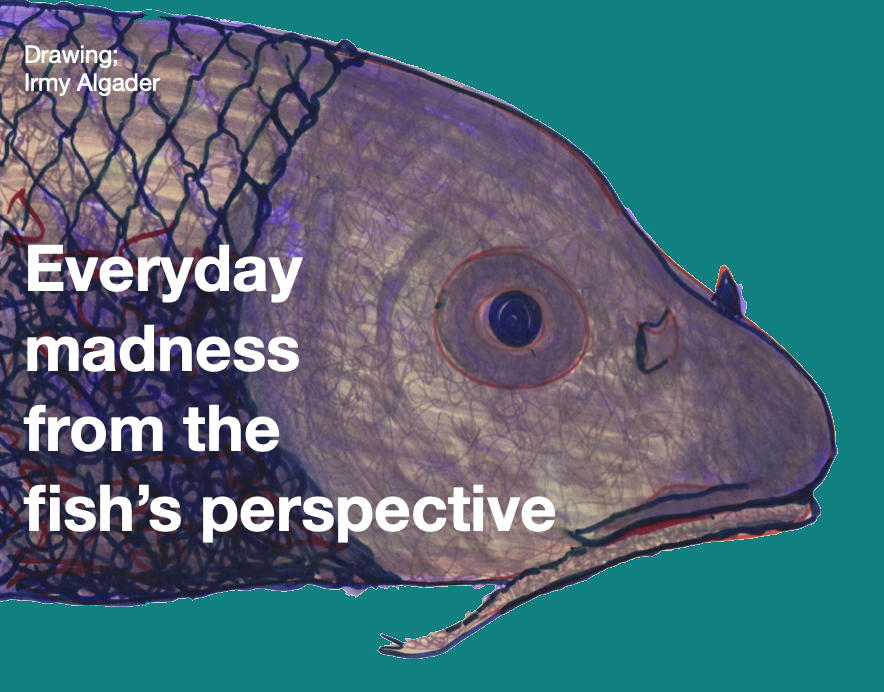
    Der tägliche Wahnsinn

    Notizen aus der Welt unter Wasser

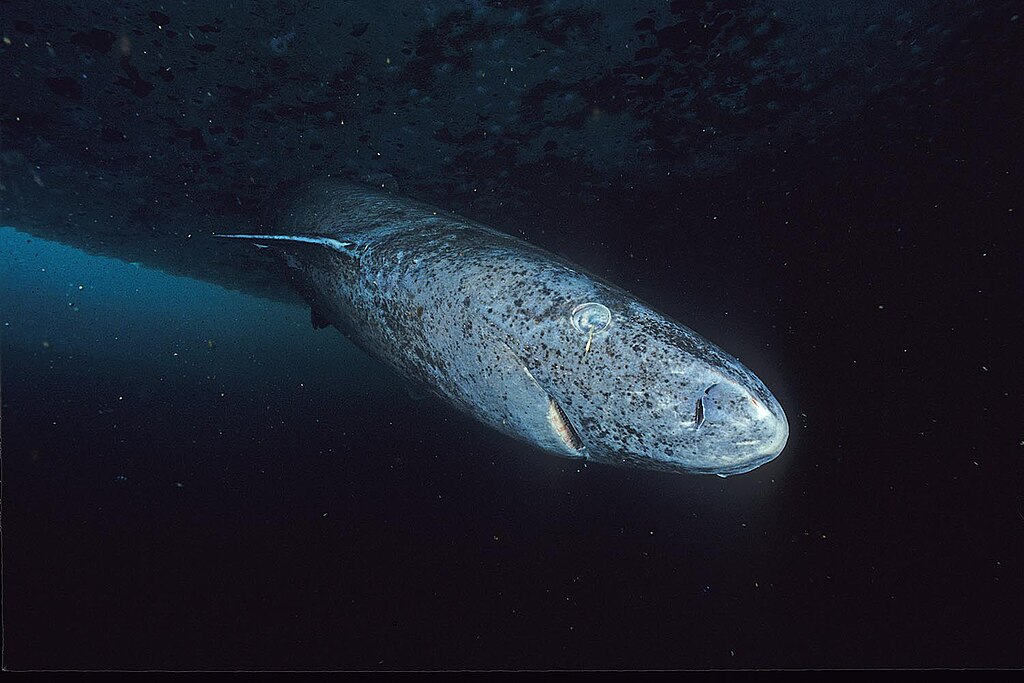
    Die Tierschutzkommission der britischen Regierung verlangt einen besseren gesetzlichen Schutz von Fischen während des Schlachtprozesses, dem jährlich 77 Millionen Fische in der Aquakultur zugeführt werden, vor allem Lachse in schottischen Zuchten. Nur Hühner müssen in Grossbritannien in noch grössere Zahl dran glauben.

    (mehr …)
  • Is there any justifiable way of shrimp farming?

    Is there any justifiable way of shrimp farming?

    In the post ‚Is there animal welfare for shrimps?‘ of 05.08.2023 [1] I mentioned that there are a few ’shrimp farmers who really try hard to do the best, also for the animals‘. I have known the company SwissShrimp.ch since its beginnings; if farming shrimps at all, then like this, I have already been quoted as saying.

    (mehr …)
  • Is there animal welfare for shrimps?

    Is there animal welfare for shrimps?

    A study [1] published in 2022 concludes that ’still little is known about some key parameters related to the five welfare dimensions, as they might be applied to penaeid shrimp‘ — in stark contrast to the knowledge on nutritional needs, stress physiology, immunology and disease control in shrimp farming.

    (mehr …)
  • Attitudes towards animals can be changed — but how?

    Attitudes towards animals can be changed — but how?

    In his recent newsletter [1], Lewis Bollard, farm animal welfare programme officer at Open Philanthropy, makes a very interesting point. Starting with the question of why humans love some animals while disregarding or mistreating others, Lewis cites several studies that show an astonishingly small difference in the importance people place on the welfare of farm or companion animals — in world regions as diverse as North America, Latin America, Africa, Asia, Oceania, and Europe. In countries such as Sudan or Bangladesh, people even place slightly more importance on the welfare of farm animals.

    (mehr …)
  • Comfortable life has a cost

    Zebrafish (Drawing: F. Hamliton, 1822 / Wikimedia Commons)

    To survive, a living being must be able to adapt to its environment. A clever experiment with zebrafishes shows that a comfortable life costs adaptability.

    (mehr …)
  • Bequemes Leben kostet

    Zebrafisch (Zeichnung: F. Hamilton, 1822 / Wikimedia Commons)

    Um zu überleben, muss sich ein Lebewesen an seine Umwelt anpassen können. Ein kluges Experiment mit Zebrafischen zeigt: Ein bequemes Leben kostet Anpassungsfähigkeit.

    (mehr …)
  • Fragiles Gleichgewicht zwischen Kelp und Seeigeln

    Ein Wald des Riesenkelp. Diese Tangart kann unter idealen Bedingungen bis zu einem halben Meter pro Tag wachsen. (Foto: Monterey Bay National Marine Sanctuary, NOAA / Wikimedia Commons)

    Wie komplex das Nahrungsnetz im Meer geknüpft ist, zeigt das Wechselspiel zwischen Kelp und Seeigeln, Seesternen und Seeottern.

    (mehr …)
  • Can animal behaviour change an ocean, even a planet?

    Laggania Cambrian, a species of the extinct Cambrian Anomalocarididae family (Model created by Espen Horn / Wikimedia Commons)

    Did increasing oxygen levels provoke the explosive development of the animal kingdom in the Cambrium, or did changes in the behaviour of animals produce more oxygen?

    (mehr …)
  • An der Überfischung im Senegal trägt Europa nur einen Teil der Schuld

    Fischerhafen von Kayar, Senegal, 2005 (Foto: Billo HP. Studer)

    Es ist ein beliebtes Bild im Senegal und unter europäischen NGOs, dass europäische Fangschiffen die Schuld tragen an der Erschöpfung der senegalesischen Fischbestände. Die Realität ist wesentlich komplexer.

    (mehr …)
  • Afrika soll Fische züchten – für die Welt

    Fischzucht in Uganda (Foto: Mohsen87taha / Wikimedia)

    Afrikas Schicksal ist es seit Jahrhunderten, von Ländern und Firmen aus Übersee ausgebeutet zu werden. Auch nach dem offiziellen Ende des Kolonialismus hat sich wenig daran geändert, wie die Geschichte des weltweiten Fischhandels zeigt. Und es deutet vieles darauf hin, dass dies auch so bleiben soll, wenn Afrika im grossen Stil in die Fischzucht einsteigt.

    (mehr …)

In order to be less dependent on social media, whose owners pursue their own private goals, think.fish posts will first appear on our own blog
Summaries with a link to our blog will be posted on Facebook, LinkedIn, Substack, Bluesky, Telegram, Mastodon, and Instagram.

Suche:

Übersetzen · Translate

Alle Themen · All topics:


Artikelarchiv · Articles by date