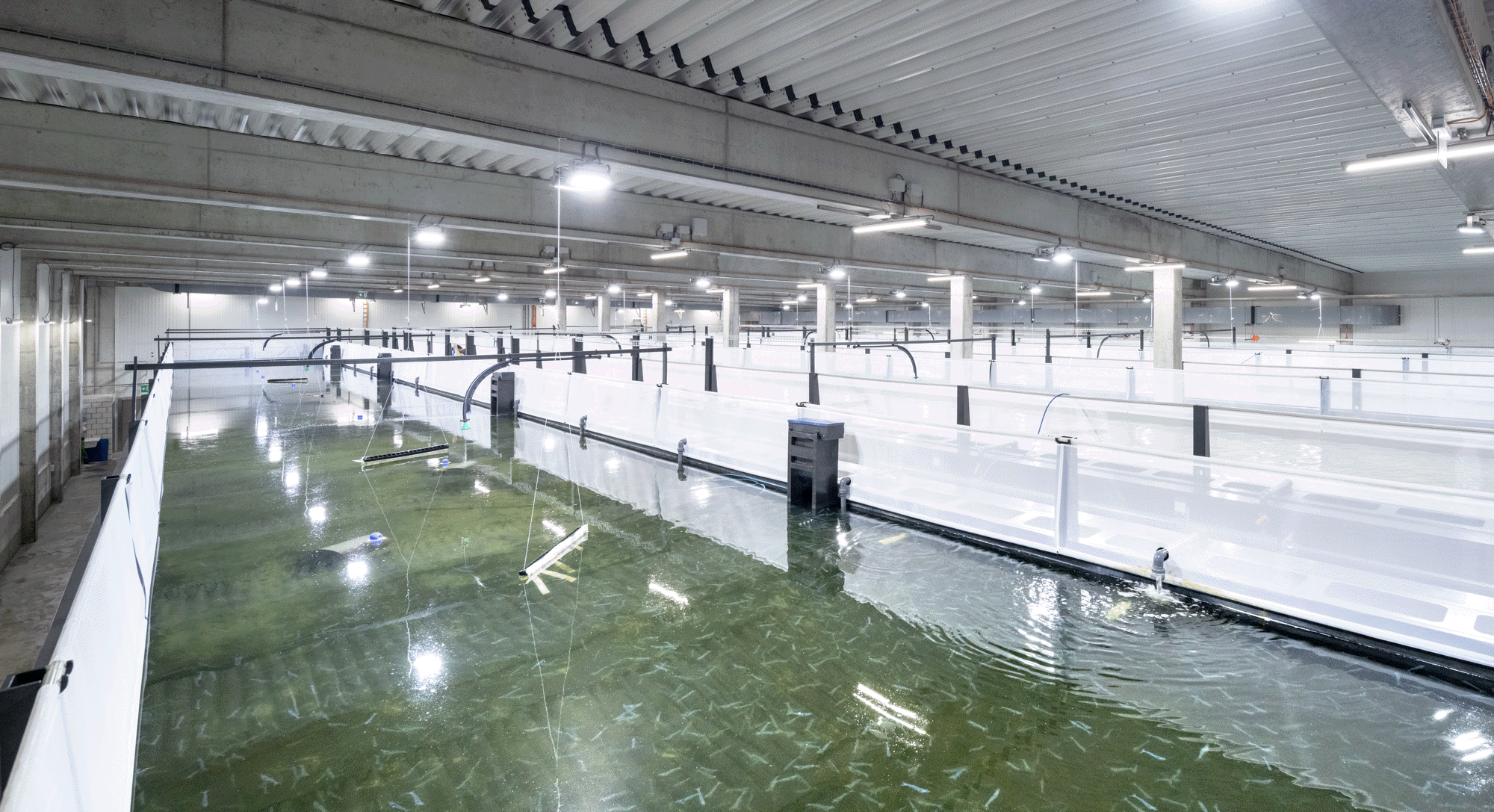
Hightech-Aquakultur im geschlossenen Wasserkreislauf (RAS, recirculation aquaculture system) erfordert nicht nur viel Kapital zur Erstellung der Anlage, sondern verursacht auch happige laufende Kosten für hochqualifiziertes Personal und Energie (Wärme, Pumpen, Filter); gering sind nur die Wasserkosten. Schon mancher RAS-Betrieb sah sich deswegen schon zum Aufgeben gezwungen.
(mehr …)Kategorie: Aquaculture
-
Suche:
Übersetzen · Translate
Alle Themen · All topics:
Stichwortliste · Keyword list
Abfall advertisement animal suffering Animal welfare artisanal fisheries Betriebsschliessung Betäubung Blauhai bottom trawl bycatch Canada Carefish/catch Catch Welfare Plattform certification Chile China Danio rerio Don Staniford E. O. Wilson Elysia Erderwärmung Ethologie EU EU-Kommission evolution fair-fish fair-fish database Fischfutter Fischmehl Fischwohl Fischzucht Fischzucht Balterswil FishEthoGroup fish meal fish oil Fish stocks Fish welfare Greenpeace greenwashing Grossbritannien Half Earth Project human-animal interaction Humane Schlachtung humane slaughter Humpback whale ICSF Intelligenz investment Kantonstierarzt Kognition labels Lachs Landwirtschaft Litopenaeus vannamei marine life Marine Protected Area Marine Protected Areas (MPA) Massentötung microalgae MPA Newfoundland Norway Norwegen Notfallplan Oktopoden Omega-3 Pacific whiteleg shrimp phytoplankton piano play Pole and line Quecksilber Ray Hilborn Reducing animal suffering respect Salmon Sandtigerhai Schweiz Scotland Senegal shrimps small-scale fisheries small scale fisheries spatial needs Stellvertretung stocking density Swiss Shrimp Thunfisch Thurgau Tierleid Tierschutz Tintenfische training trawler Umfrage Vortrag Westafrika whales Whale shark Überfischung
Artikelarchiv · Articles by date
- Januar 2026
- Dezember 2025
- November 2025
- Oktober 2025
- September 2025
- August 2025
- Juli 2025
- Juni 2025
- März 2025
- Februar 2025
- Januar 2025
- Dezember 2024
- Juli 2024
- April 2024
- März 2024
- Dezember 2023
- November 2023
- Oktober 2023
- September 2023
- August 2023
- Juli 2023
- Januar 2023
- Oktober 2022
- September 2021
- Dezember 2019
- Dezember 2018
- August 2017
- November 2016
- Dezember 2013
- Dezember 2011
-
Is fish welfare easier to achieve in fisheries than in aquaculture?
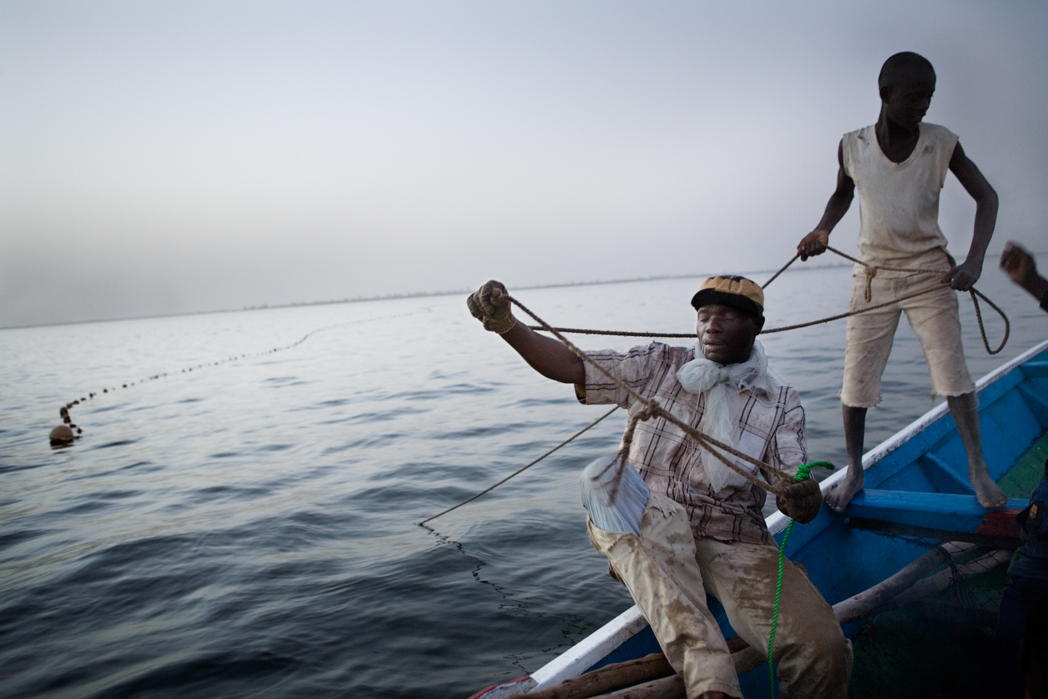
Research has shown that it is impossible for almost all animal species to experience welfare in aquaculture [1]. Should we therefore focus on improving fish welfare in fisheries? It depends.
The fishing gear and methods vary greatly, depending first of all on the intended catch and, secondly, on the target species.
(mehr …)Suche:
Übersetzen · Translate
Alle Themen · All topics:
Stichwortliste · Keyword list
Abfall advertisement animal suffering Animal welfare artisanal fisheries Betriebsschliessung Betäubung Blauhai bottom trawl bycatch Canada Carefish/catch Catch Welfare Plattform certification Chile China Danio rerio Don Staniford E. O. Wilson Elysia Erderwärmung Ethologie EU EU-Kommission evolution fair-fish fair-fish database Fischfutter Fischmehl Fischwohl Fischzucht Fischzucht Balterswil FishEthoGroup fish meal fish oil Fish stocks Fish welfare Greenpeace greenwashing Grossbritannien Half Earth Project human-animal interaction Humane Schlachtung humane slaughter Humpback whale ICSF Intelligenz investment Kantonstierarzt Kognition labels Lachs Landwirtschaft Litopenaeus vannamei marine life Marine Protected Area Marine Protected Areas (MPA) Massentötung microalgae MPA Newfoundland Norway Norwegen Notfallplan Oktopoden Omega-3 Pacific whiteleg shrimp phytoplankton piano play Pole and line Quecksilber Ray Hilborn Reducing animal suffering respect Salmon Sandtigerhai Schweiz Scotland Senegal shrimps small-scale fisheries small scale fisheries spatial needs Stellvertretung stocking density Swiss Shrimp Thunfisch Thurgau Tierleid Tierschutz Tintenfische training trawler Umfrage Vortrag Westafrika whales Whale shark Überfischung
Artikelarchiv · Articles by date
- Januar 2026
- Dezember 2025
- November 2025
- Oktober 2025
- September 2025
- August 2025
- Juli 2025
- Juni 2025
- März 2025
- Februar 2025
- Januar 2025
- Dezember 2024
- Juli 2024
- April 2024
- März 2024
- Dezember 2023
- November 2023
- Oktober 2023
- September 2023
- August 2023
- Juli 2023
- Januar 2023
- Oktober 2022
- September 2021
- Dezember 2019
- Dezember 2018
- August 2017
- November 2016
- Dezember 2013
- Dezember 2011
-
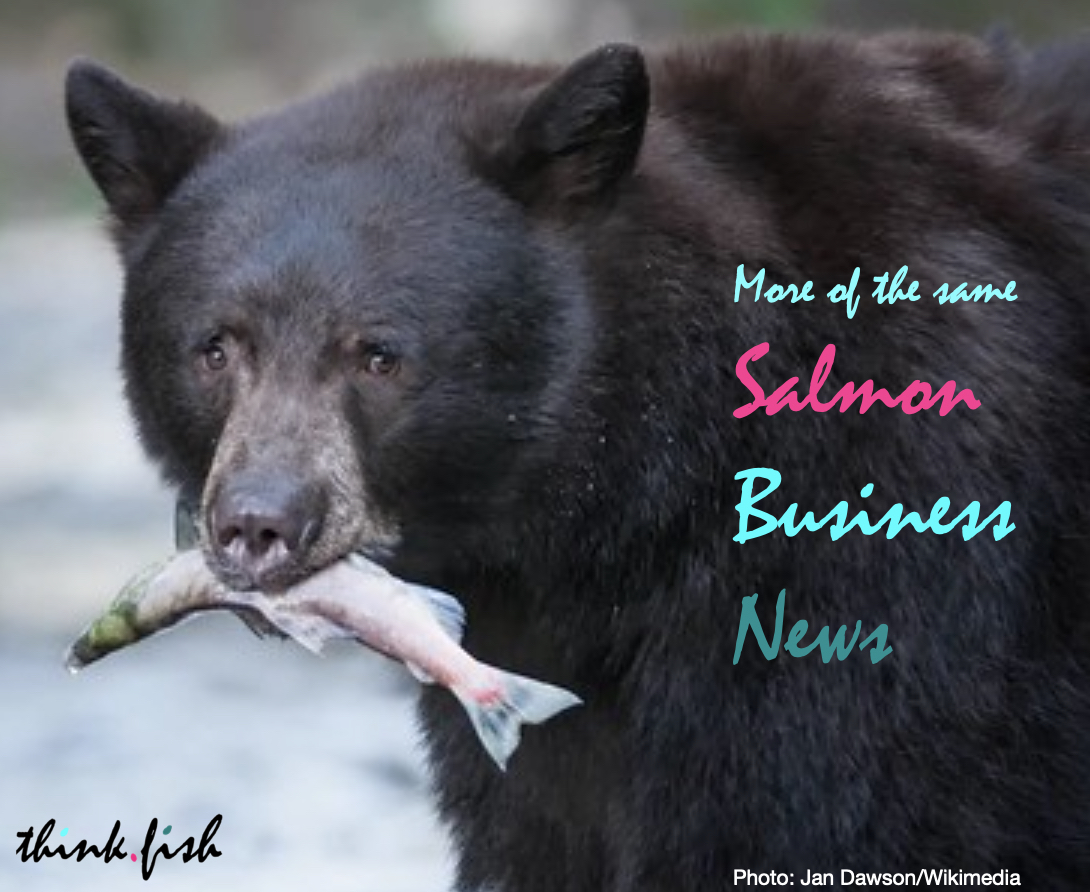
Salmons à gogo…
#1 – Chile: ‘We can be proud of what this industry has built,’ says the CEO of the Chilean Salmon Council, pointing to a growth of 4,000 per cent since the early 1990s. However, he admits that ‘the initial growth was often unruly and unregulated, leading to environmental damage and culminating in an ISA virus crisis from 2007 to 2010’, after which ‘the public system worked together with the industry to be able to regulate it, and today, it has become an overregulation’. Hard to believe, though, because why else criticism environmental organisations still continues?
More…#2 – Iceland: Trouble at the election of a new board member of Kaldvik, one of the leading salmon farming companies in Iceland. The designated candidate, the former CEO of the Norwegian Seafood Council, was opposed by an Icelandic property, investment and fisheries expert, who lost the election however.
More…#3 – Norway: Salmon farming is blamed for the rapid decline of wild Atlantic salmon stocks. Now, the Norwegian Environment Agency appears to have found a reason in addition: illegal fishing with nets along the country’s coast, especially in the north. ‘If you fish in the sea on these weak populations, the consequences can be serious,’ said the agency’s spokesperson [3], thus indirectly admitting that there is a pre-existing cause. However, the root cause is the ever-increasing salmon frenzy in Western markets, more of the same, more of the same…
More…#4 – Scotland: The salmon frenzy continues, and so does Don Staniford, unyielding. The anti-salmon farming campaigner has been judicially banned from approaching the farms of large companies such as Mowi and Scottish Sea Farms. Now he is protesting in front of the farms.
More…
Suche:
Übersetzen · Translate
Alle Themen · All topics:
Stichwortliste · Keyword list
Abfall advertisement animal suffering Animal welfare artisanal fisheries Betriebsschliessung Betäubung Blauhai bottom trawl bycatch Canada Carefish/catch Catch Welfare Plattform certification Chile China Danio rerio Don Staniford E. O. Wilson Elysia Erderwärmung Ethologie EU EU-Kommission evolution fair-fish fair-fish database Fischfutter Fischmehl Fischwohl Fischzucht Fischzucht Balterswil FishEthoGroup fish meal fish oil Fish stocks Fish welfare Greenpeace greenwashing Grossbritannien Half Earth Project human-animal interaction Humane Schlachtung humane slaughter Humpback whale ICSF Intelligenz investment Kantonstierarzt Kognition labels Lachs Landwirtschaft Litopenaeus vannamei marine life Marine Protected Area Marine Protected Areas (MPA) Massentötung microalgae MPA Newfoundland Norway Norwegen Notfallplan Oktopoden Omega-3 Pacific whiteleg shrimp phytoplankton piano play Pole and line Quecksilber Ray Hilborn Reducing animal suffering respect Salmon Sandtigerhai Schweiz Scotland Senegal shrimps small-scale fisheries small scale fisheries spatial needs Stellvertretung stocking density Swiss Shrimp Thunfisch Thurgau Tierleid Tierschutz Tintenfische training trawler Umfrage Vortrag Westafrika whales Whale shark Überfischung
Artikelarchiv · Articles by date
- Januar 2026
- Dezember 2025
- November 2025
- Oktober 2025
- September 2025
- August 2025
- Juli 2025
- Juni 2025
- März 2025
- Februar 2025
- Januar 2025
- Dezember 2024
- Juli 2024
- April 2024
- März 2024
- Dezember 2023
- November 2023
- Oktober 2023
- September 2023
- August 2023
- Juli 2023
- Januar 2023
- Oktober 2022
- September 2021
- Dezember 2019
- Dezember 2018
- August 2017
- November 2016
- Dezember 2013
- Dezember 2011
-
In defence of employed animals
I always appreciate the sound and clear arguments of my colleague Lewis Bollard, who does important work as head of the farm animal welfare programme at Open Philanthropy (USA). Like him, I have always defended reputable certification schemes against radical criticism because they are, as Lewis puts it, ‘imperfect agents of change’, but change-oriented nonetheless, while industries that do not adopt certified policies simply continue in non-viable practices.
However, as far as I am concerned, I am first and foremost in defense of the animals, and I know Lewis is too. For most of my life I have worked amidst the contradictions between ideal living conditions for employed animals and attempts to improve their conditions step by step. My strategic approach has been a kind of pragmatic radicalism, while my operational work has been closer to establishing standards and certification, bringing stakeholders together to set good examples and make them models to copy. Nevertheless, I was always critical of the big certification schemes promoted by large non-governmental organisations, retail chains, and the industry, because I felt that more should be achieved for the animals, the environment and the workers — or the propaganda of these labels should be kept less gradiloquent. My personal compromise was to work for small pioneer projects with a high standard philosophy, first 20 years in land animal husbandry, then 27 years in aquaculture and fisheries. The following comments are mainly based on my experience in the second area.
The case of ‚fish welfare‘
Getting old ment getting angry in my case. My view of what goes under the banner of ‘fish welfare’ has become increasingly critical, radical, even impatient. In aquaculture, over the last ten years, ‚fish welfare‘, which only thirty years ago has been deprecatingly regarded as a crazy idea by a few cranks, has become a common denominator in the advocacy, scientific, retail and industry. This is undoubtedly a nice success for the pioneers. However, in practice and from the point of view of the fishes, real progress is modest when measured against the basic meaning of the term ‘welfare’. And I have the impression that most of those involved are satisfied with the few improvements achieved so far.
Do the fish really feel well under improved farming conditions? Thanks to research [3] by fair-fish international and FishEthoGroup, which was also generously supported by Open Philanthropy, we now know that the welfare potential of almost all farmed fish species is close to zero. They are not naturally able to experience welfare, i.e. to feel anywhere near as well as they do in the wild. They can’t, not even under the best possible farming conditions. It is obvious that we should stop investing research and money in farming species such as salmon, trout, sea bass, sea bream, halibut, turbot, sturgeon, and many others if we want to use the welfare claim for them. The real message for almost all products from aquaculture with improved living conditions would be: from fish that have suffered less.
Even more pressing is the question in fisheries: do fish feel well under more respectful fishing methods? Certainly not, not in any conceivable case! At best, they are stunned and killed immediately after being hooked or netted — in stark contrast to common fishing practices, but still: would you feel well being killed? The literal mislabelling is obvious, and again, we should call it a fish that has suffered less, if a fishery’s efforts even merit that claim.
A plea for a highest standard fish label
Two conclusions can be drawn from the above.
1) We could at least be honest enough to abandon the claim ‘animal welfare’ and instead talk about steps to minimise animal suffering.
2) Or we put animal welfare first and renounce any practice that is not in line with it. This would not necessarily mean renouncing animal products and their slaughter, provided it is done in a way that we ourselves would accept: a good life and a good death.
Certification schemes can pave the way for stricter rules that over time will bw followed by everyone in the industry. This is why they are a valid tool, as much as they may be criticised; as long as they learn from it and improve, progress can still be achieved across the industry in the long run. However, and especially in animal husbandry, certification schemes tend to prolong industrial practices that we should end as soon as possible for ethical and environmental reasons. The longer I have worked in this field, the more I have sided with the critics. In my experience, for all cases where animals are employed, we need certification systems that set the highest standards and can serve as a benchmark for all other schemes and policies, even when setting the example on a small market share only.
To give an example: In Switzerland, there is a small organisation called KAGfreiland, founded in 1972, which sets the highest organic and free-range standards for farm animal husbandry in the world and has built a small market based on cooperation between certified farmers, consumers and shops [2]. The example of KAGfreiland has forced the larger organic organisations to adopt stricter guidelines for animal husbandry. Similarly, fair-fish has developed and applied the world’s most ambitious fisheries certification system as part of its project with artisanal fishers in Senegal [4]. After the project came to an end, certification activities were discontinued, but the standard continued to serve as a benchmark.
I would like to encourage the pioneer stakeholders in fisheries and aquaculture to come together [5] and lead by examples in order to break their colleagues out of a certain complacency.
Title picture:
Drawing by Kasia JackowskaReferences:
[1] Lewis Bollard: ‚In defence of the certifiers‚
[2] fair-fish database , then filter by ‚Welfare Score‘, ‚Potential‘
[3] https://kagfreiland.ch (the author has been its director, 1985-2001)
[4] fair-fish guidelines for aquaculture and fisheries (the author was the founder and has been the director and president of fair-fish, 1997-2023)
[5] Animal welfare (the author presented ‚From the fish’s perspective — animal welfare beyond marketing‘ at Aquaculture Horizons 2025)
Suche:
Übersetzen · Translate
Alle Themen · All topics:
Stichwortliste · Keyword list
Abfall advertisement animal suffering Animal welfare artisanal fisheries Betriebsschliessung Betäubung Blauhai bottom trawl bycatch Canada Carefish/catch Catch Welfare Plattform certification Chile China Danio rerio Don Staniford E. O. Wilson Elysia Erderwärmung Ethologie EU EU-Kommission evolution fair-fish fair-fish database Fischfutter Fischmehl Fischwohl Fischzucht Fischzucht Balterswil FishEthoGroup fish meal fish oil Fish stocks Fish welfare Greenpeace greenwashing Grossbritannien Half Earth Project human-animal interaction Humane Schlachtung humane slaughter Humpback whale ICSF Intelligenz investment Kantonstierarzt Kognition labels Lachs Landwirtschaft Litopenaeus vannamei marine life Marine Protected Area Marine Protected Areas (MPA) Massentötung microalgae MPA Newfoundland Norway Norwegen Notfallplan Oktopoden Omega-3 Pacific whiteleg shrimp phytoplankton piano play Pole and line Quecksilber Ray Hilborn Reducing animal suffering respect Salmon Sandtigerhai Schweiz Scotland Senegal shrimps small-scale fisheries small scale fisheries spatial needs Stellvertretung stocking density Swiss Shrimp Thunfisch Thurgau Tierleid Tierschutz Tintenfische training trawler Umfrage Vortrag Westafrika whales Whale shark Überfischung
Artikelarchiv · Articles by date
- Januar 2026
- Dezember 2025
- November 2025
- Oktober 2025
- September 2025
- August 2025
- Juli 2025
- Juni 2025
- März 2025
- Februar 2025
- Januar 2025
- Dezember 2024
- Juli 2024
- April 2024
- März 2024
- Dezember 2023
- November 2023
- Oktober 2023
- September 2023
- August 2023
- Juli 2023
- Januar 2023
- Oktober 2022
- September 2021
- Dezember 2019
- Dezember 2018
- August 2017
- November 2016
- Dezember 2013
- Dezember 2011
-
Around 250 billion animals killed per year, many of which as appetisers

* Based on data from [1] and Shujie Chen et al., IFFO, Björn Kok et al., and A. G. J. Tacon et al. Annual global shrimp production was 5.6 million tonnes in 2023 and is estimated to reach 5.7 million tonnes in 2024 [1]. Assuming an average live weight per shrimp of 20 grams [2], this means that around 250,000,000,000 shrimp were killed last year. That’s about twice as many as the number of fish farmed each year!
Why is mankind farming one of the smallest of all farmed animals, and in exorbitant quantities? Wouldn’t it be wiser, if at all, to farm large aquatic animals such as the Arapaima, a Brazilian freshwater fish? This would at least significantly reduce the number of animals suffering.
Amazingly, Ecuador is the leading shrimp-producing country, with an area similar to that of the United Kingdom, but only 18 million inhabitants, half of whom live in the coastal region, where one in five workers is employed in the shrimp industry. 25 per cent of the world’s shrimps by weight come from this Latin American country, while China and India, 37 and 13 times larger than Ecuador respectively, each with almost 80 times the population, follow in second and third place only. In addition, more than half of the world’s shrimp weight is produced in Asia, the world’s leading region for aquaculture in general.
Reference and footnote:
[1] https://www.facebook.com/photo?fbid=28830292729891376&set=a.762088143805211
[2] varies from species to species and depends on age at harvest
Suche:
Übersetzen · Translate
Alle Themen · All topics:
Stichwortliste · Keyword list
Abfall advertisement animal suffering Animal welfare artisanal fisheries Betriebsschliessung Betäubung Blauhai bottom trawl bycatch Canada Carefish/catch Catch Welfare Plattform certification Chile China Danio rerio Don Staniford E. O. Wilson Elysia Erderwärmung Ethologie EU EU-Kommission evolution fair-fish fair-fish database Fischfutter Fischmehl Fischwohl Fischzucht Fischzucht Balterswil FishEthoGroup fish meal fish oil Fish stocks Fish welfare Greenpeace greenwashing Grossbritannien Half Earth Project human-animal interaction Humane Schlachtung humane slaughter Humpback whale ICSF Intelligenz investment Kantonstierarzt Kognition labels Lachs Landwirtschaft Litopenaeus vannamei marine life Marine Protected Area Marine Protected Areas (MPA) Massentötung microalgae MPA Newfoundland Norway Norwegen Notfallplan Oktopoden Omega-3 Pacific whiteleg shrimp phytoplankton piano play Pole and line Quecksilber Ray Hilborn Reducing animal suffering respect Salmon Sandtigerhai Schweiz Scotland Senegal shrimps small-scale fisheries small scale fisheries spatial needs Stellvertretung stocking density Swiss Shrimp Thunfisch Thurgau Tierleid Tierschutz Tintenfische training trawler Umfrage Vortrag Westafrika whales Whale shark Überfischung
Artikelarchiv · Articles by date
- Januar 2026
- Dezember 2025
- November 2025
- Oktober 2025
- September 2025
- August 2025
- Juli 2025
- Juni 2025
- März 2025
- Februar 2025
- Januar 2025
- Dezember 2024
- Juli 2024
- April 2024
- März 2024
- Dezember 2023
- November 2023
- Oktober 2023
- September 2023
- August 2023
- Juli 2023
- Januar 2023
- Oktober 2022
- September 2021
- Dezember 2019
- Dezember 2018
- August 2017
- November 2016
- Dezember 2013
- Dezember 2011
-
Suche:
Übersetzen · Translate
Alle Themen · All topics:
Stichwortliste · Keyword list
Abfall advertisement animal suffering Animal welfare artisanal fisheries Betriebsschliessung Betäubung Blauhai bottom trawl bycatch Canada Carefish/catch Catch Welfare Plattform certification Chile China Danio rerio Don Staniford E. O. Wilson Elysia Erderwärmung Ethologie EU EU-Kommission evolution fair-fish fair-fish database Fischfutter Fischmehl Fischwohl Fischzucht Fischzucht Balterswil FishEthoGroup fish meal fish oil Fish stocks Fish welfare Greenpeace greenwashing Grossbritannien Half Earth Project human-animal interaction Humane Schlachtung humane slaughter Humpback whale ICSF Intelligenz investment Kantonstierarzt Kognition labels Lachs Landwirtschaft Litopenaeus vannamei marine life Marine Protected Area Marine Protected Areas (MPA) Massentötung microalgae MPA Newfoundland Norway Norwegen Notfallplan Oktopoden Omega-3 Pacific whiteleg shrimp phytoplankton piano play Pole and line Quecksilber Ray Hilborn Reducing animal suffering respect Salmon Sandtigerhai Schweiz Scotland Senegal shrimps small-scale fisheries small scale fisheries spatial needs Stellvertretung stocking density Swiss Shrimp Thunfisch Thurgau Tierleid Tierschutz Tintenfische training trawler Umfrage Vortrag Westafrika whales Whale shark Überfischung
Artikelarchiv · Articles by date
- Januar 2026
- Dezember 2025
- November 2025
- Oktober 2025
- September 2025
- August 2025
- Juli 2025
- Juni 2025
- März 2025
- Februar 2025
- Januar 2025
- Dezember 2024
- Juli 2024
- April 2024
- März 2024
- Dezember 2023
- November 2023
- Oktober 2023
- September 2023
- August 2023
- Juli 2023
- Januar 2023
- Oktober 2022
- September 2021
- Dezember 2019
- Dezember 2018
- August 2017
- November 2016
- Dezember 2013
- Dezember 2011
-
Industry news
#1 Wild catch volumes recover, markets stagnate
An outlook [1] from the UN Food and Agriculture Organisation (FAO) for 2024 predicts a slight increase in fisheries yields of 1.1%, while aquaculture is expected to grow by 3.1%, supported by a downward trend in fish meal and fish oil prices. On the other hand, the value of global trade in fish and seafood is expected to fall by 1.2%, although the volume will continue to increase by an estimated 1.0%.
(mehr …)Suche:
Übersetzen · Translate
Alle Themen · All topics:
Stichwortliste · Keyword list
Abfall advertisement animal suffering Animal welfare artisanal fisheries Betriebsschliessung Betäubung Blauhai bottom trawl bycatch Canada Carefish/catch Catch Welfare Plattform certification Chile China Danio rerio Don Staniford E. O. Wilson Elysia Erderwärmung Ethologie EU EU-Kommission evolution fair-fish fair-fish database Fischfutter Fischmehl Fischwohl Fischzucht Fischzucht Balterswil FishEthoGroup fish meal fish oil Fish stocks Fish welfare Greenpeace greenwashing Grossbritannien Half Earth Project human-animal interaction Humane Schlachtung humane slaughter Humpback whale ICSF Intelligenz investment Kantonstierarzt Kognition labels Lachs Landwirtschaft Litopenaeus vannamei marine life Marine Protected Area Marine Protected Areas (MPA) Massentötung microalgae MPA Newfoundland Norway Norwegen Notfallplan Oktopoden Omega-3 Pacific whiteleg shrimp phytoplankton piano play Pole and line Quecksilber Ray Hilborn Reducing animal suffering respect Salmon Sandtigerhai Schweiz Scotland Senegal shrimps small-scale fisheries small scale fisheries spatial needs Stellvertretung stocking density Swiss Shrimp Thunfisch Thurgau Tierleid Tierschutz Tintenfische training trawler Umfrage Vortrag Westafrika whales Whale shark Überfischung
Artikelarchiv · Articles by date
- Januar 2026
- Dezember 2025
- November 2025
- Oktober 2025
- September 2025
- August 2025
- Juli 2025
- Juni 2025
- März 2025
- Februar 2025
- Januar 2025
- Dezember 2024
- Juli 2024
- April 2024
- März 2024
- Dezember 2023
- November 2023
- Oktober 2023
- September 2023
- August 2023
- Juli 2023
- Januar 2023
- Oktober 2022
- September 2021
- Dezember 2019
- Dezember 2018
- August 2017
- November 2016
- Dezember 2013
- Dezember 2011
-
Fish welfare: what should we aim for?

Graph by the author, based on the fair-fish database Resources are, as always, limited. Should we then invest in improving some details in the lives of over 500 farmed aquatic animal species, most of which are known not being able to experience welfare in captivity anyway? Or should we rather focus on the few species that possibly may thrive under improved farming conditions?
(mehr …)Suche:
Übersetzen · Translate
Alle Themen · All topics:
Stichwortliste · Keyword list
Abfall advertisement animal suffering Animal welfare artisanal fisheries Betriebsschliessung Betäubung Blauhai bottom trawl bycatch Canada Carefish/catch Catch Welfare Plattform certification Chile China Danio rerio Don Staniford E. O. Wilson Elysia Erderwärmung Ethologie EU EU-Kommission evolution fair-fish fair-fish database Fischfutter Fischmehl Fischwohl Fischzucht Fischzucht Balterswil FishEthoGroup fish meal fish oil Fish stocks Fish welfare Greenpeace greenwashing Grossbritannien Half Earth Project human-animal interaction Humane Schlachtung humane slaughter Humpback whale ICSF Intelligenz investment Kantonstierarzt Kognition labels Lachs Landwirtschaft Litopenaeus vannamei marine life Marine Protected Area Marine Protected Areas (MPA) Massentötung microalgae MPA Newfoundland Norway Norwegen Notfallplan Oktopoden Omega-3 Pacific whiteleg shrimp phytoplankton piano play Pole and line Quecksilber Ray Hilborn Reducing animal suffering respect Salmon Sandtigerhai Schweiz Scotland Senegal shrimps small-scale fisheries small scale fisheries spatial needs Stellvertretung stocking density Swiss Shrimp Thunfisch Thurgau Tierleid Tierschutz Tintenfische training trawler Umfrage Vortrag Westafrika whales Whale shark Überfischung
Artikelarchiv · Articles by date
- Januar 2026
- Dezember 2025
- November 2025
- Oktober 2025
- September 2025
- August 2025
- Juli 2025
- Juni 2025
- März 2025
- Februar 2025
- Januar 2025
- Dezember 2024
- Juli 2024
- April 2024
- März 2024
- Dezember 2023
- November 2023
- Oktober 2023
- September 2023
- August 2023
- Juli 2023
- Januar 2023
- Oktober 2022
- September 2021
- Dezember 2019
- Dezember 2018
- August 2017
- November 2016
- Dezember 2013
- Dezember 2011
-
New aquaculture: all nice people… [1]
They are all nice people with nice ideas how to feed the world and save the planet and their own business. No greedy capitalists, they believe to be part of the solution. Persons whom you might like to meet to learn more about their mindset. But…

A Seawater Cube unit and its founders (photo: Seawater Cube) The German based ‚Seawater Cubes‘ developed a tiny recirculation aquaculture system (RAS) unit consisting of four shipping containers, able to produce nearly 8 tonnes of fish per year. ‚We thought about how to do RAS better and developed the idea of a decentralised, small-scale approach for on-land fish farming and built a prototype of the idea,‘ the CEO says. ‚We’ve achieved a 98 percent survival rate because of the water quality.‘ [2] Fine so—but are the fishes in these narrow tanks eager to survive?
.
Good for the fishes?
Seawater Cubes claims that their system helps to keep the stocking density considerably below industry standards, e.g. for Sea bream ’30 percent below the 100 kilo per cubic metres that some scientific papers suggest is possible.‘ Really? This is way beyond usual standards, let alone the species’ natural aggregation habits [3] and its spatial needs for moving horizontally and vertically [4]. At least two of the three founders of Seawater Cubes should know better, having worked for the big RAS plant in Völklingen (Saarland) where Sea breams swim in a huge pool.

Sea breams near Malta (photo: Snorkelling Malta/Wikimedia). .
Good for the farmers?
A second question arises: Who is this system designed for? Seawater Cubes claims that its automated unit can be operated as a business alongside, ‚perfect for farmers who are looking to diversify. The daily operation requires about eight hours a week.‘
C’mon, we’ve been there already, farmers in Switzerland, for example, were promised the moon with RAS modules installed in barns that were no longer in use, a flop. The investment for a Seawater Cube system is about 300,000 euros, an amount that can hardly be amortised by a part-time job.
.
What can I do as a consumer?
Should I hope that this business idea fails before many farmers have to realise their own failure? Or at least for the sake of millions of innocent fishes?
I could stop from thinking that I need fish once or twice a week to have a healthy live.
Sources:
[1] ursprünglich gepostet auf Facebook: https://www.facebook.com/groups/think.fish/posts/870175951328118/
[2] https://thefishsite.com/articles/the-tiny-ras-with-massive-impact-potential-seawater-cubes
[3] https://fair-fish-database.net/db/species/sparus-aurata/farm/welfarecheck/ (see criterion 5, aggregation) and https://fair-fish-database.net/…/sparus-aurata/farm/advice (see paragraph 7, stocking density)
[4] https://fair-fish-database.net/db/species/sparus-aurata/farm/welfarecheck/ (see criteria 1 to 3)
Suche:
Übersetzen · Translate
Alle Themen · All topics:
Stichwortliste · Keyword list
Abfall advertisement animal suffering Animal welfare artisanal fisheries Betriebsschliessung Betäubung Blauhai bottom trawl bycatch Canada Carefish/catch Catch Welfare Plattform certification Chile China Danio rerio Don Staniford E. O. Wilson Elysia Erderwärmung Ethologie EU EU-Kommission evolution fair-fish fair-fish database Fischfutter Fischmehl Fischwohl Fischzucht Fischzucht Balterswil FishEthoGroup fish meal fish oil Fish stocks Fish welfare Greenpeace greenwashing Grossbritannien Half Earth Project human-animal interaction Humane Schlachtung humane slaughter Humpback whale ICSF Intelligenz investment Kantonstierarzt Kognition labels Lachs Landwirtschaft Litopenaeus vannamei marine life Marine Protected Area Marine Protected Areas (MPA) Massentötung microalgae MPA Newfoundland Norway Norwegen Notfallplan Oktopoden Omega-3 Pacific whiteleg shrimp phytoplankton piano play Pole and line Quecksilber Ray Hilborn Reducing animal suffering respect Salmon Sandtigerhai Schweiz Scotland Senegal shrimps small-scale fisheries small scale fisheries spatial needs Stellvertretung stocking density Swiss Shrimp Thunfisch Thurgau Tierleid Tierschutz Tintenfische training trawler Umfrage Vortrag Westafrika whales Whale shark Überfischung
Artikelarchiv · Articles by date
- Januar 2026
- Dezember 2025
- November 2025
- Oktober 2025
- September 2025
- August 2025
- Juli 2025
- Juni 2025
- März 2025
- Februar 2025
- Januar 2025
- Dezember 2024
- Juli 2024
- April 2024
- März 2024
- Dezember 2023
- November 2023
- Oktober 2023
- September 2023
- August 2023
- Juli 2023
- Januar 2023
- Oktober 2022
- September 2021
- Dezember 2019
- Dezember 2018
- August 2017
- November 2016
- Dezember 2013
- Dezember 2011
-
Der tägliche Wahnsinn
Notizen aus der Welt unter Wasser
Die Tierschutzkommission der britischen Regierung verlangt einen besseren gesetzlichen Schutz von Fischen während des Schlachtprozesses, dem jährlich 77 Millionen Fische in der Aquakultur zugeführt werden, vor allem Lachse in schottischen Zuchten. Nur Hühner müssen in Grossbritannien in noch grössere Zahl dran glauben.
(mehr …)Suche:
Übersetzen · Translate
Alle Themen · All topics:
Stichwortliste · Keyword list
Abfall advertisement animal suffering Animal welfare artisanal fisheries Betriebsschliessung Betäubung Blauhai bottom trawl bycatch Canada Carefish/catch Catch Welfare Plattform certification Chile China Danio rerio Don Staniford E. O. Wilson Elysia Erderwärmung Ethologie EU EU-Kommission evolution fair-fish fair-fish database Fischfutter Fischmehl Fischwohl Fischzucht Fischzucht Balterswil FishEthoGroup fish meal fish oil Fish stocks Fish welfare Greenpeace greenwashing Grossbritannien Half Earth Project human-animal interaction Humane Schlachtung humane slaughter Humpback whale ICSF Intelligenz investment Kantonstierarzt Kognition labels Lachs Landwirtschaft Litopenaeus vannamei marine life Marine Protected Area Marine Protected Areas (MPA) Massentötung microalgae MPA Newfoundland Norway Norwegen Notfallplan Oktopoden Omega-3 Pacific whiteleg shrimp phytoplankton piano play Pole and line Quecksilber Ray Hilborn Reducing animal suffering respect Salmon Sandtigerhai Schweiz Scotland Senegal shrimps small-scale fisheries small scale fisheries spatial needs Stellvertretung stocking density Swiss Shrimp Thunfisch Thurgau Tierleid Tierschutz Tintenfische training trawler Umfrage Vortrag Westafrika whales Whale shark Überfischung
Artikelarchiv · Articles by date
- Januar 2026
- Dezember 2025
- November 2025
- Oktober 2025
- September 2025
- August 2025
- Juli 2025
- Juni 2025
- März 2025
- Februar 2025
- Januar 2025
- Dezember 2024
- Juli 2024
- April 2024
- März 2024
- Dezember 2023
- November 2023
- Oktober 2023
- September 2023
- August 2023
- Juli 2023
- Januar 2023
- Oktober 2022
- September 2021
- Dezember 2019
- Dezember 2018
- August 2017
- November 2016
- Dezember 2013
- Dezember 2011