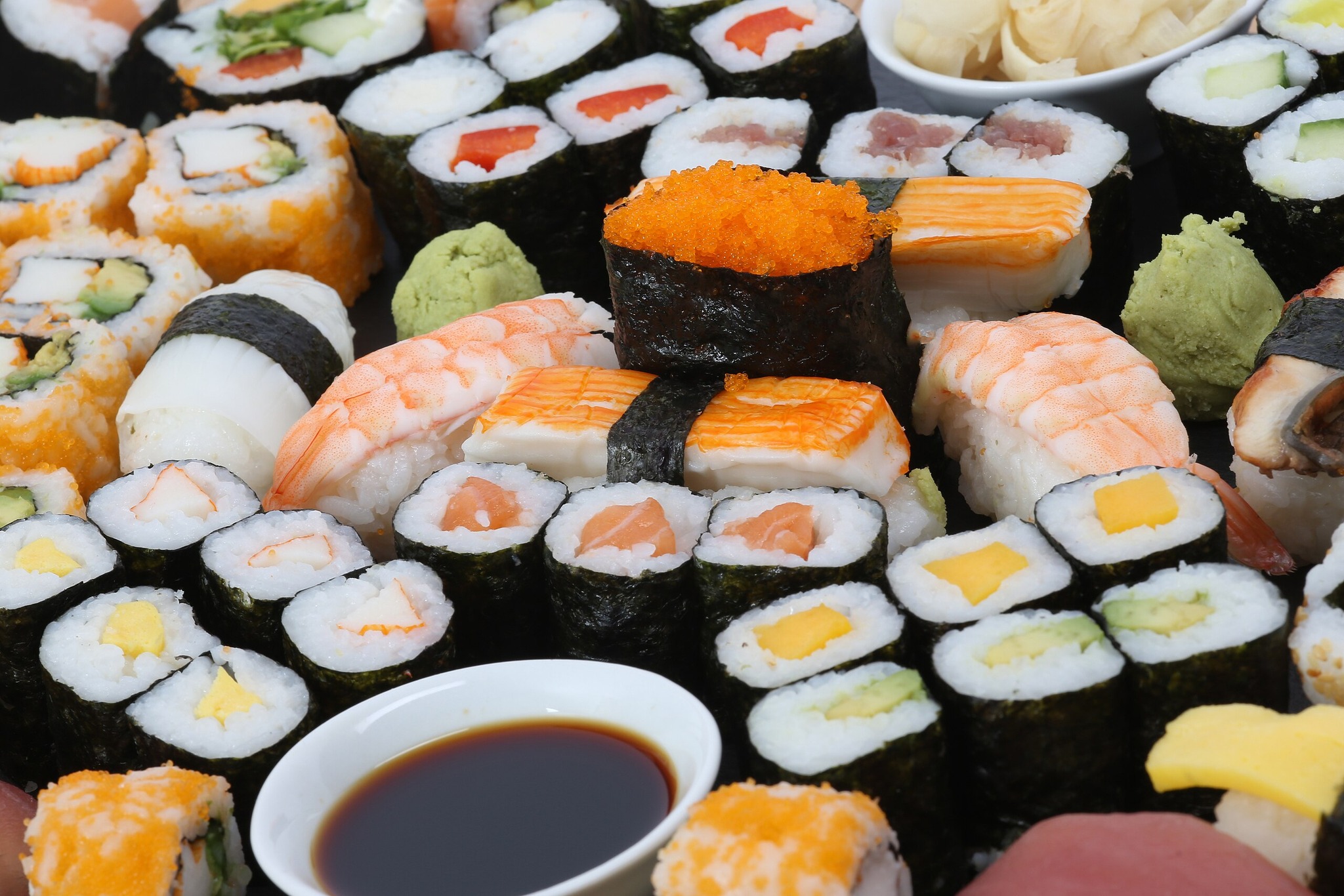
Eine sehenswerte Doku auf ARD [1] spitzt die Probleme von Lachszucht und Thunfischfang auf den Sushi-Boom zu. Das mag einige Konsumenten dazu motivieren, etwas weniger Sushi zu essen. Die wirklichen Probleme löst das jedoch nicht.
Die Fischindustrie hat es wiederholt verstanden, Fisch in so verarbeiteter Form auf den Markt zu werfen, dass auch Fischerverächter zugreifen. Hauptsache, Umsatz und Marktanteile wachsen, egal, was für Folgen das für die Fische und deren Umwelt hat.
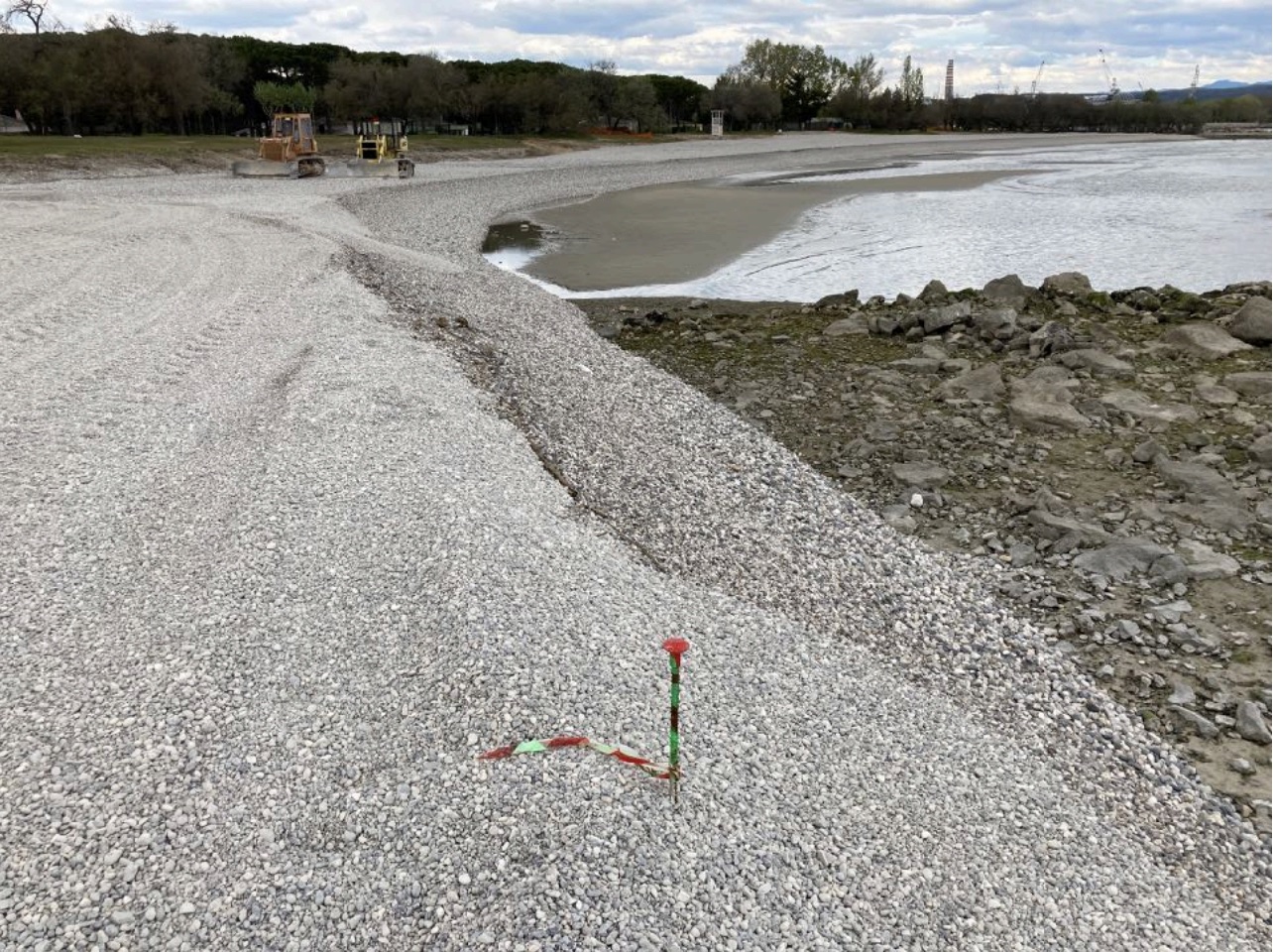
In Peru setzen sich Surfer für den Schutz perfekter Wellen ein und damit für den Schutz der Küsten – ein schönes Beispiel fürs Schützen beim Nutzen. Es zeigt freilich auch, dass Strandschutz weltweit zu kurz greift.
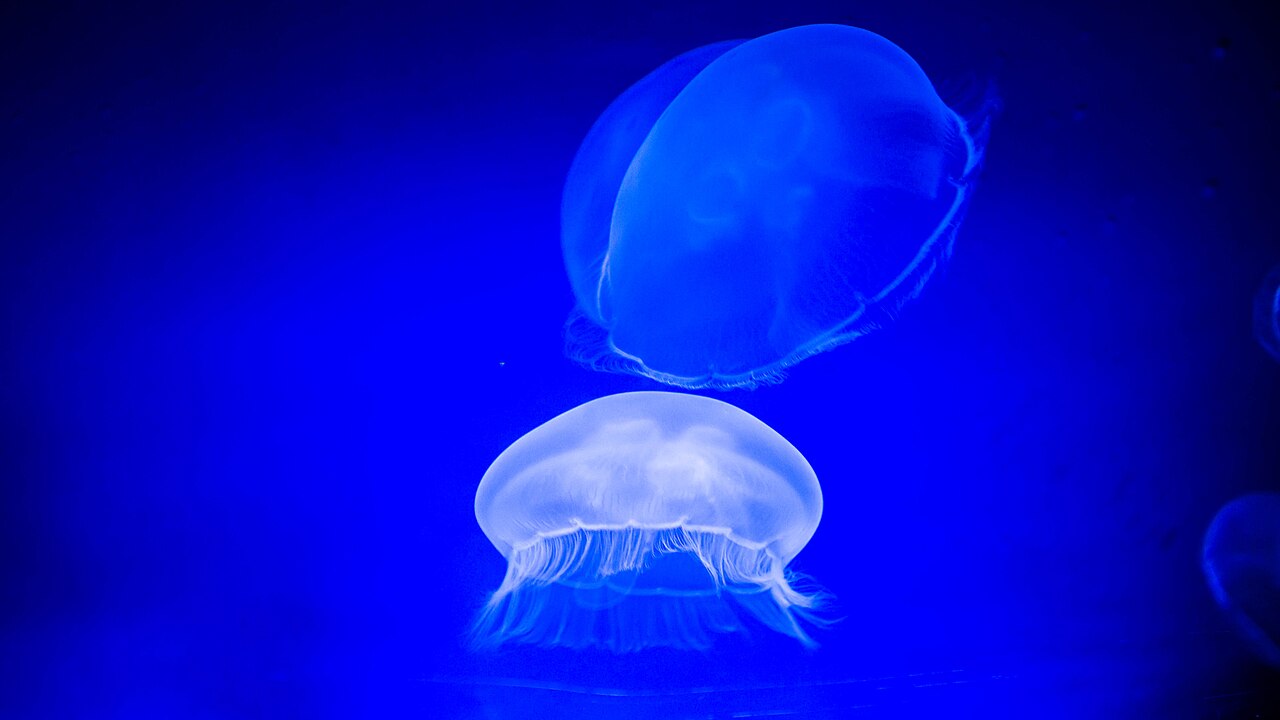
Sommerloch. Es treten auf: die üblichen Verdächtigen aus dem Tierreich. Wo einst das Ungeheuer vom Loch Ness wohligen Schauer in sicherer Distanz bescherte, sind es heute riesige Welse, die an Badeseen in die Waden beissen, und Quallen, deren Nesselstiche meist sehr unangenehm sind und – in seltenen Fällen – sogar tödlich sein können, was «Spektrum der Wissenschaft» zum etwas reisserischen Titel «Tod durch Quallen» verführte [1].
Tatsächlich hat die Quallendichte an zahlreichen Badestränden in den letzten Jahren deutlich zugenommen. Warum?
Touristen sind Konsumenten – wie du und ich – und als solche mitschuldig an der störenden Qallenplage; aus zwei Gründen. Zum einen reduzierte die zunehmende Überfischung der Meere die Zahl der natürlichen Fressfeinde der Quallen. Vor allem die Thunfische, die für ihre enorme Schwimmleistung viel Energie benötigen und darum alles fressen, was ihnen vor den Rachen kommt, hielten einst die Quallen in Schranken. Zum anderen gehören Quallen zu den wenigen Gewinnern der steigenden Meerestemperaturen, denen sie sich besser anpassen können als viele andere Wassertiere. [2]
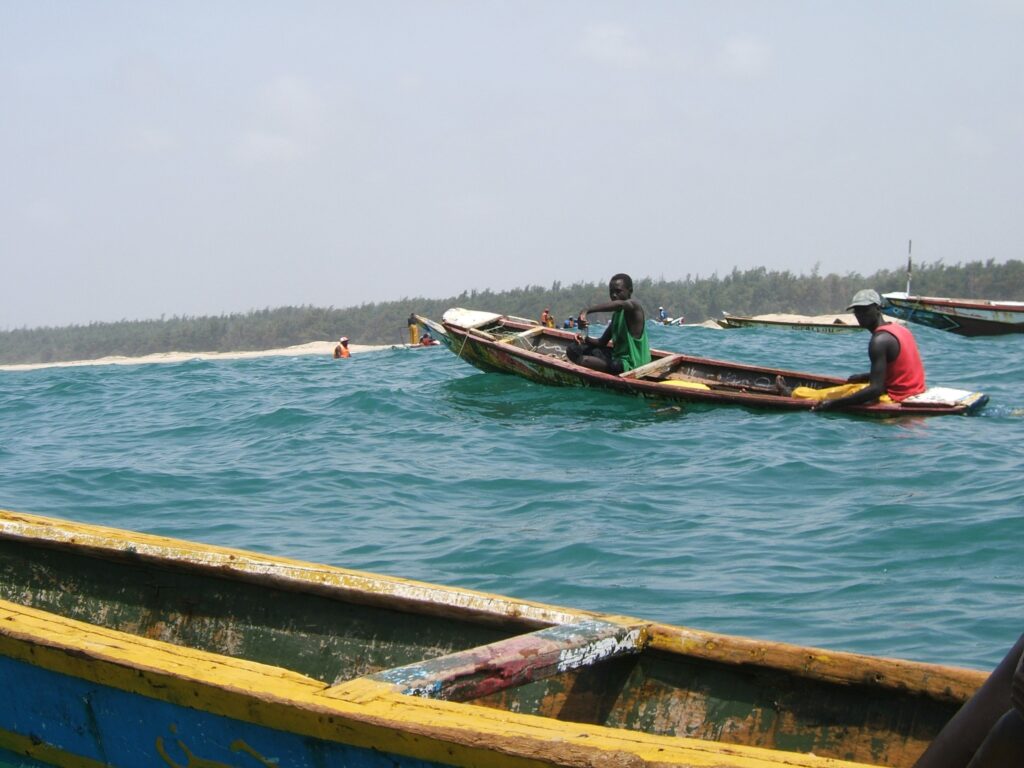
Small-scale artisanal fisheries are largely underestimated in terms of their catch volumes and contribution to the local economy — and at the same time they are adversely affected by industrial fishing, offshore aquaculture, tourism and other uses of coastal waters. Assessing the value and importance of small-scale fisheries is a crucial step towards countering the threats they face. This also benefits fishes, because if fisheries can minimise the suffering of the animals concerned, small-scale fisheries are more likely to succeed than their industrial competitors, which use heavy fishing gear.
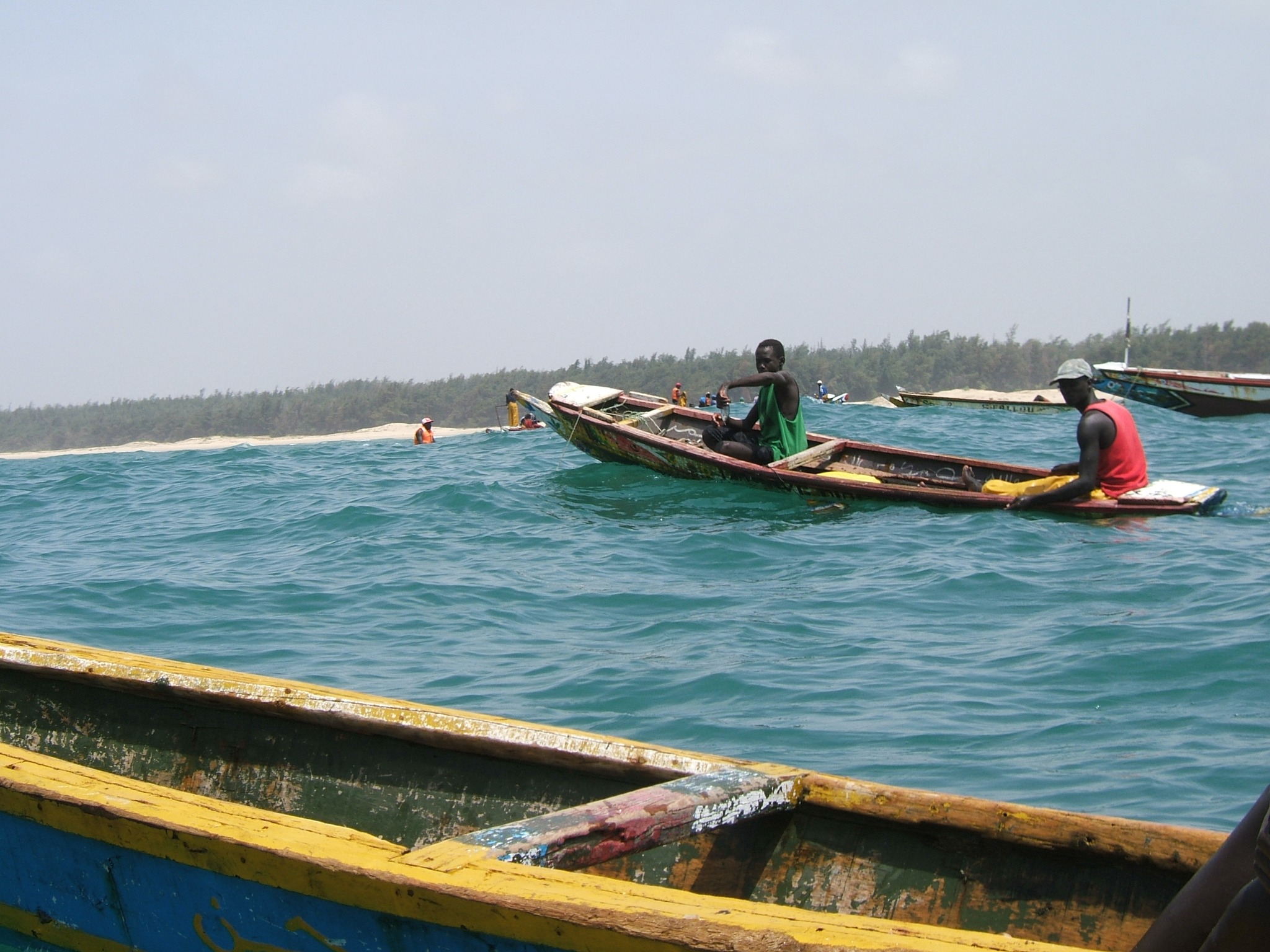
Handliners on the coast of Kayar, Senegal (photo: Billo Studer)
Small-scale artisanal fisheries are largely underestimated in terms of their catch volumes and contribution to the local economy — and at the same time they are adversely affected by industrial fishing, offshore aquaculture, tourism and other uses of coastal waters. Assessing the value and importance of small-scale fisheries is a crucial step towards countering the threats they face. This also benefits fishes, because if fisheries can minimise the suffering of the animals concerned, small-scale fisheries are more likely to succeed than their industrial competitors, which use heavy fishing gear.
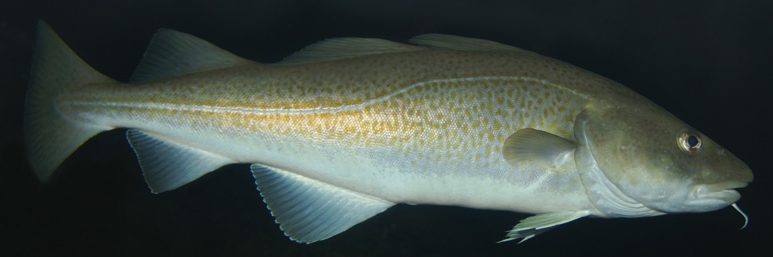
Atlantic cod (credit: Patrick Gijsbers / Wikimedia Commons)
For thirty years, Atlantic cod (Gadus morhua) has been a symbolic example of the irreversible collapse of a fish stock due to continued overfishing. Now cod appears to be recovering, but experts are urging caution and resisting overly optimistic pressure from the industry.
In 1992, the Canadian government was forced to impose a ban on cod fishing. The once abundant stock in the Northwest Atlantic, which provided a livelihood for thousands of fishermen, still yielded an annual catch of 250,000 tonnes at the end of the 1980s after more than a century of reckless fishing, but was eventually completely decimated.
The moratorium was initially imposed for two years, but as there were no signs of recovery, it was repeatedly extended and ultimately lasted 32 years, causing many fishermen to lose their livelihoods. Now, however, the species is finally recovering. ’This much cod hasn’t been caught in the inshore since 1991, so we’re navigating new ground’, says the head of fish processing company Icewater Seafoods, Canada’s largest cod processor, which is facing changes to cope with the sudden catch level. [1]
But how much has the cod stock really recovered? A year ago, experts warned against giving in to the industry’s excessive optimism [2]. This year, too, experts are critical of the government’s lifting of the moratorium. According to their studies, the cod stock has only partially recovered, to 38 per cent of its peak in the 1960s. The decline of the cod stock was mainly due to the collapse of the capelin (Mallotus villosus) stock, the main food source for cod, in the early 1990s. And as capelin continue to decline, there are clear limits to the further recovery of cod. ‘Until capelin rebounds, this really isn’t the time to ramp up fishing,’ said a representative of the non-governmental organisation Oceana. [3]
Wale sind Säugetiere, haben aber keine Zitzen. Walmütter spritzen ihre sehr fette Milch ins Wasser, aus dem die Jungen sie trinken. Mehr dazu… (mit Dank an «Wir schützen die Meere».
#2: Warum der Blauhai blau ist
Eine spezielle Nanostruktur von Tausenden kleiner, spitzer Schuppen dieser Haiart (Prionace glauca) führt zur blauen Färbung. Die Schuppen enthalten Guanin-Kristalle, die blaues Licht reflektieren, und kleine Bläschen mit den Farbstoff Melanin, der das Licht anderer Wellenlängen absorbiert. Je nach Wasserdruck und Temperatur kann sich die Farbe aber auch verändern; der Blauhai erscheint dann tiefblau, grünblau oder golden. Mehr dazu…
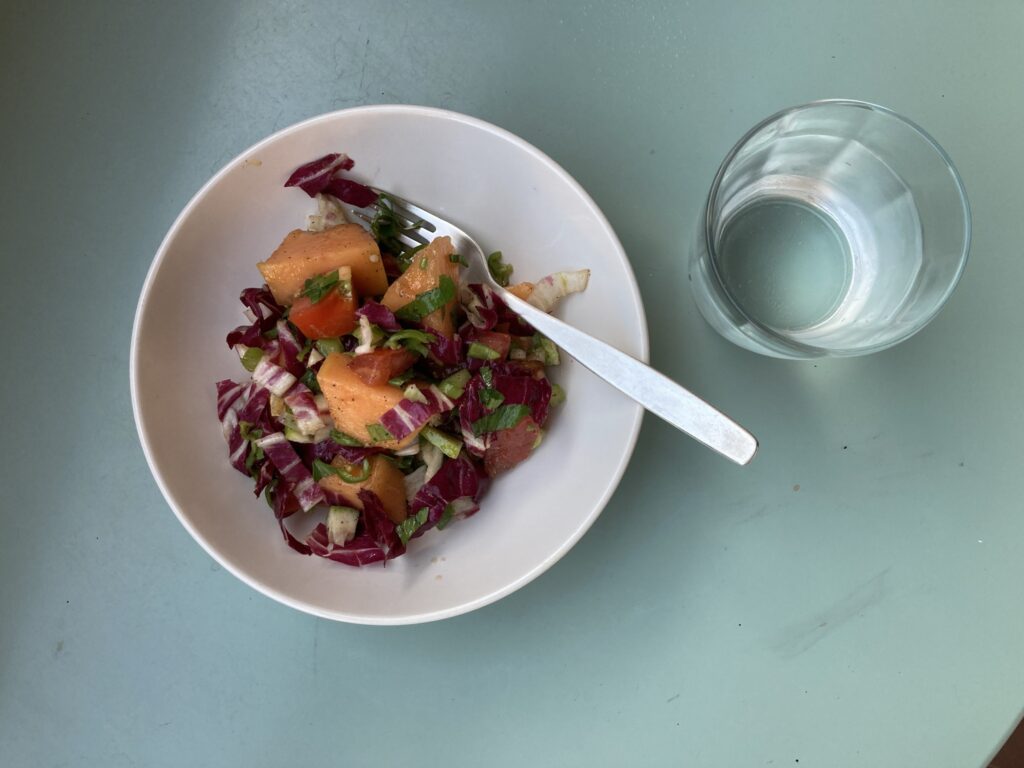
Kühlung von innen: Melonen-Chicorée-Salat und Kräuterwasser aus dem Kühlschrank (Foto: Billo Heinzpeter Studer)
Ich mache hier Negativwerbung für meine Ferienwohnung am Meer: bleib zuhause! Denn jeder Strandbadegast ist einer zu viel, genauer: Ich bin das Problem, du bist das Problem, wie der dänische Soziologe Nikolay Schultz in seinem Essay «Landkrank» im Selbstversuch und damit für uns alle festgestellt hat. [1]