How big does a step have to be so one can consider it an improvement in animal welfare, and how small can it be and still be considered as such? It’s an old debate, yet there are moments when it needs to be reignited.
(mehr …)Schlagwort: Animal welfare
-
Suche:
Übersetzen · Translate
Alle Themen · All topics:
Stichwortliste · Keyword list
animal suffering Animal welfare artisanal fisheries Batäubung Belt-and-Road-Initiative Blauhai Bosporus bottom trawl bycatch Canada Catch Welfare Plattform certification CFFA CAPE Chancay Chile China Containerhafen Don Staniford Erderwärmung escapes EU Europa Exclusive Economic Zone EEC fair-fish fair-fish database Faroe Fischereiabkommen Fischereisubventionen Fischmehl Fischöl fisheries agreements fisheries management FishEthoGroup fish meal fish oil Fish stocks Fish welfare Gesellschaft Greenpeace Humpback whale ICES ICSF Intelligenz International maritime law Invertebraten Kognition Korruption labels Lachs Lachszucht Litopenaeus vannamei Marine Protected Areas (MPA) migration mortality Mycroprotein Nervensystem North-east Atlantic Oceana Oktopoden Omega-3 Ostsee Pacific whiteleg shrimp Pakistan Panamakanal Parasiten Peru Philippines phytoplankton play Pole and line Polen Rainer Froese Raumfahrt Ray Hilborn Reducing animal suffering Salmon Sandtigerhai Schifffahrt Schottland sea lice Seawater Cube Senegal Slapp small-scale fisheries small scale fisheries stocking density Tierleid Tierschutz Tintenfische UK US Navy Venezuela Westafrika whales Whale shark Wirbellose WTO Zivilisation Zooplankton Überfischung
Artikelarchiv · Articles by date
-
In defence of employed animals
I always appreciate the sound and clear arguments of my colleague Lewis Bollard, who does important work as head of the farm animal welfare programme at Open Philanthropy (USA). Like him, I have always defended reputable certification schemes against radical criticism because they are, as Lewis puts it, ‘imperfect agents of change’, but change-oriented nonetheless, while industries that do not adopt certified policies simply continue in non-viable practices.
However, as far as I am concerned, I am first and foremost in defense of the animals, and I know Lewis is too. For most of my life I have worked amidst the contradictions between ideal living conditions for employed animals and attempts to improve their conditions step by step. My strategic approach has been a kind of pragmatic radicalism, while my operational work has been closer to establishing standards and certification, bringing stakeholders together to set good examples and make them models to copy. Nevertheless, I was always critical of the big certification schemes promoted by large non-governmental organisations, retail chains, and the industry, because I felt that more should be achieved for the animals, the environment and the workers — or the propaganda of these labels should be kept less gradiloquent. My personal compromise was to work for small pioneer projects with a high standard philosophy, first 20 years in land animal husbandry, then 27 years in aquaculture and fisheries. The following comments are mainly based on my experience in the second area.
The case of ‚fish welfare‘
Getting old ment getting angry in my case. My view of what goes under the banner of ‘fish welfare’ has become increasingly critical, radical, even impatient. In aquaculture, over the last ten years, ‚fish welfare‘, which only thirty years ago has been deprecatingly regarded as a crazy idea by a few cranks, has become a common denominator in the advocacy, scientific, retail and industry. This is undoubtedly a nice success for the pioneers. However, in practice and from the point of view of the fishes, real progress is modest when measured against the basic meaning of the term ‘welfare’. And I have the impression that most of those involved are satisfied with the few improvements achieved so far.
Do the fish really feel well under improved farming conditions? Thanks to research [3] by fair-fish international and FishEthoGroup, which was also generously supported by Open Philanthropy, we now know that the welfare potential of almost all farmed fish species is close to zero. They are not naturally able to experience welfare, i.e. to feel anywhere near as well as they do in the wild. They can’t, not even under the best possible farming conditions. It is obvious that we should stop investing research and money in farming species such as salmon, trout, sea bass, sea bream, halibut, turbot, sturgeon, and many others if we want to use the welfare claim for them. The real message for almost all products from aquaculture with improved living conditions would be: from fish that have suffered less.
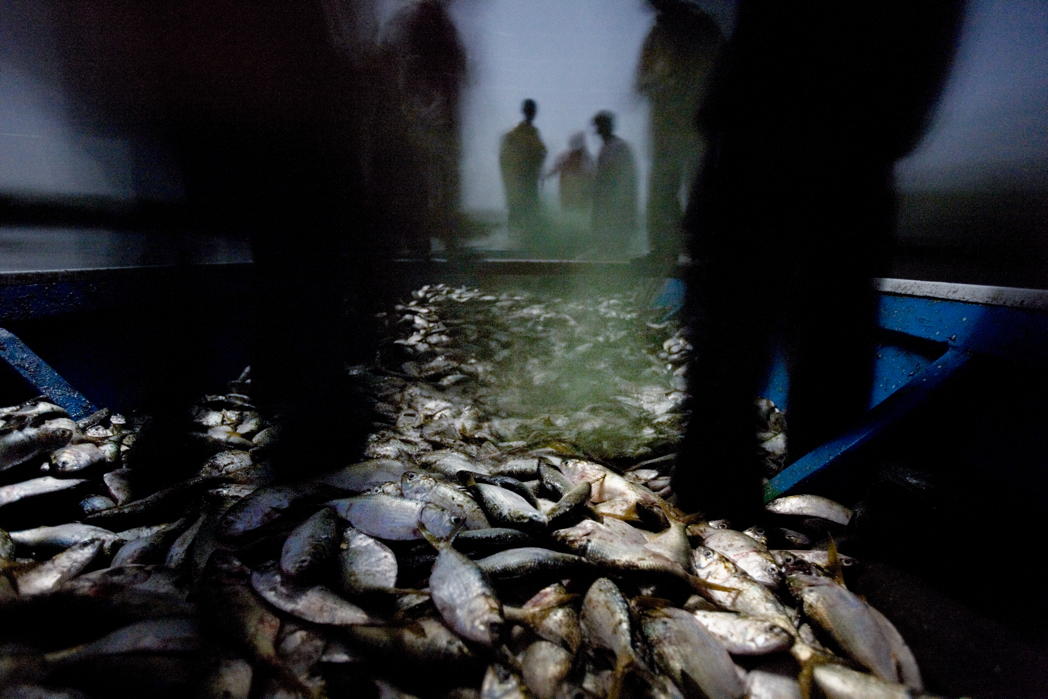
Even more pressing is the question in fisheries: do fish feel well under more respectful fishing methods? Certainly not, not in any conceivable case! At best, they are stunned and killed immediately after being hooked or netted — in stark contrast to common fishing practices, but still: would you feel well being killed? The literal mislabelling is obvious, and again, we should call it a fish that has suffered less, if a fishery’s efforts even merit that claim.
A plea for a highest standard fish label
Two conclusions can be drawn from the above.
1) We could at least be honest enough to abandon the claim ‘animal welfare’ and instead talk about steps to minimise animal suffering.
2) Or we put animal welfare first and renounce any practice that is not in line with it. This would not necessarily mean renouncing animal products and their slaughter, provided it is done in a way that we ourselves would accept: a good life and a good death.
Certification schemes can pave the way for stricter rules that over time will bw followed by everyone in the industry. This is why they are a valid tool, as much as they may be criticised; as long as they learn from it and improve, progress can still be achieved across the industry in the long run. However, and especially in animal husbandry, certification schemes tend to prolong industrial practices that we should end as soon as possible for ethical and environmental reasons. The longer I have worked in this field, the more I have sided with the critics. In my experience, for all cases where animals are employed, we need certification systems that set the highest standards and can serve as a benchmark for all other schemes and policies, even when setting the example on a small market share only.
To give an example: In Switzerland, there is a small organisation called KAGfreiland, founded in 1972, which sets the highest organic and free-range standards for farm animal husbandry in the world and has built a small market based on cooperation between certified farmers, consumers and shops [2]. The example of KAGfreiland has forced the larger organic organisations to adopt stricter guidelines for animal husbandry. Similarly, fair-fish has developed and applied the world’s most ambitious fisheries certification system as part of its project with artisanal fishers in Senegal [4]. After the project came to an end, certification activities were discontinued, but the standard continued to serve as a benchmark.
I would like to encourage the pioneer stakeholders in fisheries and aquaculture to come together [5] and lead by examples in order to break their colleagues out of a certain complacency.
Title picture:
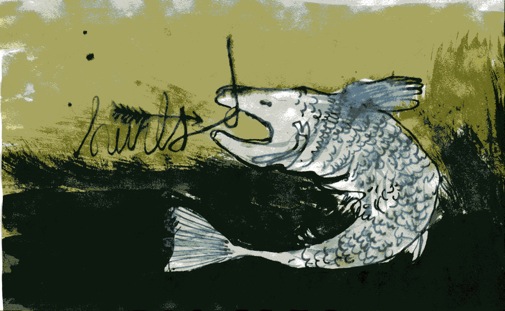
Drawing by Kasia JackowskaReferences:
[1] Lewis Bollard: ‚In defence of the certifiers‚
[2] fair-fish database , then filter by ‚Welfare Score‘, ‚Potential‘
[3] https://kagfreiland.ch (the author has been its director, 1985-2001)
[4] fair-fish guidelines for aquaculture and fisheries (the author was the founder and has been the director and president of fair-fish, 1997-2023)
[5] Animal welfare (the author presented ‚From the fish’s perspective — animal welfare beyond marketing‘ at Aquaculture Horizons 2025)
Suche:
Übersetzen · Translate
Alle Themen · All topics:
Stichwortliste · Keyword list
animal suffering Animal welfare artisanal fisheries Batäubung Belt-and-Road-Initiative Blauhai Bosporus bottom trawl bycatch Canada Catch Welfare Plattform certification CFFA CAPE Chancay Chile China Containerhafen Don Staniford Erderwärmung escapes EU Europa Exclusive Economic Zone EEC fair-fish fair-fish database Faroe Fischereiabkommen Fischereisubventionen Fischmehl Fischöl fisheries agreements fisheries management FishEthoGroup fish meal fish oil Fish stocks Fish welfare Gesellschaft Greenpeace Humpback whale ICES ICSF Intelligenz International maritime law Invertebraten Kognition Korruption labels Lachs Lachszucht Litopenaeus vannamei Marine Protected Areas (MPA) migration mortality Mycroprotein Nervensystem North-east Atlantic Oceana Oktopoden Omega-3 Ostsee Pacific whiteleg shrimp Pakistan Panamakanal Parasiten Peru Philippines phytoplankton play Pole and line Polen Rainer Froese Raumfahrt Ray Hilborn Reducing animal suffering Salmon Sandtigerhai Schifffahrt Schottland sea lice Seawater Cube Senegal Slapp small-scale fisheries small scale fisheries stocking density Tierleid Tierschutz Tintenfische UK US Navy Venezuela Westafrika whales Whale shark Wirbellose WTO Zivilisation Zooplankton Überfischung
Artikelarchiv · Articles by date
-
Is there any justifiable way of shrimp farming?
In the post ‚Is there animal welfare for shrimps?‘ of 05.08.2023 [1] I mentioned that there are a few ’shrimp farmers who really try hard to do the best, also for the animals‘. I have known the company SwissShrimp.ch since its beginnings; if farming shrimps at all, then like this, I have already been quoted as saying.
I invited the managing director Rafael Waber to comment on my critical post of SAiugust 2023. He passed the request on to his colleague Alberto Delgado, an experienced biologist, and sent me his reply together with a few words of his own:
„What I notice: Our biologists, who deal intensively with the animals and „accompany“ them, are very animal-friendly. This goes so far that they have tears in their eyes when some animals have died overnight (naturally). This fact is „good news“ for animal welfare in aquacultures and not comparable to the industrialised, anonymous open-air rearing overseas.‚
———
‚We are on the right track‚
Biologist Lutgardo Alberto Delgado Alarcon, who comes from Ecuador and works for SwissShrimp, writes to us:
‚We have had a hard job with larvae and juveniles. But we are on the right track because we have a lot of shrimps and mortality is minimal — unlike before. As we said from the beginning, we had to clean the system and the salt mixture, disinfect it and change our method. So now we are happy with the first delivery of larvae. In the juvenile stage we are now harvesting, and at this stage we have some indicators of shrimp welfare. Other indicators for animal welfare we can control already before, that is the advantage of a recirculation aquaculture system (RAS).‘
Disease risk
Diseases found in the normal shrimp microflora can thrive at high stocking densities and lead to outbreaks. This is something we are working on. Since we do not have a quarantine, we count the bacteria when new larvae arrive to avoid too high a density in our tanks. We provide enough food for the shrimps to develop, and we disinfect the materials with lemon juice, a natural method that works.
Indiscriminate use of antibiotics promotes the development of antibiotic-resistant bacteria. Part of the solution in this case is prevention through best animal welfare practices. To begin with, use probiotics from a well-known brand; in the future, perhaps our own probiotic cultures of non-pathogenic bacteria will populate our breeding tanks.
Water quality
Oxygen and ammonia levels, temperature, salinity and pH are critical to the well-being of all aquatic life, including shrimps. Improper water management can contaminate adjacent waters and lead to salinisation and acidification of the RAS. In addition, this impairs the immune system of the shrimps, which in extreme cases die through suffocation or poisoning. This is exactly what happened to us once; thanks to the work of our team, we were able to fix it, which shows in the quality of our shrimps.
Reproduction
Crushing or cutting off the eyestalk of females to achieve rapid maturation is still widespread. Since we have our hatchery in Ecuador, we promote maturation without this enormously stressful procedure. We find that the breeding animals live longer and that their offspring grow bigger and are more resistant to stress. Only the maturation of the females takes a little longer and requires a special diet. Reproduction without eyestalk removal is in the interest of good breeding and will continue to be used in our local breeding programme.
Slaughter
Stunning with water temperatures below zero degrees is very useful, quick and causes no stress or suffering to the shrimp.
Animal welfare protocol
In the future we will be able to develop an animal welfare protocol for our shrimps. In any case, we are always working on their welfare because we know from experience that they are the best shrimps and the standards we apply allow us to get good results. For example, we now find lipids in the midgut gland (hepatopancreas) of our shrimps, an important indicator of good health.
Stocking density
Today we know exactly how many shrimp we have per tank and can therefore calculate the nutrients, proteins, and vitamins our shrimp need to grow. And we can also control the speed of shrimp moulting. Thanks to a stronger cleaning of the tank bottom, the light intensity in the tanks is good; we don’t have to vacuum as often.
All this means that we don’t stress our shrimps and we can be sure that they are ‚happy, healthy shrimp’.“
———
Why do we need shrimp?
Despite all efforts to make life in captivity as comfortable as possible for the animals: aquaculture cannot provide the natural habitat and its opportunities and challenges. So why should shrimps be farmed? Do we even need shrimps for our diet? Do we need so many shrimps for our enjoyment? Wouldn’t it be wiser for us to be content with those shrimp that a sustainable fishery can provide?
Or is it the other way round, that we have to accept that altogether too many shrimps are eaten, and that it is therefore better to farm them as gently as possible and as close to the consumers as possible? So is SwissShrimp an example to be emulated? Certainly not for the continuation of mass consumption of shrimp; because the overall very considerate production leads to prices that are contrary to high consumption.
➜ What do you think about these questions?
Title picture:
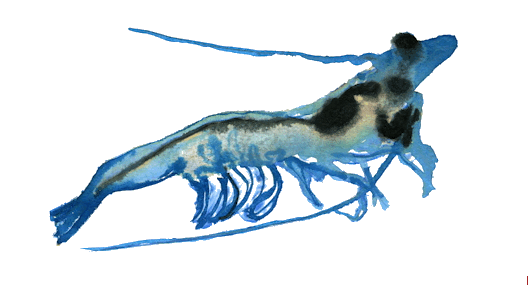
Pacific whiteleg shrimp Litopenaeus vannamei (drawing by Kasia Jackowska)
Reference:
[1] Is there animal welfare for shrimps?
Suche:
Übersetzen · Translate
Alle Themen · All topics:
Stichwortliste · Keyword list
animal suffering Animal welfare artisanal fisheries Batäubung Belt-and-Road-Initiative Blauhai Bosporus bottom trawl bycatch Canada Catch Welfare Plattform certification CFFA CAPE Chancay Chile China Containerhafen Don Staniford Erderwärmung escapes EU Europa Exclusive Economic Zone EEC fair-fish fair-fish database Faroe Fischereiabkommen Fischereisubventionen Fischmehl Fischöl fisheries agreements fisheries management FishEthoGroup fish meal fish oil Fish stocks Fish welfare Gesellschaft Greenpeace Humpback whale ICES ICSF Intelligenz International maritime law Invertebraten Kognition Korruption labels Lachs Lachszucht Litopenaeus vannamei Marine Protected Areas (MPA) migration mortality Mycroprotein Nervensystem North-east Atlantic Oceana Oktopoden Omega-3 Ostsee Pacific whiteleg shrimp Pakistan Panamakanal Parasiten Peru Philippines phytoplankton play Pole and line Polen Rainer Froese Raumfahrt Ray Hilborn Reducing animal suffering Salmon Sandtigerhai Schifffahrt Schottland sea lice Seawater Cube Senegal Slapp small-scale fisheries small scale fisheries stocking density Tierleid Tierschutz Tintenfische UK US Navy Venezuela Westafrika whales Whale shark Wirbellose WTO Zivilisation Zooplankton Überfischung
Artikelarchiv · Articles by date
-
Is there animal welfare for shrimps?
A study [1] published in 2022 concludes that ’still little is known about some key parameters related to the five welfare dimensions, as they might be applied to penaeid shrimp‘ — in stark contrast to the knowledge on nutritional needs, stress physiology, immunology and disease control in shrimp farming.
According to the authors, shrimp aquaculture still faces challenges like developing best practices, staff training, monitoring of aquatic environment and animal behaviour, and a welfare assessment throughout the entire life circle.
A similar study [2] published in 2023 argues that welfare of shrimps ‚cannot be communicated to the consumer in a scientifically sound manner‘. The behaviour of decapod crustaceans suggests that they perceive pain perception, the authors admit, ‚but distress has rarely been evaluated under routine aquaculture conditions and markers for chronic stress detection need to be identified‘. Therefore, ‚a comprehensive assessment of chronic stress should be carried out‘ across all life stages. ‚We need evaluation criteria for animal welfare in crustacean farming‘, as the lead author explains in an interview [3] where he states that in addition to identifying stress parameters, the growing potential of automated behavioural assessment should be exploited.
Can research improve shrimp welfare?
Will research of the kind solve the problem of lack of welfare for shrimps? Science itself provides doubt. A look at the findings on the ethology and the welfare of Pacific whiteleg shrimps (Litopenaeus vannamei [4]) and Giant tiger prawns (Penaeus monodon [5]) shows that most of the essential needs of these species cannot be met in aquaculture, not even when a farmer does best as he can. Commercial farming will never be able to provide the horizontal and vertical dimensions needed to provide the individuals with the space and substrate they require in their natural habitat, consequently, aggression and stress are an issue, and suffering at the time of slaughter is yet unresolved. So, why farm shrimps of all aquatic animals?
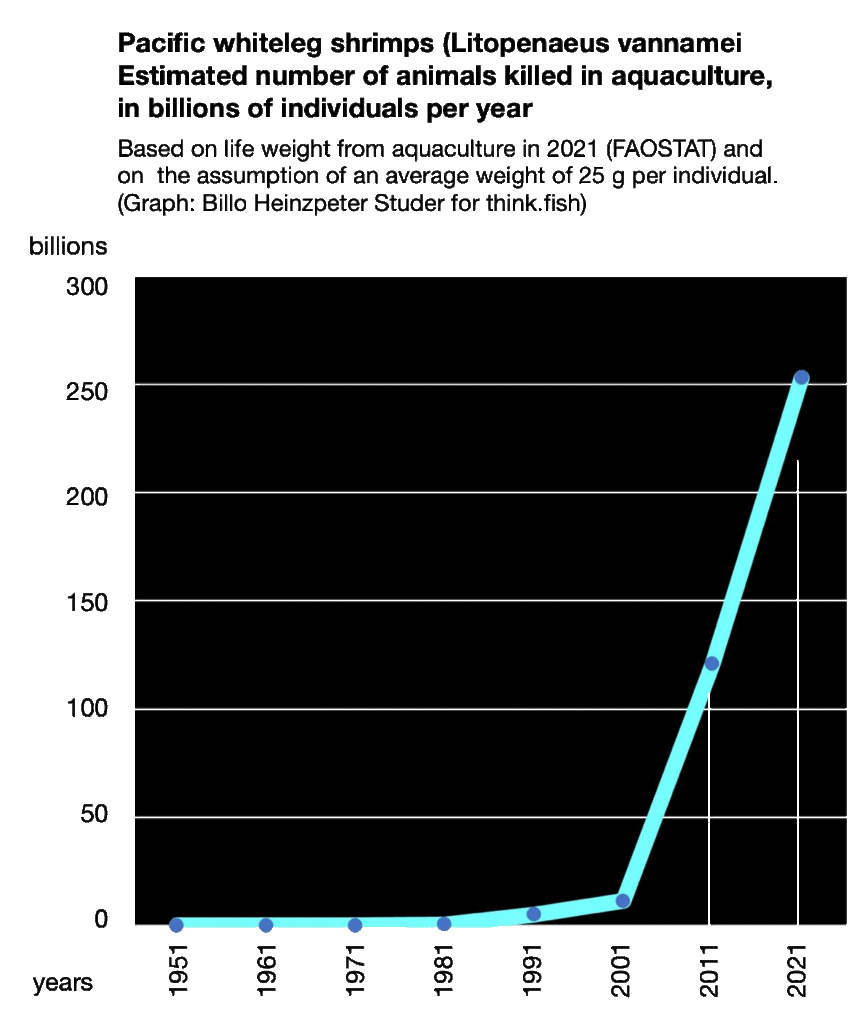
There is a second good reason to ask: why shrimps? Let’s look at the most farmed crustacean species, L. vannamei, which is one of the species with the highest number of animals killed per year for human food [6]: In 2021, harvest was 6’324’549 tonnes of farmed and 24’043 tonnes of wild catch |7], which transforms in estimates of animals killed per year from over 100 billion to over 1200 billion animals, depending on the market size ranging from 5 to 57 grams per individual [8].
Only the Peruvian anchoveta (Engraulis ringens) is affected in similar numbers, estimated between 139 and 555 billion animals killed per year [9]. However, there is a huge difference between the human impact on the two species: Anchovies are caught in the wild, i. e. they lived under their natural conditions, whereas shrimps are mainly farmed. In the case of L. vannamei only 4 percent of the live weight lifted annually are wild catch. This disproportion is far form being self-evident; farming of L. vannamei (and of shrimps in general) is a very recent phenomenon, as shown in the graph.
To put it bluntly:
- Do we really need research to improve details in the life of farmed shrimps when we know that no farming system will ever be able to cope with their natural needs?
- And do we really need to eat very small animals, knowing that they have to be killed in enormous numbers to fill our plate?
What can be done?
- You cannot directly influence the fact that many persons are craving for shrimps
- Instead, you could reconsider your own consumer behaviour.
- And you could bring up the issue when the opportunity arises and provide information of this kind.
Sure, there are some shrimps farmers who really try hard to do the best, also for the animals, but they are few and will not be able to cover the high and ever growing demand for shrimps. Be happy when you found such a farmer and enjoy the delicatesse with due containment, maybe once a year.
PS:
Should you be a shrimp farmer or a shrimp vendor and be convinced that you do verifiably better, please let us know, either by leaving your comment here or by writing a post in our group.
think.fish is a place where more than just one side of the coin can be told. (Please check our rules first.)
Title picture:
Pacfic whiteleg shrimps Litopenaeus vannamei (Drawing by Kasia Jackowska)
References:
[1] Amaya Albalat et al (2022): Welfare in Farmed Decapod Crustaceans, With Particular Reference to Penaeus vannamei.
[2] Sven Würtz et al (2023): Welfare of Decapod Crustaceans with Special Emphasis on Stress Physiology.
[3] Sven Würtz: Wir brauchen Bewertungskriterien für das Tierwohl in der Krebstierzucht
[4] https://fair-fish-database.net/db/21/farm/shortprofile/
[5] https://fair-fish-database.net/db/21/farm/shortprofile/
[6] Maybe with the exception of farmed insects, but then, insects are sentient as well, see e.g: Claudio Carere, Jennifer Mather (Eds., 2019): The Welfare of Invertebrate Animals
[7] FAOSTAT https://www.fao.org/faostat/en/#home
[]8] Shrimp size chart
Suche:
Übersetzen · Translate
Alle Themen · All topics:
Stichwortliste · Keyword list
animal suffering Animal welfare artisanal fisheries Batäubung Belt-and-Road-Initiative Blauhai Bosporus bottom trawl bycatch Canada Catch Welfare Plattform certification CFFA CAPE Chancay Chile China Containerhafen Don Staniford Erderwärmung escapes EU Europa Exclusive Economic Zone EEC fair-fish fair-fish database Faroe Fischereiabkommen Fischereisubventionen Fischmehl Fischöl fisheries agreements fisheries management FishEthoGroup fish meal fish oil Fish stocks Fish welfare Gesellschaft Greenpeace Humpback whale ICES ICSF Intelligenz International maritime law Invertebraten Kognition Korruption labels Lachs Lachszucht Litopenaeus vannamei Marine Protected Areas (MPA) migration mortality Mycroprotein Nervensystem North-east Atlantic Oceana Oktopoden Omega-3 Ostsee Pacific whiteleg shrimp Pakistan Panamakanal Parasiten Peru Philippines phytoplankton play Pole and line Polen Rainer Froese Raumfahrt Ray Hilborn Reducing animal suffering Salmon Sandtigerhai Schifffahrt Schottland sea lice Seawater Cube Senegal Slapp small-scale fisheries small scale fisheries stocking density Tierleid Tierschutz Tintenfische UK US Navy Venezuela Westafrika whales Whale shark Wirbellose WTO Zivilisation Zooplankton Überfischung
Artikelarchiv · Articles by date
-
Attitudes towards animals can be changed — but how?
In his recent newsletter [1], Lewis Bollard, farm animal welfare programme officer at Open Philanthropy, makes a very interesting point. Starting with the question of why humans love some animals while disregarding or mistreating others, Lewis cites several studies that show an astonishingly small difference in the importance people place on the welfare of farm or companion animals — in world regions as diverse as North America, Latin America, Africa, Asia, Oceania, and Europe. In countries such as Sudan or Bangladesh, people even place slightly more importance on the welfare of farm animals.
Animal welfare laws of most countries consider cruelty against animals a crime. And yet there are exceptions and loopholes for factory farming, where cruelty to so many animals is part of their everyday life, for more than a dozen animals per human being. Why? Lewis is not satisfied with popular theories about lacking knowledge on animals’ needs, the reduction of animal complexity to arbitrary tests, cultural habits, the anthropocentric preference of animals looking like human children, the limits of our moral circle, etc.
We mostly don’t want to know—yet there’s hope
Lewis argues that the abuse of animals happens when it is convenient, ’normally because there’s money to be made‘. But, he continues, ‚only a tiny fraction of people systematically abuse animals‘, because ‚factory farms and slaughterhouses employ far less than one percent of the world’s population‘. Thus, the question is: ‚Why do the rest of us allow, and pay them to abuse animals?‘ Because, Lewis argues, ‚most people have no idea how animals are treated‘, and consequently a ’survey finds that most (US-)Americans agree that the animal foods I purchase usually come from animals that are treated humanely‘. The main reason for it, Lewis says, is that ‚we mostly don’t want to know‘.
Amidst the contradiction between the love of pets and the disregard for the fate of farm animals, however, Lewis also sees hope. Because, in contrast to most social movements, the movement for animal welfare does not have to persuade people, as most people are already against the mistreatment of animals. ‚Our task is to mobilise that support into corporate and legislative change”‘ Lewis concludes.
Comment: What could be done
It is true, cruelty towards animals is a no-go for most people. Then, why is it still so hard to translate this passive attitude into a massive shift in food production so far based on factory farming? What is the sticking point we still oversee, after all these campaigns against the industrial use of animals, after all these campaigns advocating better animal welfare or reducing the consumption of animal products?
I think we can tell an overwhelming number of good and beautiful stories about the normal natural life of the animals we are used to using. Especially in the case of aquatic animals because still every second seafood plate comes from the wild and aquaculture history is still very young, so the way of how this animals live in nature is easy to tell, and thousands of unique stories can be told. Once we succeed in bringing natural life — including needs and behaviour — of food animals home to the eaters, they will more or less draw conclusions for their daily life by themselves.
This positive approach has its parallel in a paradigm shift in animal welfare science, which has long focused on reducing pain and suffering and only recently began to study positive emotions in animals as well.
Title picture
Drawing by Kasia Jakowska
Reference:
[1] https://farmanimalwelfare.substack.com/p/we-love-animals-why-do-we-torture?
Suche:
Übersetzen · Translate
Alle Themen · All topics:
Stichwortliste · Keyword list
animal suffering Animal welfare artisanal fisheries Batäubung Belt-and-Road-Initiative Blauhai Bosporus bottom trawl bycatch Canada Catch Welfare Plattform certification CFFA CAPE Chancay Chile China Containerhafen Don Staniford Erderwärmung escapes EU Europa Exclusive Economic Zone EEC fair-fish fair-fish database Faroe Fischereiabkommen Fischereisubventionen Fischmehl Fischöl fisheries agreements fisheries management FishEthoGroup fish meal fish oil Fish stocks Fish welfare Gesellschaft Greenpeace Humpback whale ICES ICSF Intelligenz International maritime law Invertebraten Kognition Korruption labels Lachs Lachszucht Litopenaeus vannamei Marine Protected Areas (MPA) migration mortality Mycroprotein Nervensystem North-east Atlantic Oceana Oktopoden Omega-3 Ostsee Pacific whiteleg shrimp Pakistan Panamakanal Parasiten Peru Philippines phytoplankton play Pole and line Polen Rainer Froese Raumfahrt Ray Hilborn Reducing animal suffering Salmon Sandtigerhai Schifffahrt Schottland sea lice Seawater Cube Senegal Slapp small-scale fisheries small scale fisheries stocking density Tierleid Tierschutz Tintenfische UK US Navy Venezuela Westafrika whales Whale shark Wirbellose WTO Zivilisation Zooplankton Überfischung
Artikelarchiv · Articles by date