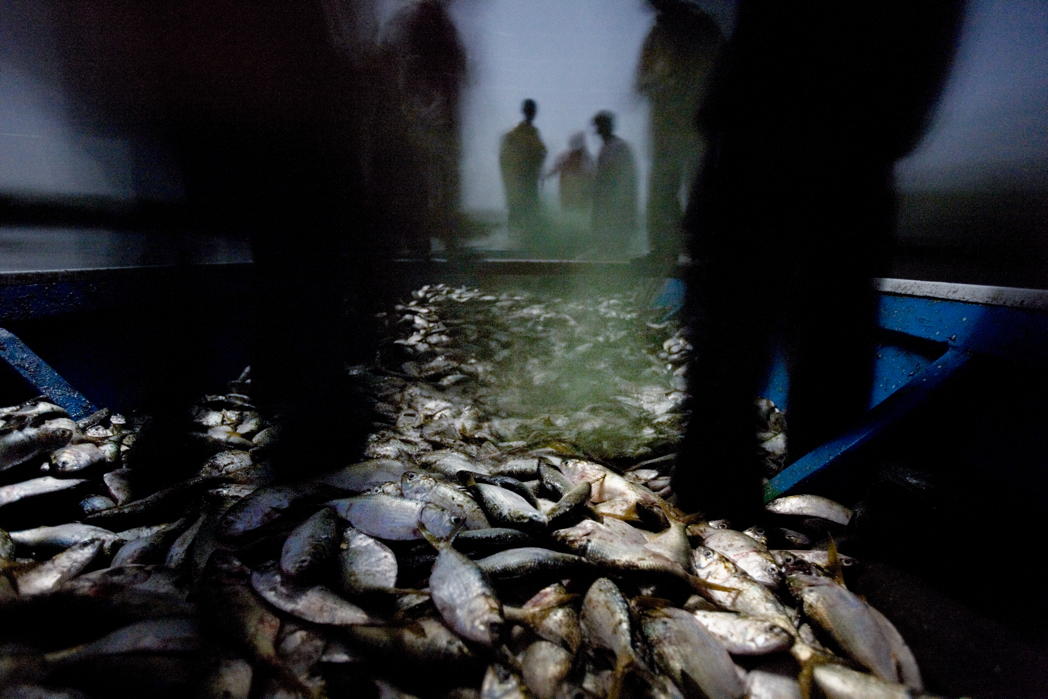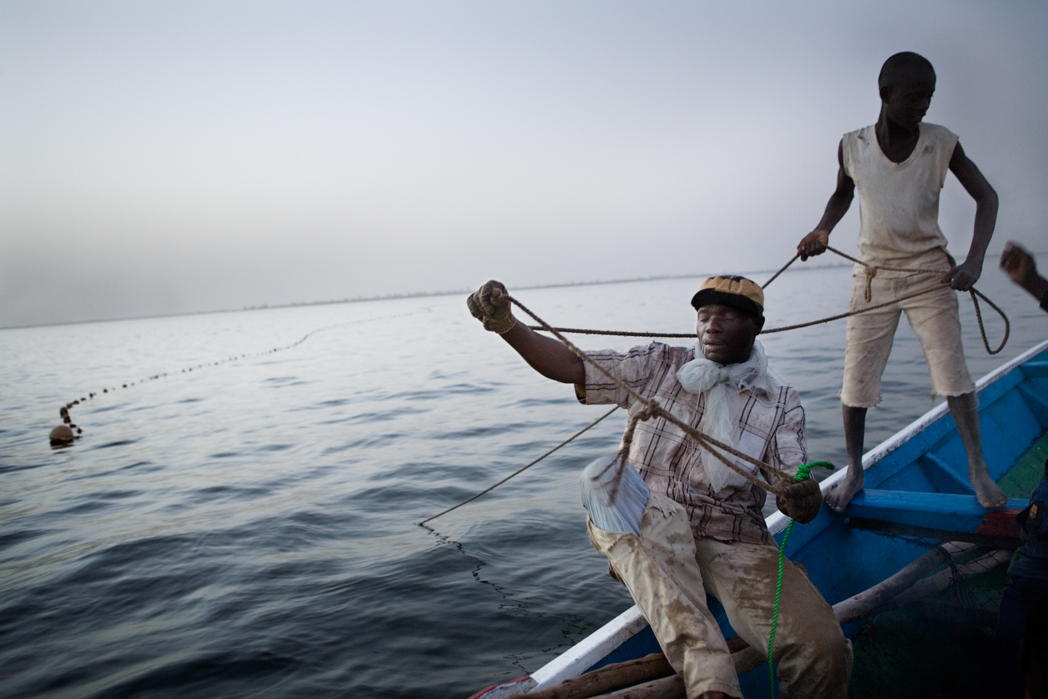
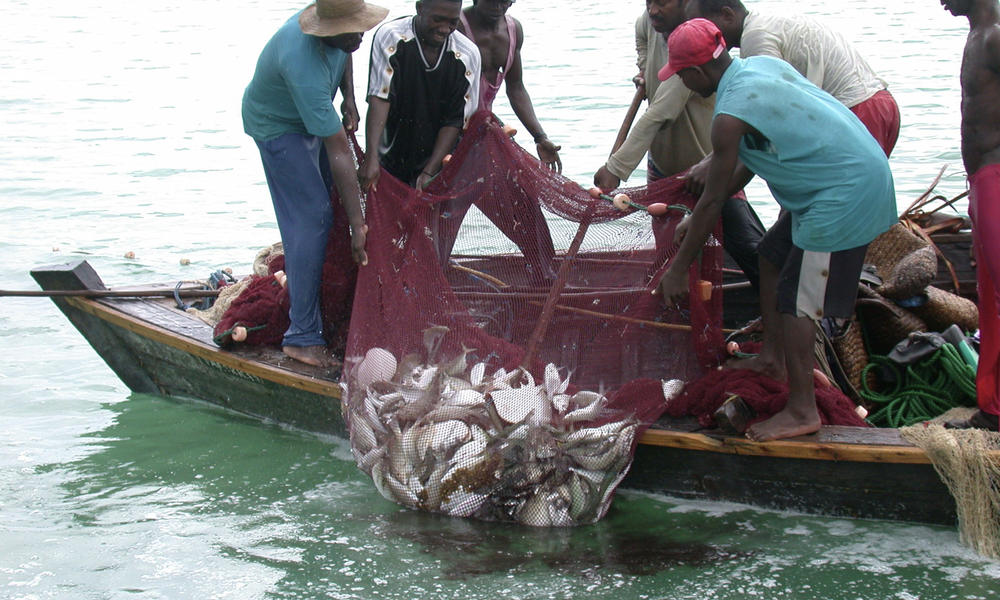
Producers, sellers, and consumers of slaughtered animals try to resolve the cognitive dissonance between the desire to be a good person and the fact of taking part in something cruel. This gives rise to terms such as ‘humane slaughter’ or ‘animal welfare in fishing’ — both of which are simply impossible if we think about it carefully. But there is still much we can do.
In English, ‚humane slaughter‘ has become a catchphrase whose meaning everyone more or less understands (make sure not to forget the ‚e‘, though). If you search for this term you will find the UK-based ‚Humane Slaughter Association‘ [1], a US federal law called ‚Humane Slaughter Act‘ [2], a critical article with the title ‚What a pain: the ethics of killing animals humanely‘ [3], et cetera.
But try to translate it! At DeepL, you can find the German equivalents ‚menschenwürdige Schlachtung‘ and ‚humane Schlachtung‘, but also ‚menschliche Schlachtung‘ which could be misunderstood as ‚human slaughter‘, a little bit similar to the French translation ‚abattage humain‘ and ‚macellazione umana‘ in Italian, not to mention the aberrant suggestion ‚matanza humanitaria‘ for Spanish, for which DeepL also suggests ’sacrificio no cruel‘, the use of which I rather doubt in this context.
The DeepL translation that convinces me the most is ‚abattage sans cruauté‘ for French. It touches on the true meaning of the concept called ‚humane slaughter‘ or ‚animal welfare at slaughter‘ [4]: to avoid unnecessary cruelty by reducing stress, pain and duration of the killing as much as possible.
Killing and catching simply hurts and destroys
As a matter of fact, there is no such thing as ‚humane slaughter‘. We should simply stop using such sugarcoating terms. When it comes to the Homo sapiens species, we may say that an employer cares for humane working conditions or a city council ensures humane housing for the less well-off, but could we say that a government provides a humane war for its soldiers with?
The same applies for ‚animal welfare in fisheries‘: it is simply impossible! Four years ago I drafted a research project, probably the first of this kind, with the aim of identifying the fishing method for each target species that allows to reduce the suffering as much as possible. Hence, my working title was ‚Reduction of animal suffering in fisheries‘. As we started the project, most of my colleagues rejected the title because they thought it was too negative. They proposed ‚animal welfare in fisheries‘ of all things, which I opposed as greenwashing, at least we would call it if others did. The claim which my former colleagues now use for the Carefish/catch project [5] is ‚promoting better fishing standards‘, sounds nice but can mean anything else.
Why should we not admit that fishing does harm to the fishes but assert that we try to cause as little suffering as possible? This is exactly what the Carefish/catch project will help to achieve and why it deserves support. As well as the ‚Catch Welfare Platform‘ [6] which recently had its third conference of persons and institutions committed to reduce suffering in fisheries. Even with all the energies united there, I do not believe that we are going to celebrate an outbreak of animal welfare in fisheries…
Taking welfare seriously
Taking ‚animal welfare in fisheries‘ seriously would mean not to fish at all, period. However, given that seafood is the last significant wild resource for high quality protein and some micronutrients on which the populations of many poorer countries depend, it seems more realistic to speak of improving fisheries in environmental, social, and ethical terms.
While fishes are killed for food, more or less respectfully, there is welfare related to fisheries that can be ensured: the ecological well-being of aquatic habitats and the social well-being of the people who work in fisheries. Two other major problems that must be solved, by preventing any pollution of water bodies and by encouraging sellers to pay fishermen a fair price.
First published on 02/12/2023 in the Facebook think.fish group, slightly adapted.
Sources:
[2] https://en.wikipedia.org/wiki/Humane_Slaughter_Act
[3] The Conversation, 9 June 2011
[4] EFSA: https://www.efsa.europa.eu/en/topics/topic/animal-welfare-slaughter
and CIWF: https://www.ciwf.org.uk/research/cattle-welfare-research-farming-practices-insights/the-welfare-of-farmed-fish-during-slaughter-in-the-eu/
[5] https://carefish.net/catch/
[6] https://catchwelfareplatform.com