think.fish blog

  • Artisanal fisheries deserve recognition

    Artisanal fisheries deserve recognition

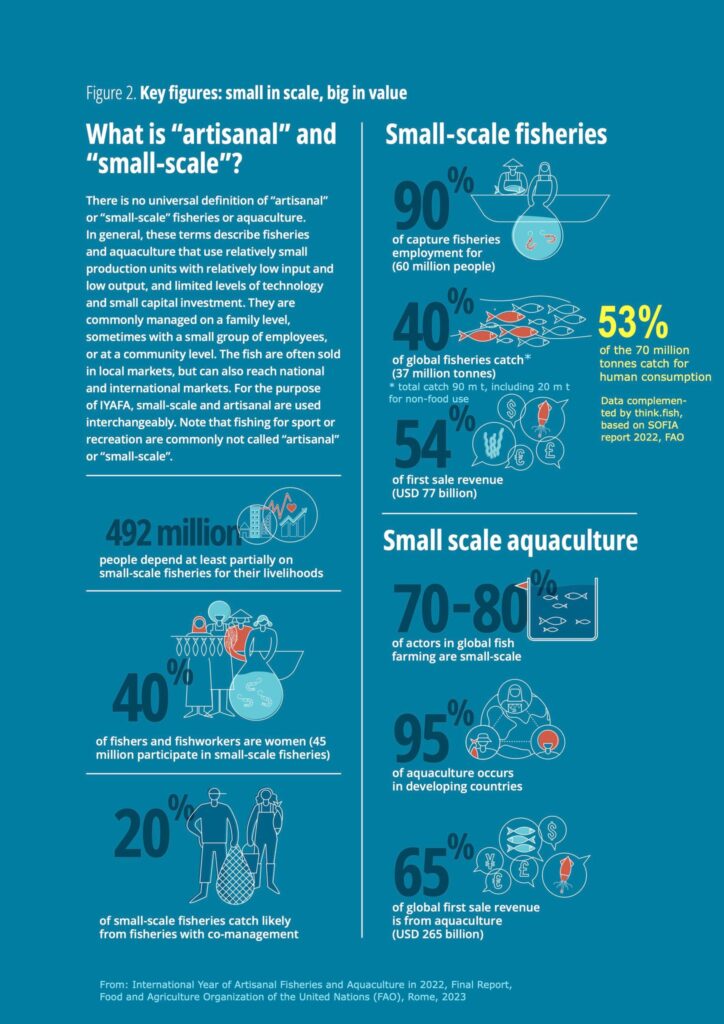
    Artisanal fisheries provide 53% of the fish consumed worldwide, 90% of employment in fisheries, predominantly in the Global South, and 54% of all catch sale revenues (see graph below). They could provide even more if they were not harried by industrial fisheries. Instead, artisanal fisheries are disregarded.

    Artisanal fisher(wo)men in the Global South complain about the frequent disregard of their human rights and demand that their traditional rights to access to water bodies, fishing grounds, landing and transformation sites, and to the market be recognised.

    Fisherwomen in particular complain of discrimination and call for their crucial role in artisanal fisheries, families, and communities to be recognised.

    Fishing communities complain of marginalisation and demand access to public infrastructure, social services, and development.

    On top of these problems, artisanal fisheries on the shores of seas and lakes are among the first to be affected by global warming and therefore need support to overcome its negative impacts.

    This is a short summary of workshops with artisanal fisher(wo)man held during the International Year of Artisanal Fisheries and Aquaculture in 2022, made available through a worth seeing video recently by ICSF [1].

    And what about the fishes?

    The personal summary of one of the ICSF workshop participants is especially interesting:

    Maybe we have to look where we haven’t looked before, put ourselves in the skin of the fish.

    Good point! Putting yourself in the skin of a fish — whether as a consumer, chef,retailer, fishmonger or a primary producer — would also mean to recognise also the rights of the fishes to be at least treated with respect and spared harm as much as possible. It is understandable that fishermen who struggle for their own survival do not pay much attention to the struggle of the animals. A key to substantially reducing animal suffering in fisheries is to improve the living conditions of artisanal fisher communities. The still unrivalled project of fair-fish and artisanal fisheries in Senegal in the noughties [2], which failed because the market was not ready yet, is still waiting for imitators.


    Title picture:
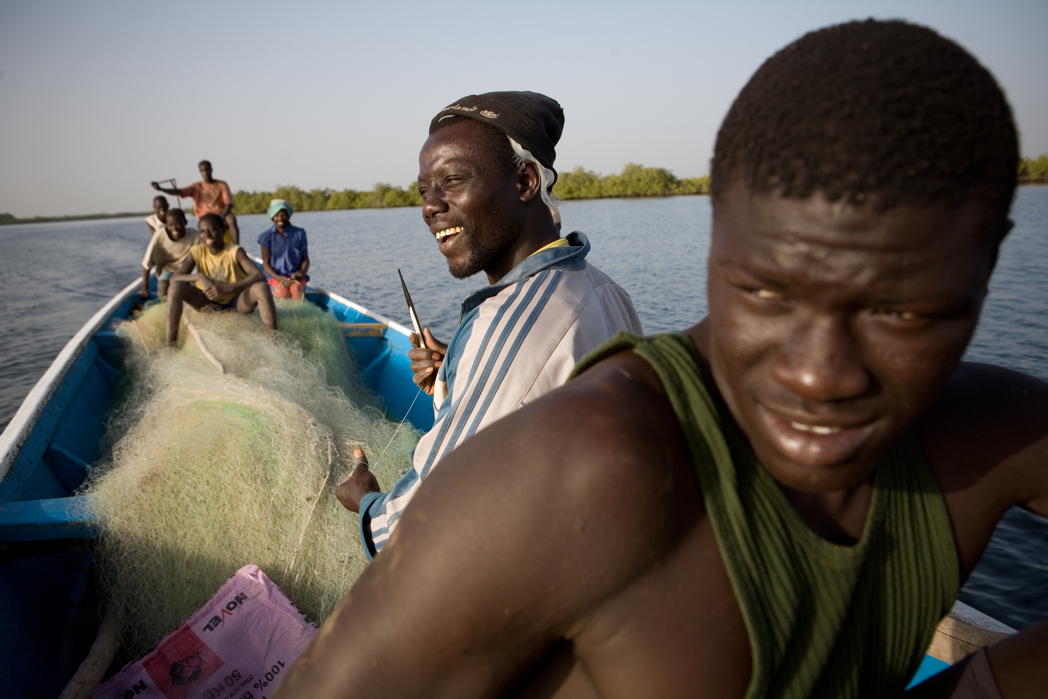
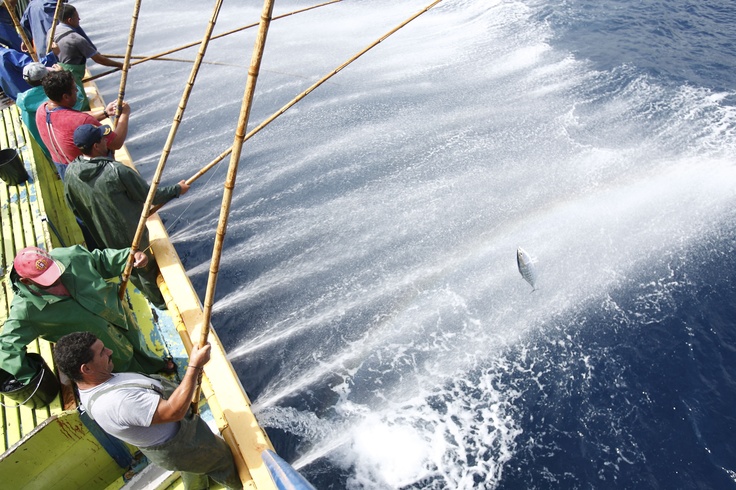
    Artisanal fishermen on the Saloum, Senegal (credit: Michael Hauri)

    Sources:

    [1] Video about the ICSF Workshops in the International Year of Artisanal Fisheries and Aquaculture (IYAFA, 2024). Thanks to the International Collective in Support of Fishworkers (ICSF) that organised the workshops reported by this video,

    [2] see the in-depth chapter in the fair-fish book about the project in Senegal


  • Seafood Business News

    Seafood Business News

    #1: Salmon farming opponent loses court case

    Scottish activist Don Staniford had been forbidden to approach Scottish farming sites of Mowi, the world’s biggest salmon farming company; we reported on it in November 2023 [1]. To be able to continue his investigations on what really happens in industrial salmon farming, Staniford had appealed to the local court which recently followed Mowi’s claim that Staniford has no right to “board, enter onto, physically occupy, attach himself or vessels to all structures, docks, walkways, buildings, floats or pens of Mowi sites” or to “instruct others to act in his place”.
    Staniford is not known to give in. Currently he is considering to appeal to the next instance.
    More
    [1] What are salmon industry leaders trying to hide?

    #2: Schweizer Shrimp-Farm floriert vorübergehend nur technisch

    Die Anlage von Swiss Shrimp bei Rheinfelden ist technisch und betrieblich ein Meisterwerk. Zudem bemüht sich die Belegschaft, den Bedürfnissen der Tiere wenigstens dort nachzukommen, wo es in einem hochindustriellen Umfeld möglich ist. Was derzeit nicht gut läuft, ist der Absatz der frisch geernteten Garnelen. Nach einen Betriebsunterbruch vor einem Jahr wegen Wachstumsproblemen ist die Firma jetzt vom starken Wachstum der Tiere überrascht worden. Beliebig lange können die Garnelen nicht gemästet werden, und tiefgefroren will die Firma sie nicht anbieten. 
    Das aktuelle Absatzproblem erinnert ein wenig an die einstigen wirtschaftlichen Probleme der technisch perfekten Meeresfischzucht im deutschen Völklingen; dort hatte es beim Start an einem produktadäquaten Marketing gefehlt. Swiss Shrimp hingegen war im gehobenen Schweizer Markt bereits gut eingeführt, daher erstaunen die Verkaufsschwierigkeiten. 
    Mehr dazu…

    #3: He once built oil rigs, now floating fish farms

    Fish farming has long become big business and an attraction to carrier changers. A retired oil rig engineer started to build floating high-tech fish farms at the shores of Singapore. This comes as an attempt to secure the supply with fresh seafood for the inhabitants of the South Asian city state which imports 90% of its food, but hopes to source one third locally by 2030.  
    The tanks are filled with filtered seawater of a quality that excludes the necessity of antibiotics, and currents in the tanks try to simulate ocean conditions for the fishes. As often in advanced high-tech aquaculture, high product quality and low impact on the environment seem feasible, yet the welfare of the fishes remains questionable. So far, fish welfare has never been the starting point of technical innovation.
    More…


  • Just give up shark liver oil

    Just give up shark liver oil

    Instead of following a sensible lifestyle, some people who can afford the price and the thoughtlessness are buying shark liver oil products as a dietary supplement to “treat multiple ailments, including wounds, cancer, heart disease, and infertility“. Research is said to have shown ‚health benefits [thanks] to its high alkylglycerol (AKG), squalene, and omega-3 polyunsaturated fatty acid (PUFA, among which Omega-3) content‘ [1].

    Squalene plays a role in topical skin lubrication and protection [2] and was first extracted from the liver of sharks (Squalus), hence its name, but is produced by most living organisms. However, the  highest squalene content is found in the liver of sharks, especially deepwater sharks and rays whose stocks are therefore overfished, with half of the target species threatened with extinction,   according to a recent study [3]. The authors call for ‚immediate trade and fishing regulations‘ to prevent irreversible damage to deepwater species which are especially sensitive to overexploitation due to their late and slow reproduction.

    What you can do

    If you are looking for a product that contains squalene, make sure it does not contain shark liver oil from.

    And since we’re already talking about it, prefer Omega-3 products made from algae over those made from fish or krill.


    Title picture:
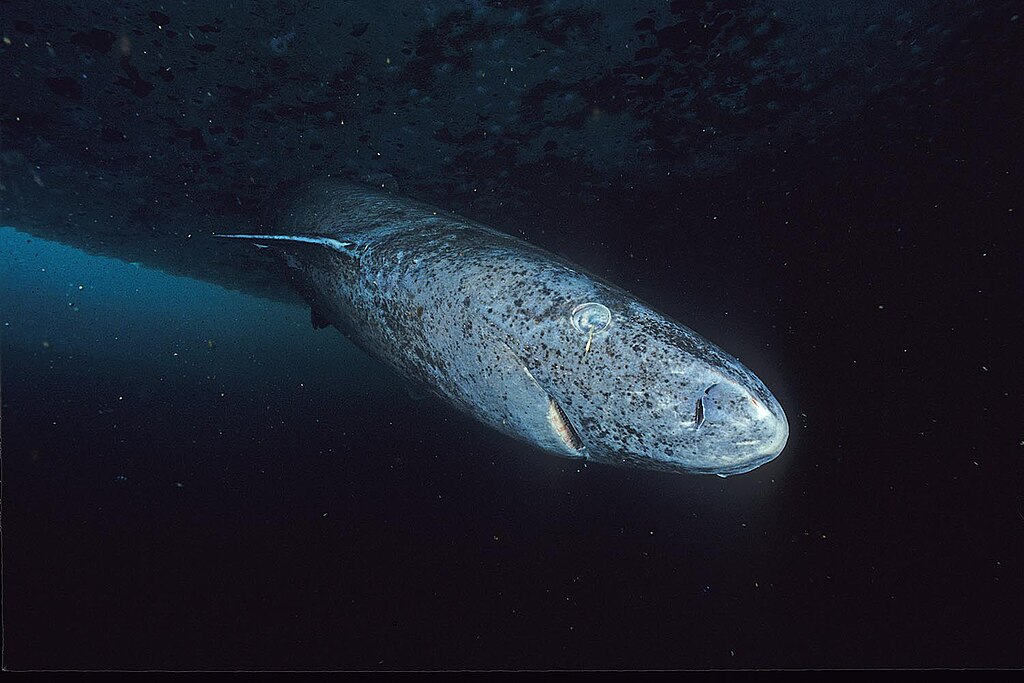
    The enigmatic Greenland shark (credit: Hemming1952 / Wikimedia Commons)
    Find the review of a book on this species, in German: http://billo.ch/blog/?p=2313


    References:

    [1] Shark Liver Oil: Benefits, Uses, and Side Effects

    [2] Squalene

    [3] Fishing for oil and meat drives irreversible defaunation of deepwater sharks and rays


  • Today is Seagrass Day, but maybe not tomorrow…

    Today is Seagrass Day, but maybe not tomorrow…

    Seagrass meadows are an important part of the vulnerable ecosystem between water and land, a habitat for many species and especially for their offspring. But seagrass meadows have become increasingly endangered along many shores which in turn lose the protection against erosion provided by seagrass roots.

    A 30-year-study [1] reveals poor prospects for seagrass meadows. With sea levels rising everywhere, seagrass meadows which grow in shallow water only get increasingly drowned, and many of the new shallow areas along the beaches where seagrass could move to are already occupied by human activities like beach tourism, settlements, harbours, industry, etc.

    While seagrass meadows are vanishing at a rate of 7% per year, scientists and conservationists are trying to restore seagrass [2]. Human ingenuity seems to be almost unlimited. However, as sea levels continue to rise, what we need first of all is the allocation of an almost unlimited share of the newly formed shallow areas—where else would we want to restore seagrass?


    Picture: 
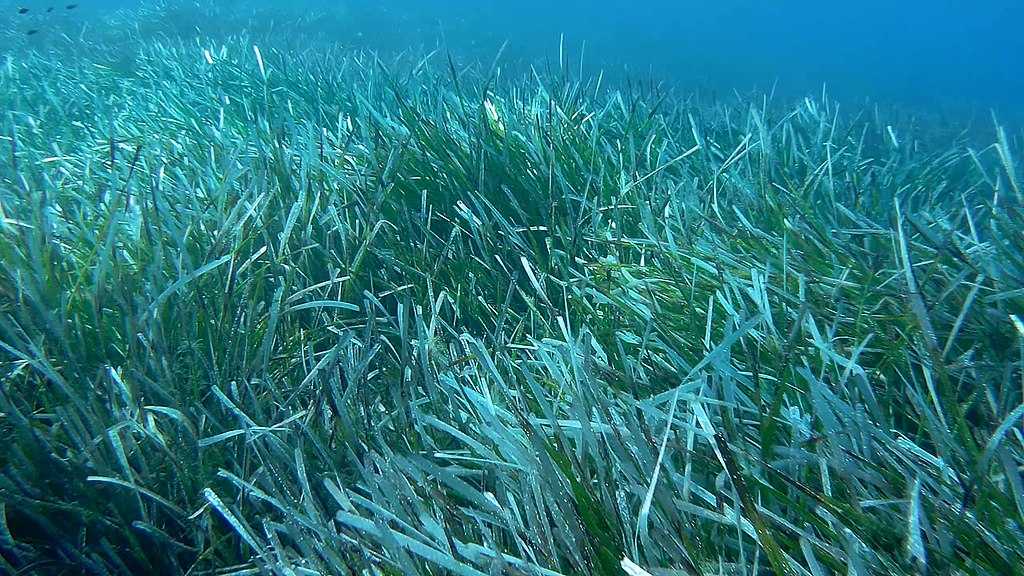
    Seagrass meadow (Posidonia oceanica) (credit: Milorad Mikota / Wikimedia Commons)


    References:

    [1] Rapid sea level rise causes loss of seagrass meadows

    [2] A successful method to restore seagrass habitats in coastal areas affected by consecutive natural events
    See also (in German) about the Majorcan example in preserving seagrass meadows


  • Crazy fish news

    A million salmons killed due to a jellyfish attack

    In a SalMar farming site in Norway, 1.2 million young salmons had to be killed  “for fish welfare reasons” after string jellyfishes (Apolemia uvaria) had invaded the net cages and began to damage or kill the fishes.
    More about it…

    The Mackerel war continues

    After the Scottish fishermen, it’s now up to their Irish colleagues to pretend that Iceland, Faroese and Norway are catching too high share after mackerel stock in the north east Atlantic. It’s kind of a dead end debate between the ones who tried to protect their long ago acquired rights and the ones who profit from the fact that meanwhile the mackerels are swimming higher up north, due to global warming.
    More about it…
    Background information (in German)

    Thailand plans to withdraw some of its fisheries reforms

    The Thai fisheries industry has long been accused for several harmful practices, like a illegal fishing (IUU), violation of the labour rights, lack in quality, etc. Negative press and phase-out of big retailers in the west urged the Thai government to implement reforms some years ago. The government’s planed roll-back is driven by complaints of fishermen that strict IUU rules were threatening their livelihoods. A broad coalition of international and Thai NGOs urge the government to stick to the reforms.
    More about it…

  • Sustainable fishing is not necessarily ‚animal friendly‘ *

    Sustainable fishing is not necessarily ‚animal friendly‘ *

    As a rule of thumb, the more a fishery respects the environment, the more it reduces the suffering of the animals concerned, and vice versa. However, for one of the most sustainable fishing methods, this rule often does not apply yet: fishing by pole and line. Its impact on non-target species and on the aquatic environment is generally as low as neglectable, and its energy demand per ton of catch is much lower than in most other commercial fishing methods. But…

    (mehr …)
  • New aquaculture: all nice people… [1]

    They are all nice people with nice ideas how to feed the world and save the planet and their own business. No greedy capitalists, they believe to be part of the solution. Persons whom you might like to meet to learn more about their mindset. But…

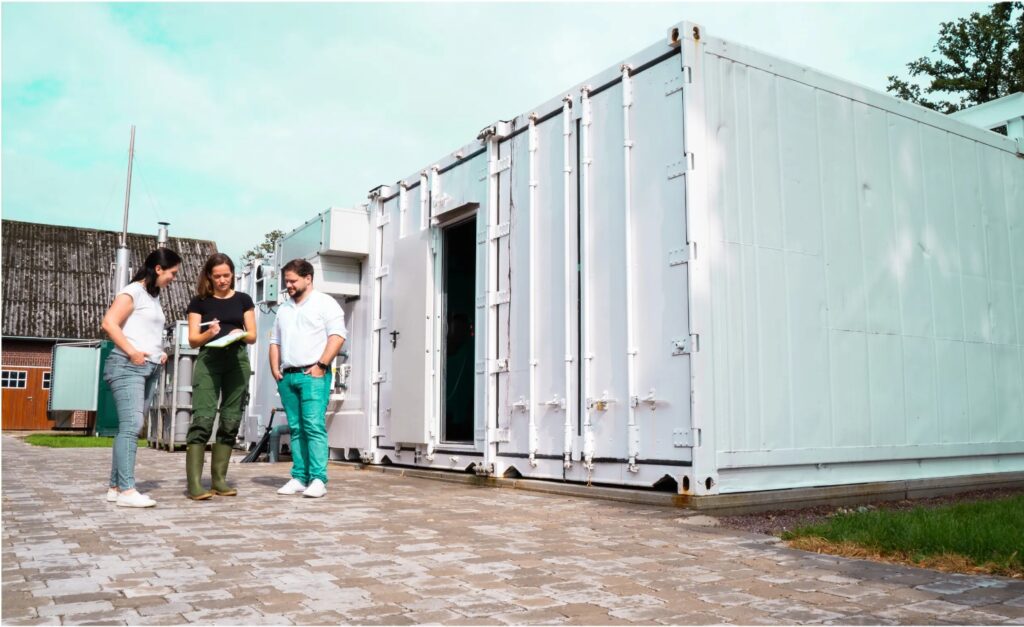
    A Seawater Cube unit and its founders (photo: Seawater Cube)

    The German based ‚Seawater Cubes‘ developed a tiny recirculation aquaculture system (RAS) unit consisting of four shipping containers, able to produce nearly 8 tonnes of fish per year. ‚We thought about how to do RAS better and developed the idea of a decentralised, small-scale approach for on-land fish farming and built a prototype of the idea,‘ the CEO says. ‚We’ve achieved a 98 percent survival rate because of the water quality.‘ [2] Fine so—but are the fishes in these narrow tanks eager to survive?

    .

    Good for the fishes?

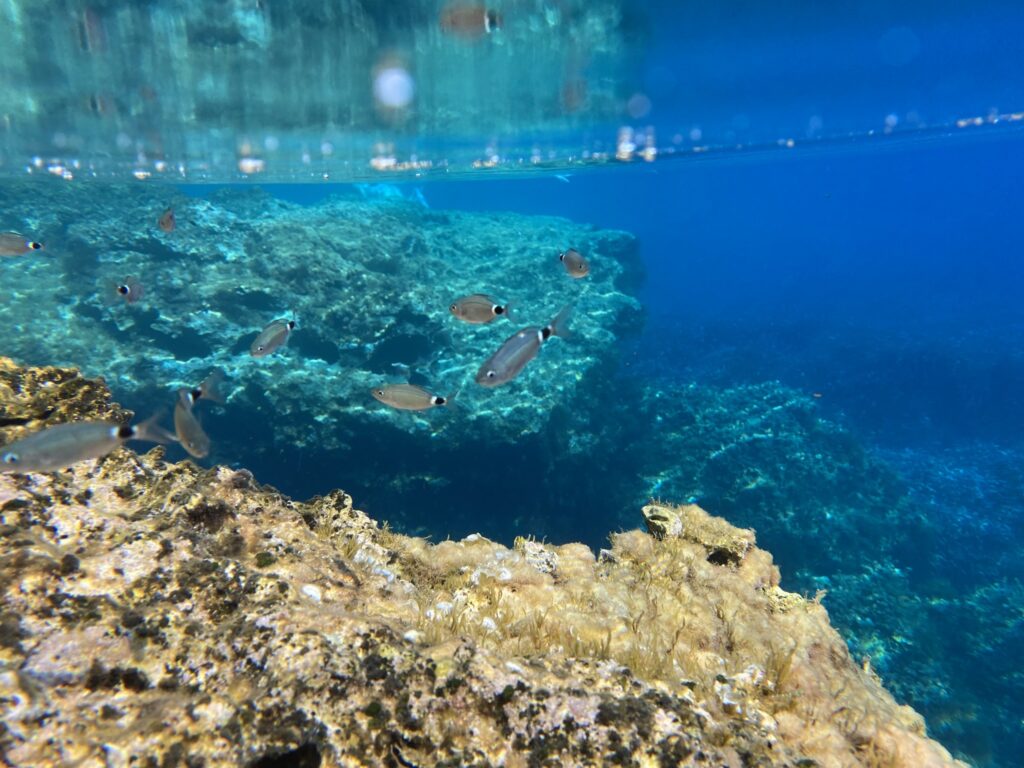
    Seawater Cubes claims that their system helps to keep the stocking density considerably below industry standards, e.g. for Sea bream ’30 percent below the 100 kilo per cubic metres that some scientific papers suggest is possible.‘ Really? This is way beyond usual standards, let alone the species’ natural aggregation habits [3] and its spatial needs for moving horizontally and vertically [4]. At least two of the three founders of Seawater Cubes should know better, having worked for the big RAS plant in Völklingen (Saarland) where Sea breams swim in a huge pool.

    Sea breams near Malta (photo: Snorkelling Malta/Wikimedia).

    .

    Good for the farmers?

    A second question arises: Who is this system designed for? Seawater Cubes claims that its automated unit can be operated as a business alongside, ‚perfect for farmers who are looking to diversify. The daily operation requires about eight hours a week.‘

    C’mon, we’ve been there already, farmers in Switzerland, for example, were promised the moon with RAS modules installed in barns that were no longer in use, a flop. The investment for a Seawater Cube system is about 300,000 euros, an amount that can hardly be amortised by a part-time job.

    .

    What can I do as a consumer?

    Should I hope that this business idea fails before many farmers have to realise their own failure? Or at least for the sake of millions of innocent fishes?

    I could stop from thinking that I need fish once or twice a week to have a healthy live.


    Sources:

    [1] ursprünglich gepostet auf Facebook: https://www.facebook.com/groups/think.fish/posts/870175951328118/

    [2] https://thefishsite.com/articles/the-tiny-ras-with-massive-impact-potential-seawater-cubes

    [3] https://fair-fish-database.net/db/species/sparus-aurata/farm/welfarecheck/ (see criterion 5, aggregation) and https://fair-fish-database.net/…/sparus-aurata/farm/advice (see paragraph 7, stocking density)

    [4] https://fair-fish-database.net/db/species/sparus-aurata/farm/welfarecheck/ (see criteria 1 to 3)


  • Is there any justifiable way of shrimp farming?

    Is there any justifiable way of shrimp farming?

    In the post ‚Is there animal welfare for shrimps?‘ of 05.08.2023 [1] I mentioned that there are a few ’shrimp farmers who really try hard to do the best, also for the animals‘. I have known the company SwissShrimp.ch since its beginnings; if farming shrimps at all, then like this, I have already been quoted as saying.

    I invited the managing director Rafael Waber to comment on my critical post of SAiugust 2023. He passed the request on to his colleague Alberto Delgado, an experienced biologist, and sent me his reply together with a few words of his own:

    What I notice: Our biologists, who deal intensively with the animals and „accompany“ them, are very animal-friendly. This goes so far that they have tears in their eyes when some animals have died overnight (naturally). This fact is „good news“ for animal welfare in aquacultures and not comparable to the industrialised, anonymous open-air rearing overseas.

    ———

    ‚We are on the right track

    Biologist Lutgardo Alberto Delgado Alarcon, who comes from Ecuador and works for SwissShrimp, writes to us:

    ‚We have had a hard job with larvae and juveniles. But we are on the right track because we have a lot of shrimps and mortality is minimal — unlike before. As we said from the beginning, we had to clean the system and the salt mixture, disinfect it and change our method. So now we are happy with the first delivery of larvae. In the juvenile stage we are now harvesting, and at this stage we have some indicators of shrimp welfare. Other indicators for animal welfare we can control already before, that is the advantage of a recirculation aquaculture system (RAS).‘

    Disease risk

    Diseases found in the normal shrimp microflora can thrive at high stocking densities and lead to outbreaks. This is something we are working on. Since we do not have a quarantine, we count the bacteria when new larvae arrive to avoid too high a density in our tanks. We provide enough food for the shrimps to develop, and we disinfect the materials with lemon juice, a natural method that works.

    Indiscriminate use of antibiotics promotes the development of antibiotic-resistant bacteria. Part of the solution in this case is prevention through best animal welfare practices. To begin with, use probiotics from a well-known brand; in the future, perhaps our own probiotic cultures of non-pathogenic bacteria will populate our breeding tanks.

    Water quality

    Oxygen and ammonia levels, temperature, salinity and pH are critical to the well-being of all aquatic life, including shrimps. Improper water management can contaminate adjacent waters and lead to salinisation and acidification of the RAS. In addition, this impairs the immune system of the shrimps, which in extreme cases die through suffocation or poisoning. This is exactly what happened to us once; thanks to the work of our team, we were able to fix it, which shows in the quality of our shrimps.

    Reproduction

    Crushing or cutting off the eyestalk of females to achieve rapid maturation is still widespread. Since we have our hatchery in Ecuador, we promote maturation without this enormously stressful procedure. We find that the breeding animals live longer and that their offspring grow bigger and are more resistant to stress. Only the maturation of the females takes a little longer and requires a special diet. Reproduction without eyestalk removal is in the interest of good breeding and will continue to be used in our local breeding programme.

    Slaughter

    Stunning with water temperatures below zero degrees is very useful, quick and causes no stress or suffering to the shrimp.

    Animal welfare protocol

    In the future we will be able to develop an animal welfare protocol for our shrimps. In any case, we are always working on their welfare because we know from experience that they are the best shrimps and the standards we apply allow us to get good results. For example, we now find lipids in the midgut gland (hepatopancreas) of our shrimps, an important indicator of good health.

    Stocking density

    Today we know exactly how many shrimp we have per tank and can therefore calculate the nutrients, proteins, and vitamins our shrimp need to grow. And we can also control the speed of shrimp moulting. Thanks to a stronger cleaning of the tank bottom, the light intensity in the tanks is good; we don’t have to vacuum as often.

    All this means that we don’t stress our shrimps and we can be sure that they are ‚happy, healthy shrimp’.“

    ———

    Why do we need shrimp?

    Despite all efforts to make life in captivity as comfortable as possible for the animals: aquaculture cannot provide the natural habitat and its opportunities and challenges. So why should shrimps be farmed? Do we even need shrimps for our diet? Do we need so many shrimps for our enjoyment? Wouldn’t it be wiser for us to be content with those shrimp that a sustainable fishery can provide?

    Or is it the other way round, that we have to accept that altogether too many shrimps are eaten, and that it is therefore better to farm them as gently as possible and as close to the consumers as possible? So is SwissShrimp an example to be emulated? Certainly not for the continuation of mass consumption of shrimp; because the overall very considerate production leads to prices that are contrary to high consumption.

    ➜ What do you think about these questions?


    Title picture:
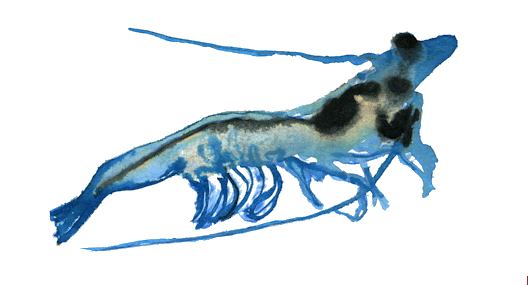
    Pacific whiteleg shrimp Litopenaeus vannamei (drawing by Kasia Jackowska)


    Reference:
    [1] Is there animal welfare for shrimps?


  • Is there animal welfare for shrimps?
    Is there animal welfare for shrimps?
    A study [1] published in 2022 concludes that ’still little is known about some key parameters related to the five welfare dimensions, as they might be applied to penaeid shrimp‘ — in stark contrast to the knowledge on nutritional needs, stress physiology, immunology and disease control in shrimp farming.

    According to the authors, shrimp aquaculture still faces challenges like developing best practices, staff training, monitoring of aquatic environment and animal behaviour, and a welfare assessment throughout the entire life circle.

    A similar study [2] published in 2023 argues that welfare of shrimps ‚cannot be communicated to the consumer in a scientifically sound manner‘. The behaviour of decapod crustaceans suggests that they perceive pain perception, the authors admit, ‚but distress has rarely been evaluated under routine aquaculture conditions and markers for chronic stress detection need to be identified‘. Therefore, ‚a comprehensive assessment of chronic stress should be carried out‘ across all life stages. ‚We need evaluation criteria for animal welfare in crustacean farming‘, as the lead author explains in an interview [3] where he states that in addition to identifying stress parameters, the growing potential of automated behavioural assessment should be exploited.

    Can research improve shrimp welfare?

    Will research of the kind solve the problem of lack of welfare for shrimps? Science itself provides doubt. A look at the findings on the ethology and the welfare of Pacific whiteleg shrimps (Litopenaeus vannamei [4]) and Giant tiger prawns (Penaeus monodon [5]) shows that most of the essential needs of these species cannot be met in aquaculture, not even when a farmer does best as he can. Commercial farming will never be able to provide the horizontal and vertical dimensions needed to provide the individuals with the space and substrate they require in their natural habitat, consequently, aggression and stress are an issue, and suffering at the time of slaughter is yet unresolved. So, why farm shrimps of all aquatic animals?

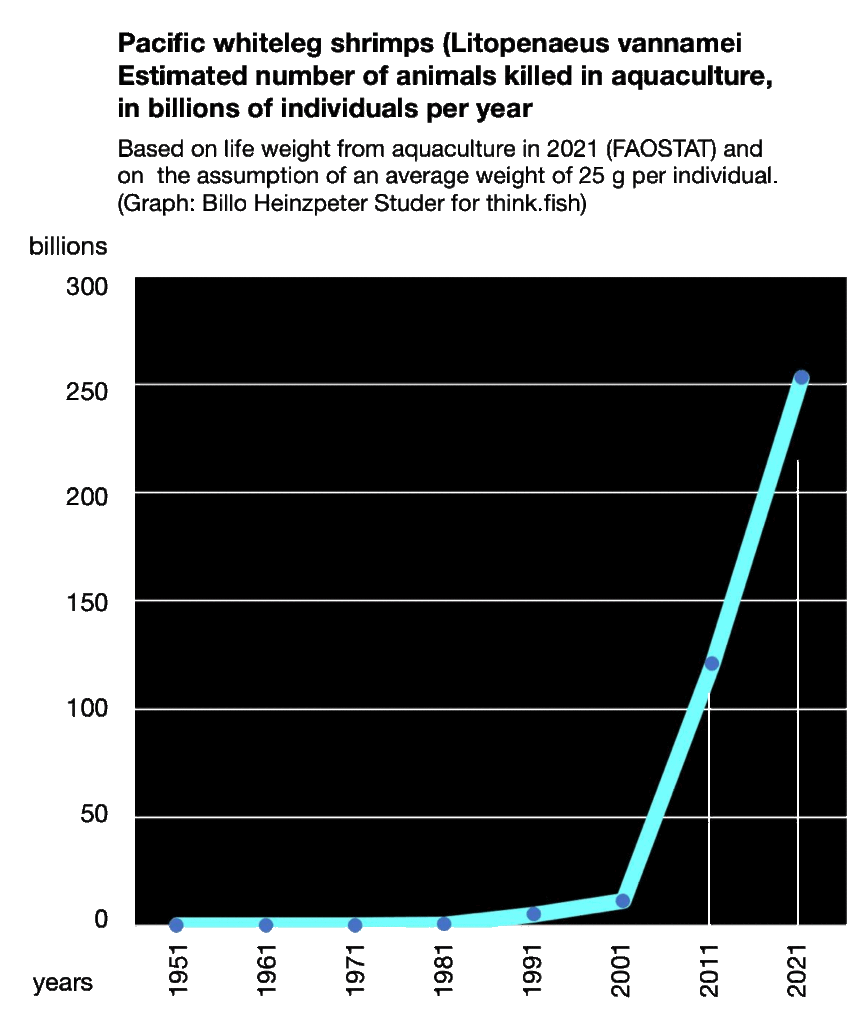
    There is a second good reason to ask: why shrimps? Let’s look at the most farmed crustacean species, L. vannamei, which is one of the species with the highest number of animals killed per year for human food [6]: In 2021, harvest was 6’324’549 tonnes of farmed and 24’043 tonnes of wild catch |7], which transforms in estimates of animals killed per year from over 100 billion to over 1200 billion animals, depending on the market size ranging from 5 to 57 grams per individual [8].

    Only the Peruvian anchoveta (Engraulis ringens) is affected in similar numbers, estimated between 139 and 555 billion animals killed per year [9]. However, there is a huge difference between the human impact on the two species: Anchovies are caught in the wild, i. e. they lived under their natural conditions, whereas shrimps are mainly farmed. In the case of L. vannamei only 4 percent of the live weight lifted annually are wild catch. This disproportion is far form being self-evident; farming of L. vannamei (and of shrimps in general) is a very recent phenomenon, as shown in the graph.

    To put it bluntly:

    • Do we really need research to improve details in the life of farmed shrimps when we know that no farming system will ever be able to cope with their natural needs?
    • And do we really need to eat very small animals, knowing that they have to be killed in enormous numbers to fill our plate?

    What can be done?

    1. You cannot directly influence the fact that many persons are craving for shrimps
    2. Instead, you could reconsider your own consumer behaviour.
    3. And you could bring up the issue when the opportunity arises and provide information of this kind.

    Sure, there are some shrimps farmers who really try hard to do the best, also for the animals, but they are few and will not be able to cover the high and ever growing demand for shrimps. Be happy when you found such a farmer and enjoy the delicatesse with due containment, maybe once a year.

    PS:
    Should you be a shrimp farmer or a shrimp vendor 
    and be convinced that you do verifiably better, please let us know, either by leaving your comment here or by writing a post in our group.
    think.fish is a place where more than just one side of the coin can be told. (Please check our rules first.)


    Title picture:
    Pacfic whiteleg shrimps Litopenaeus vannamei (Drawing by Kasia Jackowska)


    References:

    [1] Amaya Albalat et al (2022): Welfare in Farmed Decapod Crustaceans, With Particular Reference to Penaeus vannamei.

    [2] Sven Würtz et al (2023): Welfare of Decapod Crustaceans with Special Emphasis on Stress Physiology.

    [3] Sven Würtz: Wir brauchen Bewertungskriterien für das Tierwohl in der Krebstierzucht

    [4] https://fair-fish-database.net/db/21/farm/shortprofile/

    [5] https://fair-fish-database.net/db/21/farm/shortprofile/

    [6] Maybe with the exception of farmed insects, but then, insects are sentient as well, see e.g: Claudio Carere, Jennifer Mather (Eds., 2019): The Welfare of Invertebrate Animals

    [7] FAOSTAT https://www.fao.org/faostat/en/#home

    []8] Shrimp size chart

    [9] http://fishcount.org.uk


  • Attitudes towards animals can be changed — but how?

    Attitudes towards animals can be changed — but how?

    In his recent newsletter [1], Lewis Bollard, farm animal welfare programme officer at Open Philanthropy, makes a very interesting point. Starting with the question of why humans love some animals while disregarding or mistreating others, Lewis cites several studies that show an astonishingly small difference in the importance people place on the welfare of farm or companion animals — in world regions as diverse as North America, Latin America, Africa, Asia, Oceania, and Europe. In countries such as Sudan or Bangladesh, people even place slightly more importance on the welfare of farm animals.

    Animal welfare laws of most countries consider cruelty against animals a crime. And yet there are exceptions and loopholes for factory farming, where cruelty to so many animals is part of their everyday life, for more than a dozen animals per human being. Why? Lewis is not satisfied with popular theories about lacking knowledge on animals’ needs, the reduction of animal complexity to arbitrary tests, cultural habits, the anthropocentric preference of animals looking like human children, the limits of our moral circle, etc.

    We mostly don’t want to know—yet there’s hope

    Lewis argues that the abuse of animals happens when it is convenient, ’normally because there’s money to be made‘. But, he continues, ‚only a tiny fraction of people systematically abuse animals‘, because ‚factory farms and slaughterhouses employ far less than one percent of the world’s population‘. Thus, the question is: ‚Why do the rest of us allow, and pay them to abuse animals?‘ Because, Lewis argues, ‚most people have no idea how animals are treated‘, and consequently a ’survey finds that most (US-)Americans agree that the animal foods I purchase usually come from animals that are treated humanely‘. The main reason for it, Lewis says, is that ‚we mostly don’t want to know‘.

    Amidst the contradiction between the love of pets and the disregard for the fate of farm animals, however, Lewis also sees hope. Because, in contrast to most social movements, the movement for animal welfare does not have to persuade people, as most people are already against the mistreatment of animals. ‚Our task is to mobilise that support into corporate and legislative change”‘ Lewis concludes.

    Comment: What could be done

    It is true, cruelty towards animals is a no-go for most people. Then, why is it still so hard to translate this passive attitude into a massive shift in food production so far based on factory farming? What is the sticking point we still oversee, after all these campaigns against the industrial use of animals, after all these campaigns advocating better animal welfare or reducing the consumption of animal products?

    I think we can tell an overwhelming number of good and beautiful stories about the normal natural life of the animals we are used to using. Especially in the case of aquatic animals because still every second seafood plate comes from the wild and aquaculture history is still very young, so the way of how this animals live in nature is easy to tell, and thousands of unique stories can be told. Once we succeed in bringing natural life — including needs and behaviour — of food animals home to the eaters, they will more or less draw conclusions for their daily life by themselves.

    This positive approach has its parallel in a paradigm shift in animal welfare science, which has long focused on reducing pain and suffering and only recently began to study positive emotions in animals as well.


    Title picture
    Drawing by Kasia Jakowska


    Reference:
    [1] https://farmanimalwelfare.substack.com/p/we-love-animals-why-do-we-torture?


In order to be less dependent on social media, whose owners pursue their own private goals, think.fish posts will first appear on our own blog
Summaries with a link to our blog will be posted on Facebook, LinkedIn, Substack, Bluesky, Telegram, Mastodon, and Instagram.

Suche:

Übersetzen · Translate

Alle Themen · All topics:


Artikelarchiv · Articles by date